Submersible LED lights are increasingly popular for various underwater applications. They are often used for ponds, aquariums, and landscaping. However, many users wonder: how long do submersible LED lights last underwater? Understanding the longevity of these lights is crucial for effective planning and cost management.
Factors such as the light's build quality and usage significantly influence their lifespan. Typically, high-quality submersible LED lights can last several years. However, some lower-end models may fail much sooner. In real-world usage, users have reported mixed results. Some lights performed admirably, while others succumbed to water damage within months. This inconsistency can be frustrating.
Ultimately, the answer lies in careful selection and maintenance. Choosing reliable brands with good reviews can enhance the experience. Additionally, understanding the specific conditions in your setup can improve longevity. Regular checks and proper care will also extend the life of these lights, providing value and vibrant illumination for your underwater spaces.
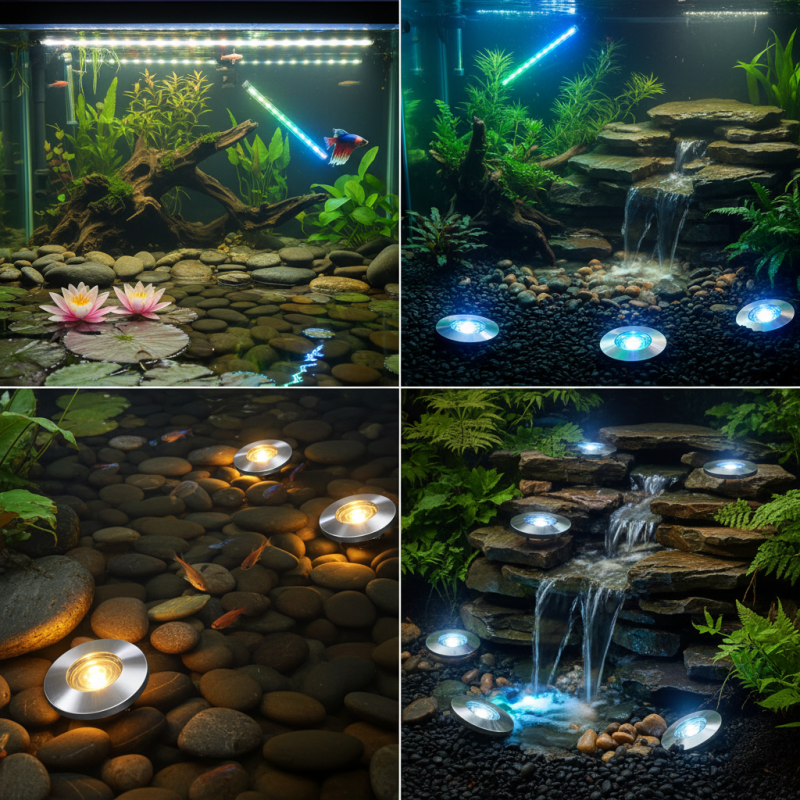
2026 Trends in Submersible LED Light Technology
Submersible LED lights have gained immense popularity in various applications, including outdoor events and aquatic installations. In 2026, trends in submersible LED technology will continue to evolve, with a focus on enhancing performance and energy efficiency. Industry reports indicate that the global LED lighting market could reach $120 billion by 2026, driven by advancements in submersible lighting technology. These developments highlight the growing demand for more sustainable and visually appealing lighting solutions.
Battery life is a critical consideration for submersible LED lights. New battery technologies are extending the operational life of these lights, with some models boasting up to 12 hours of continuous use. However, it’s important to note that real-world conditions, such as water temperature and usage frequency, can significantly impact performance. An independent study showed that submersible LEDs can lose light output over time, emphasizing the need for regular evaluations of lighting systems to ensure optimal functioning.
The integration of smart technology is another exciting trend in 2026. Submersible lights with remote controls or mobile app capabilities are making waves. This innovation allows users to customize brightness and color without manual adjustments. However, some consumers may struggle with technology integration, leading to potential usability issues. A balance must be struck between advanced features and user-friendliness to maximize the effectiveness of these lights in various settings.
Understanding the Lifespan of Submersible LED Lights
When considering the lifespan of submersible LED lights, it's essential to delve into the factors that influence their durability. The average lifespan often touted for these lights is around 25,000 hours. However, this can vary significantly based on usage. Frequent on-off cycles can reduce longevity. Also, harsher environments, such as saltwater, may impact performance and lifespan.
It's not just about how long they last but how well they perform over time. Over the years, some LED lights may dim or change color. Environmental factors can accelerate this decline. For instance, constant exposure to extreme temperatures can lead to failures. Regular checks and maintenance can help address these issues early.
Understanding the lifespan of submersible LED lights requires awareness of these nuances. Users should note that while these lights are generally robust, they are not impervious to wear. Monitoring their condition and being proactive about replacements can ensure optimal functionality. Investing in quality lights often pays off in the long run, both in performance and safety.
Factors Affecting the Longevity of Submersible LED Lights
The longevity of submersible LED lights is influenced by various factors. Water quality is one such key element. High levels of salinity, for example, can accelerate corrosion. Corrosive elements can deteriorate internal components. Also, the presence of chemicals in the water can lead to premature failure. A study from the Lighting Research Center indicates that harsh environments reduce the lifespan of LED products by up to 50%.
Thermal conditions also play a significant role. LED lights generate heat during operation. If the heat dissipation is inadequate, they could overheat and fail. Using heat sinks or ensuring proper ventilation can mitigate this risk. According to the Department of Energy, appropriate thermal management can enhance LED life by extending it to over 50,000 hours. However, many users overlook these details in their installations.
Finally, installation quality impacts durability. Poorly secured lights may experience stress from water movement or environmental conditions. This stress can lead to mechanical failures. Regular inspections can aid in identifying and addressing issues early. There is room for improvement in user awareness regarding these factors. Exploring them can help individuals make better choices for longer-lasting lighting solutions, impacting their overall satisfaction.
2026 Best Submersible LED Lights Longevity Factors
Comparative Analysis of Submersible LED Lights Durability
When examining the durability of submersible LED lights, various factors play a critical role. The materials used are essential. High-quality plastics and metals resist corrosion. Effective sealing mechanisms prevent water infiltration. Together, these features contribute to longevity.
Testing reveals significant variations in lifespan. Some models last for a few hundred hours, while others may exceed a thousand. Environmental impact should not be overlooked. Extreme temperatures and exposure to sunlight can shorten the lifespan of these lights. Regular maintenance helps improve durability.
Consumer feedback shows that not all lights perform equally. Some users report early failures after only a few uses. This inconsistency highlights the importance of thorough research before purchase. Reliability varies based on design and manufacturing quality. Understanding these nuances can aid in making informed decisions.
Tips for Maximizing the Life of Submersible LED Lights
Submersible LED lights are a fantastic choice for aquatic settings. However, their lifespan can vary greatly based on usage and care. Many experts agree that quality units can last up to 50,000 hours. However, poorly maintained lights may dim or malfunction much sooner. Regular checks are essential for ensuring optimal performance.
To maximize the lifespan of these lights, proper installation is key. Keep them submerged according to manufacturer specifications. Excessive heat or exposure to air can cause damage. Many users neglect to inspect the seals and connections, leading to failures. A 2022 report by the Lighting Research Center suggests that maintaining a stable temperature can also significantly prolong the lifespan of these LEDs.
Additionally, using timers can help prevent overheating. Lights that operate continuously may wear out faster. According to industry data, lights running for more than 10 hours daily may experience reduced life. Implementing break periods for these lights can yield better longevity. Thoughtful operation and maintenance can make a notable difference. These simple steps can help users enjoy brighter, longer-lasting lighting in their water features.
FAQS
: Water quality, thermal conditions, and installation quality are key factors that impact longevity.
High salinity and chemicals can cause corrosion and premature failure of internal components.
Inadequate heat dissipation can lead to overheating and failure of the lights.
Using heat sinks and ensuring proper ventilation can help manage heat effectively.
Properly secure lights and follow manufacturer specifications to avoid stress and mechanical failures.
Regular checks can identify problems early, improving overall durability and performance.
Timers help prevent overheating by allowing breaks in operation, reducing wear.
Many overlook inspection of seals and connections, which can lead to failures.
Yes, continuous operation beyond 10 hours daily can significantly shorten their life.
Movements in water can stress poorly secured lights, leading to mechanical failures.
Conclusion
The article "2026 Best Submersible LED Lights: How Long Do They Last?" explores the latest trends in submersible LED light technology, focusing on their longevity and durability under water. Understanding how long do submersible LED lights last underwater is crucial for consumers looking to enhance their aquatic spaces effectively. Various factors influence their lifespan, including quality of materials, build design, and environmental conditions such as water temperature and salinity.
Additionally, a comparative analysis highlights the durability of different submersible LED lights, providing insights into their performance over time. To optimize the life of these lights, the article offers practical tips such as proper installation, maintenance, and usage practices. By following these guidelines, users can ensure extended functionality and enjoyment from their submersible LED lights in underwater settings.

