When it comes to sleep quality, lighting is essential. Many people struggle with falling asleep in total darkness. In the quest for comfort, color night lights become popular tools. But what is the best color night light for sleep? Dr. Emily Sanders, a noted sleep specialist, emphasizes, “The right lighting can greatly enhance your sleep environment.”
Color night lights serve various purposes. Soft hues, like blue or amber, can promote relaxation. However, not all lights are created equal. Some may disrupt your natural circadian rhythm. A balance is key. You want a light that is calming but effective.
Finding the perfect night light is a personal journey. Individual preferences vary. Some may prefer warmer tones, while others might find cooler shades soothing. It's crucial to consider how different colors affect your mood and sleep. Trial and error may lead you to the best choice. Thus, understanding what is the best color night light for sleep can enhance your nights and improve overall well-being.
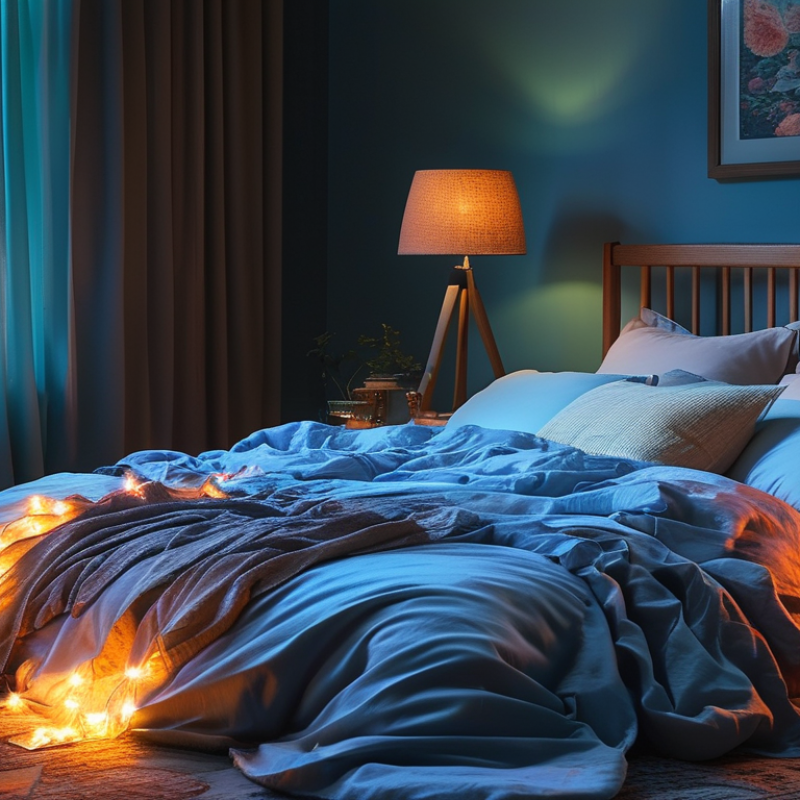
Choosing the right color night light for sleep involves several key features. One crucial aspect is the light's color spectrum. Different colors can influence mood and relaxation. For instance, warmer tones like soft yellow and orange can promote a calming environment. On the other hand, blue light may disrupt sleep. Opt for lights that allow you to adjust colors easily.
Brightness control is another essential feature. A dimmable night light can create a soothing atmosphere. Too much brightness can be jarring and affect the quality of sleep. Look for options that offer multiple brightness settings. This flexibility ensures that you find the right level for your comfort.
Tips: Consider a night light with a timer feature. It can help regulate usage and save energy. Also, think about the design. A light that blends well with your room decor can enhance relaxation. Lastly, be mindful of the light's material. A soft, non-glare surface can make a significant difference in comfort.
| Model | Color Options | Brightness Levels | Features | Price ($) |
|---|---|---|---|---|
| Model A | Red, Blue, Green, White | 3 Levels | Dimmable, Timer, Remote Control | 29.99 |
| Model B | White, Yellow, Pink | 5 Levels | Touch Control, Rechargeable | 34.99 |
| Model C | Blue, Red | 2 Levels | Motion Sensor, Energy Saving | 19.99 |
| Model D | White, Green, Blue | 4 Levels | Smart App Control, Sleep Mode | 39.99 |
| Model E | Multi-color | 10 Levels | Bluetooth Speaker, Color Changing | 49.99 |
| Model F | Red, Blue | 3 Levels | Voice Activated, Night Mode | 25.99 |
| Model G | Warm White, Soft Yellow | 1 Level | Auto Dim, Overheat Protection | 15.99 |
| Model H | Cool White, Diffused Color | 4 Levels | Sensor Activated, Customizable | 29.99 |
| Model I | Soft Glow | 2 Levels | Child Safe, Cordless | 21.99 |
| Model J | Rainbow | Unlimited | App Control, Scene Modes | 54.99 |
Color night lights are more than just a soft glow in your bedroom.
They can significantly enhance sleep quality by creating a calming atmosphere. The warm hues of night lights can help signal to your body that it’s time to relax.
This signal plays a critical role in psychological readiness for sleep. Night lights in shades of blue or green promote feelings of tranquility and can reduce anxiety.
Many people, however, overlook the potential downsides. Some find that too much light can disrupt their sleep cycles.
It’s essential to choose the right color and intensity. Dim lights can help avoid overstimulation, allowing for a more restful slumber.
Additionally, relying too heavily on night lights might create dependency, making it challenging to sleep in complete darkness.
Experimenting with different colors and brightness levels can lead to personal insights.
Everyone’s sleep needs are unique. What works for one person may not work for another. Understanding how color night lights affect your sleep can guide better nighttime routines.
In recent years, color night lights have gained traction for their calming effects on sleep. Many studies suggest that exposure to specific colors, especially warmer tones, can enhance relaxation and promote a better night's rest. Research published by the National Sleep Foundation indicates that nearly 60% of adults report sleep disturbances, highlighting the need for effective solutions like color night lights.
When selecting the ideal night light, consider brightness levels and color temperature. A study in the Journal of Sleep Research found that softer hues, particularly amber and orange, can help lower cortisol levels. This hormone often spikes during stressful times, disrupting sleep. Furthermore, the American Academy of Sleep Medicine notes that dim, colored lights are less likely to interfere with melatonin production, making them preferable for restful environments.
While many products claim to be “the best,” it's essential to recognize varying personal preferences. A night light perfect for one might not work for another. Exploring user reviews and testing various options can provide insight into what truly helps each individual. Ultimately, the goal is to create a soothing atmosphere, encouraging deeper and more restorative sleep.
When choosing color night lights for sleep, price and functionality are key factors. In 2026, market options have grown significantly. Prices vary widely, influenced by features, design, and brand reputation. Budget models may lack advanced functionalities, while premium models offer unique lighting options and smart technology.
Functionality can include features like adjustable brightness and color modes. Some lights simulate sunrise, aiding gradual waking. Others have timers or remote control capabilities, enhancing convenience. However, not all models deliver on promises. A light that looks appealing might fall short on performance. User reviews often reveal these discrepancies.
Investing in a quality product requires due diligence. Compare user feedback and professional reviews before making a purchase. Some lights may promise much but deliver little. Reflecting on your specific needs can help make the right choice. A light that suits one person's sleep environment may not work for another.
Choosing the right color night light can significantly improve sleep quality. Research shows that specific colors affect our mood and relaxation levels. For instance, blue light is known to promote calmness, while red light can stimulate melatonin production, helping users fall asleep faster. User feedback often highlights how these lights provide a comforting ambiance, especially in children's rooms.
Experts suggest that when selecting a night light, consider adjustable brightness settings. This feature allows you to customize the intensity based on personal preference or the time of night. Several studies indicate that softer, warmer colors provide a more soothing atmosphere, which many users appreciate.
The versatility of these lights also caters to individual tastes – some might prefer dynamic light shows, while others enjoy solid colors.
When making a choice, read user reviews carefully. They often reveal common issues, like durability or brightness too harsh for nighttime. Some lights may flicker or emit unwanted noises. Taking into account user experiences can prevent unwanted surprises later. Aim for lights that blend well with your decor while meeting your functional needs.
: Warmer tones like soft yellow and orange promote a calming atmosphere.
Too much brightness can disturb sleep. Dimmable lights are more soothing.
A timer helps regulate usage and saves energy.
A design that matches your decor can enhance relaxation in your space.
Different colors can influence emotions. Warmer hues typically promote relaxation.
Softer hues, like amber and orange, lower cortisol levels, which helps sleep.
Yes, dim, colored lights are less likely to interfere with melatonin.
Personal preferences vary widely, making some lights unsuitable for certain individuals.
A soft, non-glare surface enhances comfort and reduces eye strain.
Testing various options and reading user reviews can guide your decision.
In the quest for a good night's sleep, many are asking, "what is the best color night light for sleep?" This article outlines essential features to consider when choosing a color night light, such as brightness levels, color options, and timer settings. It explores the benefits of using these lights, including improved sleep quality and reduced anxiety, making them a popular choice for both adults and children.
The review section highlights the top 10 color night lights for sleep in 2026, comparing their functionalities and prices. User feedback and ratings provide valuable insights into the performance and satisfaction levels of these products, helping readers make informed decisions. Overall, this guide serves as a comprehensive resource for those looking to enhance their sleep environment with effective night lighting solutions.
