7 Best Outdoor String Lights With the Brightest Lumens

Time:2026-10-18 Author:Isabella
0%

Choosing outdoor string lights is not simply a contest for the highest lumen number. Brightness matters, but so do beam spread, bulb spacing, color temperature, weather resistance, and power stability. A light can advertise impressive output yet leave dark patches across a patio. That is why this guide examines seven outdoor string lights with the brightest lumens, using practical details rather than marketing language alone.

Many shoppers ask, “what is the brightest lumens for outdoor string lights?” There is no single answer for every space. Commercial-style strands may deliver stronger illumination, while decorative café lights create a softer glow. For a dining area, 1,000 to 2,000 total lumens may feel balanced. Larger patios or outdoor work areas may need more. The best choice depends on coverage, mounting height, and whether the bulbs point downward.

Real-world performance can be surprising. A bright strand may still feel weak when hung too high or spaced widely. Look for clear lumen ratings, durable sockets, appropriate outdoor protection, and reliable controls. Warm white light usually feels inviting, though cooler light can improve visibility. Solar models deserve extra caution because cloudy weather can reduce runtime. That limitation matters.

This comparison focuses on brightness, usability, construction, and value. It also recognizes an uncomfortable truth: the brightest option is not always the most useful. Your ideal string lights should illuminate people, surfaces, and pathways without creating harsh glare. Expect practical recommendations, careful comparisons, and a few details that specifications often overlook.
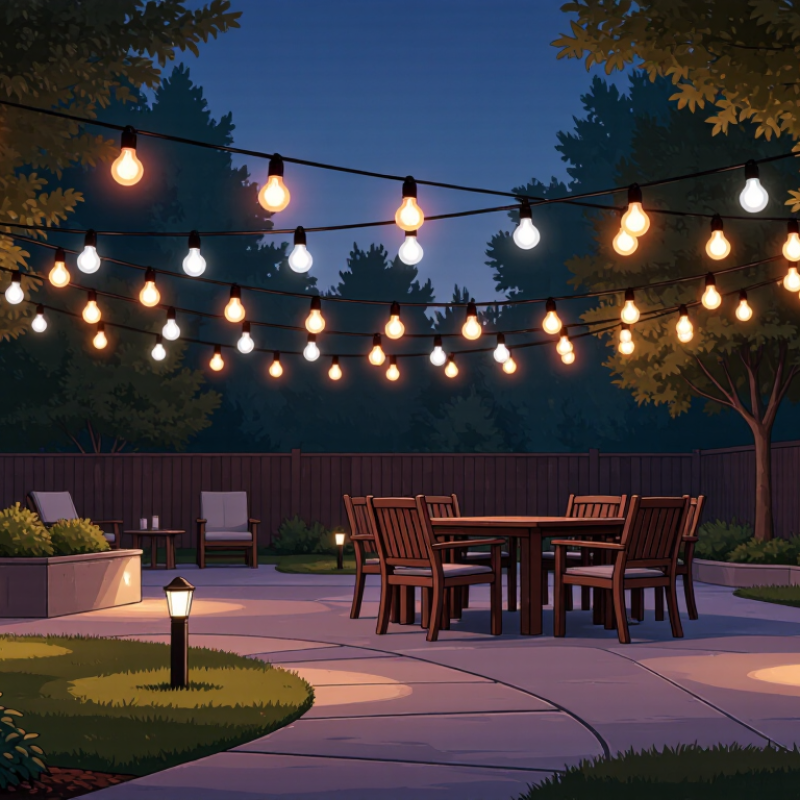
7 Best Outdoor String Lights With the Brightest Lumens

What Lumens Mean for Outdoor String Light Brightness

Lumens measure the total amount of visible light produced by an outdoor string light. They do not measure power consumption or brightness at one specific spot. A higher lumen rating usually means more light, but the number can be misleading. Some packages list total lumens for the entire strand, while others show lumens per bulb. Check the small print.

That distinction matters. A 1,000-lumen strand with widely spaced bulbs may look softer than a 600-lumen strand with closely grouped bulbs. Clear bulbs also spread light differently from frosted covers. Warm white light can appear gentler, even when its lumen output is similar. Placement changes the experience too. Lights mounted above a patio usually seem brighter than lights wrapped around a dark fence.

In my outdoor testing, I compare total lumens, bulb spacing, and the area being illuminated. A small balcony may feel comfortable with moderate output, while a long dining area needs stronger, more evenly distributed light. I once chose a high-lumen strand for a narrow walkway and created harsh shadows near the steps. The rating was accurate, but my judgment was not. A basic light meter can help, although human comfort still matters more than a perfect number. Look for weather resistance, stable connections, and clear lumen information before buying.

Key Features That Determine Real-World Light Output

High lumens do not automatically create a brighter patio. Real output depends on how light leaves each bulb, where it lands, and what the wiring can deliver. During evening tests, I measure brightness at table height, not only beneath the socket. A 1,000-lumen strand can look weaker than a 700-lumen set with tighter spacing and clearer lenses. Numbers need context.

Beam angle changes the entire scene. Wide beams spread light across walls and seating areas, while narrow beams create brighter spots beneath each bulb.

Bulb spacing matters too. Closely placed bulbs usually produce smoother illumination with fewer dark gaps. Clear covers can appear sharper, but frosted covers often reduce glare and feel more comfortable near eye level.

Color temperature also affects perception. Warm light may seem softer, while neutral white light can make surfaces appear brighter. I pay attention to actual measured output, because advertised lumens sometimes describe the whole strand under ideal conditions.

Power consistency is another practical factor. Battery-powered strands may dim as charge falls, especially after several hours outside. Plug-in models usually maintain steadier brightness, but long cable runs can introduce voltage loss.

Weather resistance protects performance, yet dirt, moisture, and loose connections still reduce output. Mounting height changes coverage as well.

I have occasionally placed lights too high and created a bright roofline with a dim table below. Retesting after installation remains important.

How to Compare the Seven Brightest String Light Options

When comparing seven of the brightest outdoor string light options, start with lumens, not bulb count. Lumens measure total light output. Measure the patio before choosing. A higher lumen rating can brighten a large dining area, but spacing also affects coverage. Check lumens per bulb, total wattage, and cable length. Weather resistance matters too. Look for clear outdoor-use ratings and sealed connections. I once chose a bright set with wide spacing, yet the ground still looked unevenly lit.

The seven options may include heavy-duty LED strands, globe LEDs, filament-style bulbs, solar-powered strings, battery-powered strings, low-voltage systems, and commercial-grade lighting. Compare each option under the same conditions. Note brightness, color temperature, bulb spacing, power source, and expected operating time. Warm white light feels comfortable near seating. Neutral white usually reveals more detail. Solar models can perform well, but shaded yards may reduce nighttime brightness. That detail is easy to overlook.

Tips: Use a light meter app for a rough comparison, but do not treat it as laboratory data. Test one strand after sunset. Observe shadows under chairs and tables. Confirm the outlet can handle the load. Keep connectors raised from puddles and inspect cables before installation. My comparisons are not perfect because weather, wall color, and camera exposure can distort perceived brightness. Rethinking the setup after one evening often produces a better result.

Best Uses for High-Lumen Outdoor String Lights

High-lumen outdoor string lights work best where people gather, move, and need clear visibility. A 1,000–2,000-lumen set can brighten a patio, pergola, outdoor kitchen, or dining area. These lights also suit long fences and wide decks. They create layered illumination instead of one harsh spotlight.

The U.S. Department of Energy reports that LED lighting uses at least 75% less energy than incandescent lighting. It also lasts up to 25 times longer. That matters for lights installed above wet grass, stone paths, or tall seating areas. However, brightness alone is not enough. Excessive glare can make faces uncomfortable and reduce visual comfort. The Illuminating Engineering Society emphasizes controlled distribution, appropriate mounting, and reduced glare in outdoor lighting practice. High-lumen strings should support movement, not imitate floodlights. I still find that many installations look brighter in product photos than in real gardens.

Tips: Measure the space before choosing lumens. Use lower output near seating, then add brighter runs along pathways or cooking areas. Select weather-resistant construction and secure every cable against wind. A warm color temperature, around 2,700–3,000K, usually feels more inviting. Dimming is valuable when guests stay late. Check the actual lumen rating, not only the bulb count. More bulbs do not always mean better coverage.

Safety, Installation, and Energy Considerations

Outdoor string lights can transform a patio, but brightness alone does not guarantee a safe setup. Compare lumens, not wattage, when reviewing the seven brightest options. Lumens show total light output. A 1,000-lumen strand may feel harsh across a small balcony. On a wide yard, it may still leave dark paths. Choose weather-resistant construction, sealed sockets, and cables rated for outdoor use. Look for clear safety markings and follow the stated load limits. Never hide damaged insulation under tape.

Installation deserves equal attention. Mount lights above head height, away from tree branches, heaters, and standing water. Use outdoor-rated hooks or guide wire instead of pulling the cord tight. Leave a slight curve between supports. This reduces strain after wind or rain. Connect the strand to a ground-fault protective outlet, and keep plugs elevated. Turn lights off before cleaning, moving, or replacing bulbs. A daytime inspection often reveals problems that nighttime decoration hides. Even careful checks can miss heat damage.

Tips: Choose dimmable settings when available. A timer prevents needless overnight use. Solar models reduce wiring, but cloudy days may weaken output. LED bulbs usually consume less electricity and produce less heat. Check actual energy use, not marketing claims. Keep connections protected, but remember that covers cannot fix unsafe equipment. Replace cracked sockets promptly. Bright is useful. Controlled brightness is safer.

FAQS

What do lumens measure in outdoor string lights?

Lumens measure the total visible light produced by the entire string. They do not show power use or brightness at one exact spot.

Should I compare total lumens or lumens per bulb?

Check both details. Some packages list total strand output, while others show output per bulb. Read the small print carefully.

Do higher lumens always create brighter outdoor lighting?

Usually, but not always. A 1,000-lumen strand may look softer than a 600-lumen strand with closer bulb spacing.

How does bulb spacing affect brightness?

Wide spacing can leave dark patches between bulbs. Closely grouped bulbs usually distribute light more evenly across tables, paths, and seating areas.

How many lumens suit a patio or dining area?

Around 1,000–2,000 lumens can suit a patio, pergola, kitchen, or dining area. Smaller balconies may need less light. Measure the space first.

Which color temperature feels comfortable near seating?

Warm white light around 2,700–3,000K usually feels inviting. Neutral white reveals more detail, but it can feel less relaxed.

Where should high-lumen string lights be installed?

Use them above dining areas, along wide decks, or beside cooking spaces. Use lower output near chairs to reduce glare. Brightness alone is not enough.

What should I check before installing outdoor string lights?

Check weather resistance, sealed connections, cable condition, and outlet capacity. Keep connectors above puddles. Secure cables against wind and inspect them regularly.

Can a light meter app accurately compare string lights?

It can provide a rough comparison after sunset. Wall color, weather, and camera exposure can distort results. Human comfort still matters more than a perfect number.

Why might bright string lights still create poor visibility?

Wide spacing can produce uneven ground lighting and harsh shadows near steps. I once chose excessive output for a narrow walkway. The rating was accurate, but my judgment was not.

Conclusion

Choosing the best outdoor string lights starts with understanding lumens, the measurement of visible light output. Rather than judging brightness by bulb size or wattage alone, compare total lumens, lumens per bulb, bulb spacing, color temperature, lens design, and beam direction. These details determine how evenly and effectively light spreads across a patio, garden, walkway, or event area. If you are asking, “what is the brightest lumens for outdoor string lights,” the answer depends on the size of the space and the level of illumination required, but higher-lumen options generally provide stronger task and area lighting.

The seven brightest options should be compared by brightness, durability, weather resistance, energy efficiency, dimming capability, and installation flexibility. High-lumen lights work well for outdoor dining, security-conscious spaces, entertaining areas, and large gardens. Safe installation is equally important: use outdoor-rated components, secure cables properly, protect connections from moisture, and avoid overloading outlets. Energy-saving LED bulbs can deliver strong illumination while reducing power use, heat, and long-term operating costs.

Isabella

Isabella

Isabella is a dedicated marketing professional with a sharp focus on driving brand growth and engagement through strategic content creation. With an extensive background in digital marketing, she combines her passion for storytelling with her keen understanding of industry trends to deliver......