Choosing underwater lighting in 2026 involves more than comparing brightness, colors, and prices. Buyers also need a realistic answer to the question: how long do submersible led lights last underwater? The LED chip may operate for 30,000 to 50,000 hours under suitable conditions. However, the complete light often fails earlier because of damaged seals, moisture, corrosion, overheating, or battery problems.
Real-world service life depends on the installation environment. A light used in a clean indoor pool faces different stress than one placed in a fountain, pond, aquarium, or saltwater display. Chlorine, salt, mineral deposits, temperature changes, and repeated handling can weaken connectors and waterproof housings. Even an IP68-rated product requires correct installation. The rating does not excuse poor cable joints or cracked covers.
Small details matter.
This guide compares expected lifespans, construction quality, power systems, and maintenance needs for the best submersible LED lights in 2026. It also explains how brightness, operating hours, water chemistry, and duty cycles affect long-term performance. In practical inspections, a cloudy lens or flickering output often signals trouble before total failure occurs. Replacing a worn gasket early may prevent water from reaching the circuit board.
Still, no lifespan estimate is guaranteed. Manufacturers sometimes publish optimistic figures based on controlled laboratory conditions. Actual results can be shorter, especially when lights run continuously or remain underwater year-round. A careful buyer should examine warranty terms, tested immersion ratings, cable quality, heat management, and replacement availability. The brightest option is not always the most dependable one.
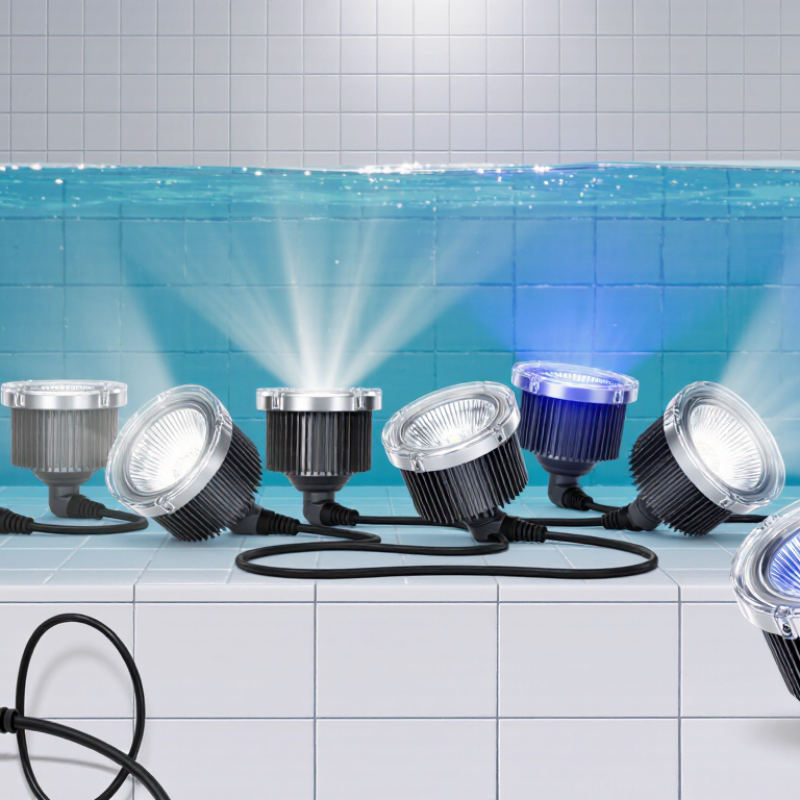
Submersible LED lights are sealed fixtures designed to operate underwater. They use light-emitting diodes, which convert electrical energy into light with little heat. A waterproof housing protects the circuit, while a sealed cable carries power from a suitable low-voltage driver. Some models produce white, blue, or changing colors.
Their performance depends on more than the LED itself. A properly rated fixture can illuminate a pool, fountain, pond, or aquarium with steady brightness. However, an IP68 rating does not mean unlimited depth or permanent immersion. Manufacturers define different testing conditions. Always check the stated depth, water temperature, and installation requirements.
In real use, quality LEDs may operate for 25,000 to 50,000 hours. That estimate can fall when heat, chemicals, corrosion, or poor sealing affects the fixture. I have found that cloudy lenses often appear before the diode fails. It is easy to blame the LED, but damaged seals may be the real problem. Regularly inspect cables, connectors, and lens surfaces. Use only the recommended power supply, and have underwater electrical connections installed by a qualified professional. A residual-current protection device adds another layer of safety, especially around pools and wet areas. Even the best light needs careful installation.
Submersible LED lights rarely fail because the LEDs suddenly stop working. Their practical lifespan depends on heat, water, seals, wiring, and operating time. A light rated for 50,000 hours may produce weaker brightness much earlier. That rating is not a promise. Sealed housings must transfer heat away from the LED board. Warm water makes cooling harder. Poor thermal design can accelerate lumen loss and damage internal components.
Water chemistry also affects durability. Chlorinated pools can weaken seals when chemical levels remain high. Saltwater may corrode metal parts, cable connections, and mounting hardware. Incorrect pH creates additional stress. Mineral deposits can cover the lens and reduce light output. Even a small crack can allow moisture inside. An IP68 rating indicates strong water protection, but depth and exposure limits still depend on the product’s tested conditions. Regularly inspect cable glands, lens edges, and nearby fasteners.
Stable voltage matters as well. Voltage spikes can shorten driver life, while undersized cables may create heat and uneven performance. Frequent switching can stress the control system, especially in poorly ventilated installations. Physical impacts, vibration, and ultraviolet exposure can also weaken the housing over time. A common mistake is trusting the hour rating without checking real operating conditions. The figure may measure LED brightness decline, not complete failure. For reliable maintenance, record installation dates, water conditions, and brightness changes during inspections. Small details are easy to miss.
Different submersible LED lights last for different reasons. The LED itself may work for 20,000 to 50,000 hours, but seals, batteries, and drivers often fail earlier. A sealed, wired pool light can provide five to ten years of service when installed correctly. Constant operation reduces that range.
Battery-powered submersible lights usually last one to three years. Their LEDs may remain bright, but repeated charging weakens the battery. Some units run only several hours per charge. Small decorative pond lights often reach two to five years, depending on water quality, sunlight, and winter storage. Solar models can last three to six years, although their panels and rechargeable batteries need more attention.
Aquarium lights face a different problem. Continuous moisture, algae, and frequent temperature changes can damage their seals. Many reliable models operate for three to seven years. Clean lenses matter. So does gentle handling during water changes. In my experience, advertised hours can sound impressive but hide real maintenance problems. A light used twelve hours daily reaches its rated hours much sooner than one used occasionally. I would inspect cable joints, cloudy covers, and flickering output every few months. These figures are practical estimates, not promises. Water chemistry and installation quality can change everything.
Submersible LED lights can last for years when installation and maintenance receive careful attention. Use the correct voltage and avoid connecting lights to overloaded power supplies. Excess voltage creates heat, which can damage internal components. Keep them cool. In ponds, pools, and fountains, place lights away from heaters and strong water jets. Follow the stated depth and water-resistance rating. A sealed light is not automatically suitable for every environment.
Inspect the cable, housing, and lens every few months. Look for cracks, cloudiness, loose fittings, or water trapped behind the lens. Small leaks matter. Turn the power off before cleaning, then remove algae with a soft cloth. Avoid abrasive pads and harsh chemicals, which can weaken seals. In saltwater, rinse the light with fresh water after use. Salt deposits can slowly corrode connectors and mounting hardware.
Storage also affects service life. Dry the light completely before storing it in a shaded, frost-free place. Do not coil the cable tightly, because repeated bending can damage its insulation. Replace worn seals instead of relying on tape or temporary fixes. Even careful owners miss early warning signs. A monthly inspection takes minutes, but neglect can make a small fault expensive. Keep a simple maintenance record with installation dates and observed changes. Manufacturer instructions still matter, especially for replacement parts and operating limits.
Submersible LED lights can last 30,000 to 50,000 hours under controlled conditions. Yet replacement timing depends on water quality, installation depth, heat, and electrical stability. Expected service life is not the same as useful life. A light may still turn on while producing weak or uneven illumination.
In a clean, well-maintained pool, a quality fixture may work for many years. Real water is less forgiving. Chlorine, salt, sediment, and temperature changes gradually attack seals and internal components.
Heat trapped behind the fixture can accelerate aging. I have seen lights fail early because moisture entered through a damaged cable or poorly fitted seal. The rated lifespan cannot predict every installation.
A submersible LED light should be replaced when brightness drops noticeably, even if it still operates. Look for a cloudy lens, dark sections, flickering, unusual color changes, or visible corrosion. Water inside the housing is a serious warning. A cracked cable also requires prompt attention.
Do not ignore repeated flickering. It may indicate internal failure or an unstable connection. For sealed units, replacing the complete fixture is often safer than attempting an improvised repair. Turn off power before inspection, and use a qualified electrician for fixed wiring.
The calculation is not perfect. Usage hours rarely match real conditions, and some lights fail much earlier than expected. Choose replacement based on performance, safety, and the condition of the surrounding equipment.
They may operate for 30,000 to 50,000 hours under controlled conditions. Real service life can be shorter. Heat, water chemistry, seals, and wiring change the result.
No. The rating often describes gradual brightness reduction, not complete failure. A light may remain on while producing weak or uneven illumination. That estimate can mislead.
Warm water makes heat removal more difficult. Trapped heat can reduce brightness and damage internal components. Heat matters.
Yes. High chlorine levels may weaken seals. Saltwater can corrode cables, metal parts, and mounting hardware. Incorrect pH adds further stress.
Look for dim lighting, dark sections, flickering, color changes, cloudy lenses, or visible corrosion. Water inside the housing is a serious warning. Do not ignore repeated flickering.
No. The rating reflects tested protection conditions. Depth, exposure time, water chemistry, and installation quality still matter. Inspect lens edges and cable glands regularly.
Yes. Voltage spikes may shorten driver life. Undersized cables can create heat and uneven performance. Frequent switching may also stress the control system.
Replacing the complete fixture is often safer when moisture enters or the housing cracks. Improvised repairs may leave hidden leaks. Turn off power before inspection, and use a qualified electrician for fixed wiring. My judgment could be imperfect, so inspect nearby equipment too.
Submersible LED lights are waterproof lighting devices designed to operate beneath the surface of water. They use low-energy LED chips protected by sealed housings, allowing them to illuminate pools, fountains, ponds, aquariums, and other wet environments. The answer to “how long do submersible led lights last underwater” depends on the light’s construction, operating temperature, water quality, sealing performance, power supply, and how frequently it is used. In general, well-made units can provide thousands of hours of illumination, but their practical service life may be shorter in harsh conditions.
Different types, including battery-powered, plug-in, and solar-powered models, have different expected lifespans. To extend their service life, users should choose the correct waterproof rating, install them properly, avoid overheating, clean away algae and mineral buildup, inspect cables and seals regularly, and replace batteries when necessary. Submersible LED lights should be replaced when they flicker repeatedly, become noticeably dim, show water inside the housing, suffer damaged insulation, or no longer operate reliably after maintenance.
