Changing a swimming pool light bulb is crucial for ensuring safety and visibility. Proper lighting enhances the ambiance of your swimming area, making it enjoyable during nighttime. However, how to change a swimming pool light bulb safely is often overlooked. Many pool owners may attempt this task without considering the risks involved.
Safety is paramount when working with electrical fixtures in wet environments. Understanding the steps involved can prevent accidents. You'll need to gather necessary tools and take precautions to protect yourself. Proper preparation can save you from potential mishaps.
Many people underestimate the complexity of changing a pool light bulb. A mistake can lead to electrical shocks or damage to the fixture. Reflecting on past experiences, it's clear that hesitation can lead to oversight. Being informed and cautious provides peace of mind. Let's explore how to safely approach this important task.
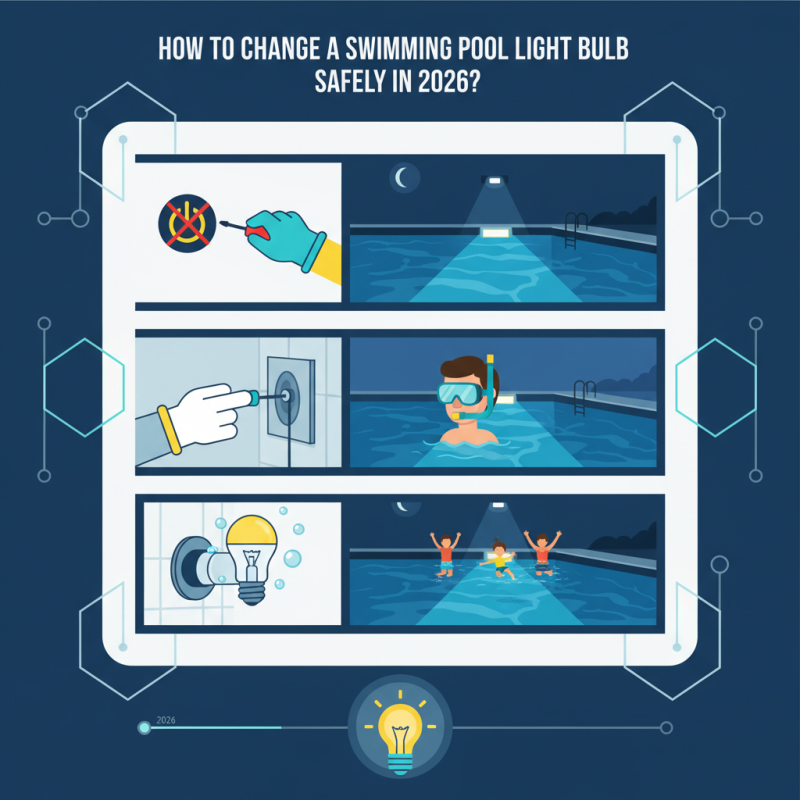
In 2026, swimming pool lighting technology is evolving rapidly. Different types of pool light bulbs are available, catering to various needs and preferences. LED, halogen, and incandescent bulbs are the primary choices. According to a recent industry report, LED bulbs dominate the market, accounting for over 70% of pool lighting installations. They offer energy efficiency, lasting up to 25,000 hours, compared to just 1,000 hours for incandescent options.
LED bulbs are particularly favored for their low heat emission. This is crucial for safety and longevity. Halogen bulbs, while providing warm light, tend to have a shorter lifespan and higher energy consumption. Surprisingly, despite their brightness, halogen lights only represent 10% of pool lighting setups. Many consumers still opt for them due to their lower initial cost.
It's important to consider the actual needs of your pool environment. A thorough understanding of bulb types guides the selection process. However, some pool owners overlook the importance of compatibility with existing fixtures. Mismatched bulbs can lead to inefficiencies or even safety hazards. Regular assessments of lighting systems are essential to maintain optimal performance. Therefore, being equipped with the right information is key to making informed choices.
When preparing to change a swimming pool light bulb, it’s crucial to gather the right tools and safety equipment. A secure workspace is essential. Start with a pair of rubber gloves. They provide electrical insulation and protect you from water exposure. Waterproof shoes can also keep you safe while standing near the pool.
You will also need a screwdriver to remove the light fixture. Make sure the screwdriver fits snugly in the screw heads. A voltage tester is another critical tool. It checks for any electrical current before you start working. This helps avoid shocks. Don't forget a sturdy ladder if the fixture is out of reach.
Always have a friend to assist you. Working alone increases risks, as you might forget to monitor the power supply. It's helpful to keep a flashlight handy, too, to inspect the light fixture closely. Remember, it's easy to overlook small details during this task. Take your time. Rushing can lead to mistakes or safety hazards. Find a balance between speed and thoroughness.
| Tool/Equipment | Purpose | Safety Considerations | Notes |
|---|---|---|---|
| Replacement Bulb | To replace the old bulb | Ensure it is suitable for underwater use | Check wattage compatibility |
| Screwdriver | To open the light fixture | Use insulated tools to avoid electric shock | Flathead or Phillips, depending on screws |
| Gloves | Protect hands while handling the bulb | Wear rubber gloves for electrical safety | Avoid touching bulb with bare hands |
| Safety Goggles | Protect eyes from debris | Always wear while working above water | Check for proper fit |
| Bucket/Container | To hold the old bulb and tools | Keep the workspace organized | Avoid dropping items |
When changing a swimming pool light bulb, safety is paramount. Start by turning off the power to the pool light at the circuit breaker. This measure prevents any accidental electrocution during the replacement. According to industry reports, electrocution risks associated with pool lighting are significant, affecting roughly 30% of pool owners each year. Protecting yourself starts with eliminating these hazards.
Next, drain the pool water to access the light fixture safely. Depending on your pool's size, this could mean removing several inches of water. Many pool professionals recommend that the water level is at least 12 inches below the light fixture. This depth typically offers enough access and minimizes any water-related risks. It's a common oversight among pool owners; many underestimate the importance of proper water levels when performing maintenance tasks.
While these steps seem straightforward, the reality is that improper preparation leads to accidents. Industry surveys indicate that around 20% of DIYers face difficulties due to lack of precautions. Reflect on your approach. Have you considered all the risks? Ensuring safety by following these practices can significantly enhance your maintenance experience while safeguarding your well-being.
Changing a swimming pool light bulb can be a daunting task. Safety should always be your top priority. When you decide to remove the old bulb, start by turning off the power. Safety goggles and gloves can protect you. Check the light fixture for any signs of damage. Look for cracks or corrosion. These can lead to electrical issues. A damaged fixture needs immediate attention.
After removing the bulb, inspect wires and connections. Loose or frayed wires are cause for concern. They may indicate deeper problems in the electrical system. If everything seems intact, clean the fixture. Dirt can accumulate and affect performance over time. Don’t rush this process. You want to ensure everything is in perfect working order.
If you notice any significant damage, consider consulting a professional. It might feel frustrating, but a qualified electrician can provide insight. They can help evaluate safety hazards you might overlook. It’s crucial to prioritize safety, especially around water. Every detail matters in this process.
Changing a swimming pool light bulb can be a straightforward task if done correctly. When installing the new bulb, ensure the power is turned off at the circuit breaker. According to the National Swimming Pool Foundation, over 50% of pool-related accidents happen due to electrical failures. Safety must come first.
Carefully handle the new bulb to prevent breakage. Gently screw the bulb into the socket. Make sure it's securely fastened, avoiding any cross-threading. After installation, restore power gradually. Listen for any unusual sounds; they could indicate a problem.
Tips: Always use a non-conductive tool to assist with installation. This minimizes the risk of electrical shock. Conduct regular inspections of all pool fixtures. Industry reports suggest that 30% of pool maintenance issues stem from faulty lighting systems. Keeping your pool lights in good condition enhances safety and enjoyment.
: The main types are LED, halogen, and incandescent bulbs. LED bulbs are the most popular.
LED bulbs offer energy efficiency and can last up to 25,000 hours, reducing replacement frequency.
Halogen bulbs usually last around 1,000 hours but are chosen for their warm light.
Compatibility with existing fixtures is crucial. Mismatched bulbs may create safety risks or inefficiencies.
Essential tools include rubber gloves, a screwdriver, a voltage tester, and a sturdy ladder for reach.
Turning off power prevents accidental electrocution, which is a significant risk for pool owners.
It's usually recommended to drain the water at least 12 inches below the light fixture for safe access.
Always wear waterproof shoes and consider having a friend help. This reduces risks during the task.
Yes, rushing may cause safety hazards. Take your time to ensure all steps are performed correctly.
Many forget to check water levels or overlook safety precautions, leading to difficulty or accidents.
In the article titled "How to Change a Swimming Pool Light Bulb Safely in 2026," readers are guided through a comprehensive process to ensure a safe and effective bulb replacement. First, it emphasizes the importance of understanding the various types of swimming pool light bulbs available in 2026, helping users choose the appropriate bulb for their needs. Next, it outlines the tools and safety equipment required for the task, ensuring that individuals are well-prepared before starting the process.
To successfully learn how to change a swimming pool light bulb safely, one must turn off the power and drain the pool water to provide safe access to the light fixture. The article details the steps for removing the old bulb and inspecting the fixture for any damage, which is crucial for maintaining the pool's electrical safety. Finally, it explains how to install the new bulb and restore power to the pool light system, ensuring that the lighting is functional and safe for use.
