How to Disable Motion Sensor on a Porch Light?

Time:2026-09-23 Author:Sophia
0%

A porch light should welcome visitors, not surprise you with sudden flashes. Many homeowners therefore search for how to disable motion sensor on a porch light when the fixture turns off too quickly, reacts to passing cars, or fails during cold weather. The solution depends on the light’s design. Some fixtures include a test, manual, or dusk-to-dawn setting. Others require a separate wall switch, a sensor adjustment, or a compatible replacement control.

Electrician and home-maintenance educator John Ward explains, “Treat the sensor as a control device, not as proof that the circuit is safe.” That principle matters. A small plastic housing may conceal live wiring behind the wall plate. Before touching anything, switch off the circuit breaker, confirm the light is dead, and check the manufacturer’s instructions. A non-contact tester can help, but it should not replace careful verification. Do not guess.

This guide will compare practical ways to stop motion activation without damaging the fixture. It will explain how manual override settings work, when a wall-switch sequence may help, and why some built-in sensors cannot be permanently bypassed. You will also see where bulb compatibility, weather seals, and local electrical requirements affect the result. Details matter. A loose cover can admit rain. An incorrect connection can create heat. I may overlook a fixture-specific quirk, because porch lights vary widely. When instructions conflict, the product manual and a qualified electrician should guide the final decision. The safest fix is not always the fastest one.
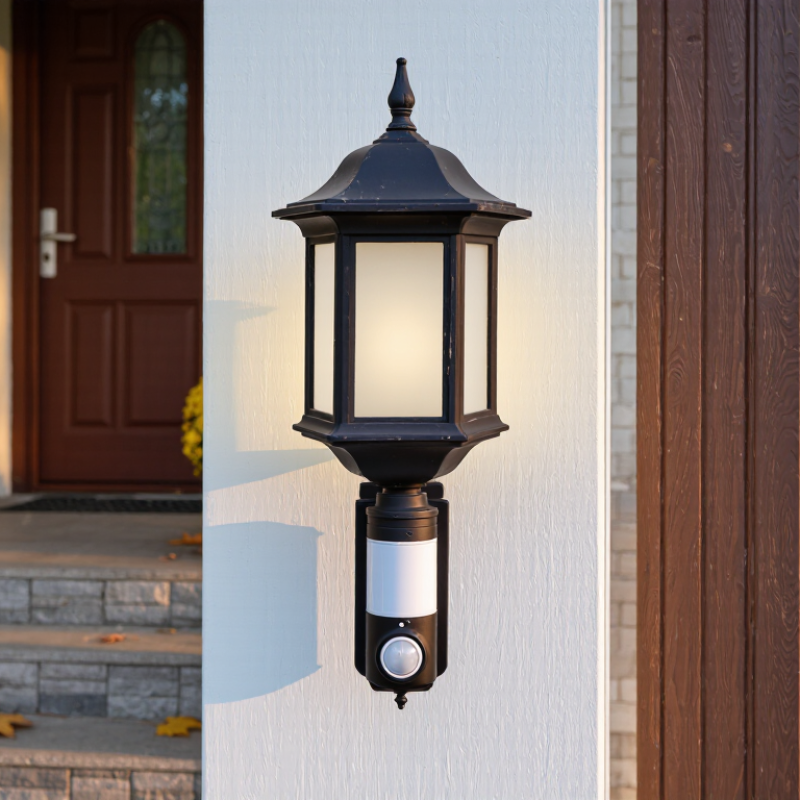
How to Disable Motion Sensor on a Porch Light?

Motion Sensor Basics and Common Porch Light Configurations

How to Disable Motion Sensor on a Porch Light?

Motion sensors detect changes in infrared heat, usually from people, pets, or passing vehicles. Most porch lights use three common configurations: a sensor built into the fixture, a separate wall-mounted sensor, or a manual wall switch. Check the housing for time, range, sensitivity, or test controls. Some fixtures offer an “on” or manual mode after switching power off and on in a specific sequence. Not every fixture has it.

The U.S. Department of Energy states that suitable occupancy controls can reduce lighting energy use by roughly 30–60%. That saving depends on room use, sensor placement, and user behavior. A porch light may behave differently because outdoor heat, wind, and headlights can trigger false activation. I have seen a low sensitivity setting work better than full deactivation. It is less convenient, but often safer.

For a permanent change, turn off the circuit breaker before opening any cover. Never rely only on the wall switch. If the fixture has separate sensor wiring, a qualified electrician should assess whether a compatible manual control can replace it. Do not remove wires by guesswork. The National Fire Protection Association reports that electrical distribution and lighting equipment contribute to thousands of U.S. home fires annually. My earlier assumption was simple: disabling the sensor always saves trouble. In practice, it can create unnecessary energy use and leave the entrance dark when the switch is forgotten.

Safety Checks Before Disabling a Porch Light Sensor

Disabling a porch-light motion sensor looks simple, but safe work starts before the cover comes off. Confirm the reason first: false triggers, poor detection, or a need for continuous light. Check the fixture label and installation instructions. Some sensors offer a test or manual-on mode. Others require rewiring. Never guess from wire color.

Turn off the correct circuit at the service panel, then verify the light is dead with a properly rated tester. A wall switch alone may not isolate every conductor. Keep your hands dry, avoid wet ladders, and use stable footing. NFPA’s Home Structure Fires report found electrical distribution and lighting equipment involved in about one-quarter of reported U.S. home fires during 2016–2020. That figure is a warning, not decoration. Loose terminals, damaged insulation, or water inside the box mean stop and call a qualified electrician.

Before bypassing the sensor permanently, check nighttime visibility, camera coverage, door access, and the fixture’s weather seal. Continuous lighting can improve visibility, yet it may waste energy and disturb neighbors. The U.S. Department of Energy reports that occupancy controls can reduce lighting energy use by roughly 20% to 60%, depending on the space and operating pattern. Savings at one porch may be modest. Still, test the light for one evening after any change. If it flickers, overheats, trips the breaker, or behaves unpredictably, switch power off again. The sensor may not be broken; moving branches could be triggering it.

How to Turn Off Motion Detection Using the Light Switch

To turn off motion detection with a porch-light switch, test the switch before opening anything. Keep the circuit powered, then switch it off for about two seconds. Turn it on, off, and on again quickly. Many motion lights enter a constant-on mode through this sequence. The lamp should remain lit, even when nobody crosses the sensor. Timing varies between fixtures. Check the installation guide if nothing changes.

A simpler method is leaving the wall switch on and covering the sensor temporarily. That is not ideal for permanent use. It can trap moisture, affect detection, or create unnecessary heat around the fixture.

Some installations use a dedicated motion-control switch, where pressing a small button disables detection while preserving manual lighting.

Never remove the cover plate while power remains connected. I once assumed a failed sensor caused constant lighting; the wall switch was actually in override mode.

The U.S. Department of Energy reports that occupancy controls can reduce lighting energy use by roughly 10% to 90%, depending on room use, settings, and equipment.

A porch usually saves less than an office because outdoor lighting may run through the night. Still, disabling detection can increase electricity use noticeably.

The Lawrence Berkeley National Laboratory also found that lighting-control savings depend heavily on commissioning and user behavior. That matters here. A switch override is convenient, but it can be forgotten for weeks.

Check the light after sunset, then inspect it again in daylight.

How to Disable Motion Detection with Built-In Light Controls

Many porch lights include motion controls behind a small cover or beneath the lamp housing. Check for a mode button, timer dial, sensitivity control, or manual override switch. Some fixtures offer “manual,” “test,” or “on-time” settings that keep the light active without motion detection. Others require a quick wall-switch sequence, such as turning power off and on twice. The exact sequence varies, so read the fixture’s instructions before changing it.

Turn off power at the breaker before opening any cover. This matters even when the light appears switched off. Set the motion sensitivity to its lowest position if no disable option exists. You may also find a sensor selector with “auto” and “manual” positions. Choose manual, then restore power and observe the light for several minutes. Small delays are normal.

I once assumed the lowest sensitivity setting disabled detection. It did not; it only reduced false triggers. That was a useful correction. Keep nearby windows, trees, and walkways in mind when testing. Avoid cutting wires or bypassing internal safety parts. If the light still reacts to movement, its built-in controller may not support permanent manual operation. A qualified electrician can confirm the control layout without guessing. The cover may be fragile. Handle it gently.

Testing the Porch Light and Restoring Sensor Operation

When disabling a porch light’s motion sensor, I treat testing as a separate electrical task. Turn off power at the breaker before opening any cover. Confirm the light is dead with a properly rated tester, not only the wall switch. Record the original sensor settings with a phone photo. This small step prevents guesswork when restoring operation. Check the manual if available, because wiring layouts and adjustment labels can differ.

After the sensor is bypassed or set to manual mode, test the light from the switch. It should turn on steadily without flickering, buzzing, or unusual heat. Leave it on for several minutes. Watch the housing and nearby connections from a safe distance. If the lamp trips the breaker, smells hot, or behaves erratically, stop and arrange qualified electrical service. I once assumed a dead sensor caused the fault; a loose connection was the real problem.

To restore sensor operation, remove power again and return the control to its recorded setting. Refit covers firmly, then restore power. Test at dusk, not bright midday, since the daylight control may block activation. Walk across the detection zone, then approach directly. Crosswise movement often gives a clearer response. Check the shutoff delay, sensitivity, and detection range. Wait through one full cycle. My first test was rushed, so I nearly changed a setting that was working. Small errors matter around outdoor wiring.

How to Disable Motion Sensor on a Porch Light?

This chart shows the expected porch-light state during a basic test. A value of 1 means the light should be on, while 0 means it should be off.

With the sensor enabled, the light should turn on when motion is detected and turn off after the selected time delay. When the sensor is disabled, motion should not trigger the light. After restoring the sensor, motion detection should operate normally again.

FAQS

How do porch-light motion sensors work?

They detect changes in infrared heat. People, pets, vehicles, wind, and headlights may trigger them.

Can a wall switch disable motion detection?

Sometimes. Turn the light off for about two seconds, then switch it off and on quickly. The fixture may enter constant-on mode. Timing varies.

How can I activate manual mode?

Look for “manual,” “test,” or “on-time” controls. Some fixtures use a sensor selector. Choose manual only if the instructions support it.

What should I do if no disable setting exists?

Set sensitivity to its lowest level. This reduces false triggers but may not disable detection completely. I once misunderstood this setting.

Is covering the sensor a good permanent solution?

No. Temporary covering can trap moisture, affect detection, or create heat near the fixture. It may also cause unreliable operation.

What safety step matters before opening the light housing?

Turn off the circuit breaker. Do not rely only on the wall switch. Never remove wires by guessing.

When should an electrician inspect the fixture?

Contact a qualified electrician when separate sensor wiring needs replacement or the control layout seems unclear. The cover may be fragile.

Can disabling motion detection increase electricity use?

Yes. A constant light may stay on all night. Forgetting the switch for weeks can erase expected savings.

How should I test a changed setting?

Check the light after sunset. Watch it for several minutes, then inspect it again during daylight. Nearby trees and windows can confuse testing.

Is keeping motion detection always inconvenient?

Not always. Lower sensitivity can prevent false activation while preserving automatic lighting. It is less convenient, but often safer.

Conclusion

Learning how to disable motion sensor on a porch light starts with understanding how the sensor and light are configured. Some porch lights use a wall switch to control sensor operation, while others include built-in controls, such as a timer, sensitivity setting, or manual override. Before making any changes, turn off power if you need to access wiring, keep the area dry, and confirm that disabling the sensor will not create a safety problem around entrances, steps, or walkways.

For a simple setup, switching the light off and on in a particular sequence may place it in manual lighting mode, allowing the lamp to remain on without motion detection. Other fixtures can be adjusted directly through their controls by selecting a continuous-light setting or reducing motion sensitivity. Afterward, test the porch light during both movement and inactivity to confirm the desired behavior. If the light does not respond correctly, restore the original switch position or sensor settings and check the fixture’s instructions.

Sophia

Sophia

Sophia is a dedicated marketing professional with an exceptional depth of knowledge about her company's products and services. With a keen understanding of market trends and customer needs, she crafts insightful blog posts that not only inform but also engage readers, enriching the company’s online......