Installing motion sensor lights around your home can significantly enhance security and convenience. According to a report from the National Crime Prevention Council, homes with outdoor lighting can deter criminal activity by up to 60%. Identifying where to place motion sensor lights around the house is crucial for maximizing their effectiveness.
Common focal points include entryways, garages, and pathways. These areas are often targeted by intruders. Proper placement ensures that motion sensors activate when someone approaches. Additionally, illuminating darker corners around the house can prevent accidents and improve safety for family members.
However, it’s essential to avoid overlighting, as this can create shadows or hot spots. Many homeowners struggle with the best positioning. Experimenting with different angles can lead to the best results. Remember, the ultimate goal is to create a balance between safety and ambiance. Properly placed motion sensor lights can provide peace of mind while enhancing your home's appeal.
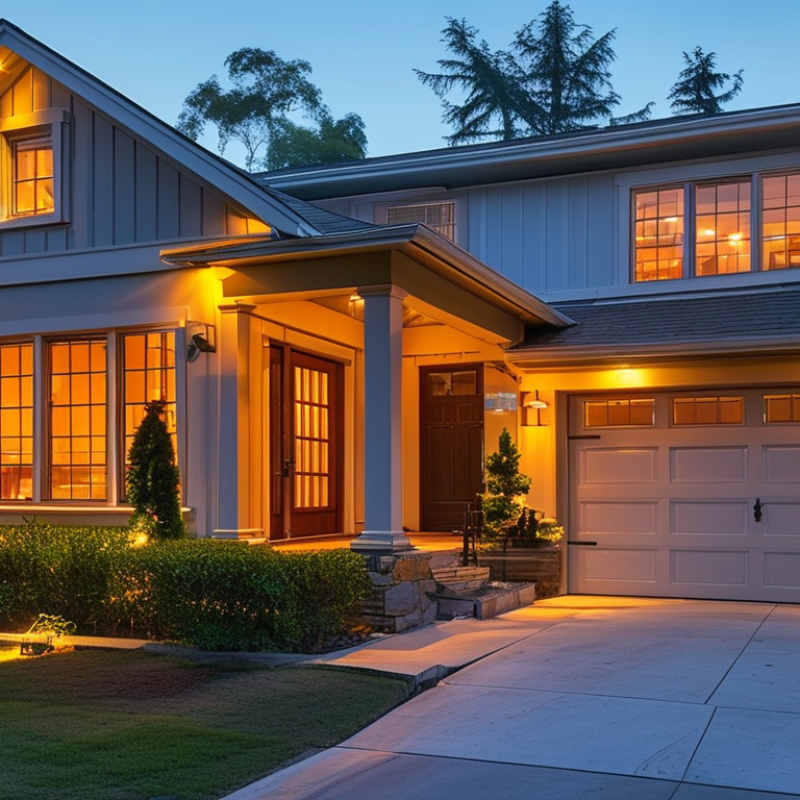
Motion sensor lights have become increasingly popular for enhancing home security and convenience. These lights activate when they detect movement, providing illumination only when needed. This feature not only saves energy but also prolongs the lifespan of the bulbs. Homeowners can choose settings for sensitivity and duration, allowing for customization based on specific needs.
Installing motion sensor lights around the house can deter intruders and illuminate pathways. They are effective in dimly lit areas, like driveways or backyards. However, they can sometimes trigger false alarms, such as from pets or passing cars. This may lead to frustration, and adjustments in placement or sensitivity are often necessary. A well-planned layout can maximize their effectiveness while minimizing those annoying instances.
While the benefits are clear, understanding their limitations is crucial. Placement is essential; too high and they won’t detect lower movements, too low and they can trigger unnecessarily. It's important to reflect on this balance. Choosing the right areas for installation can enhance safety, but it also requires some trial and error. Experimenting with different locations can lead to optimal performance and increased reliability over time.
Choosing the right location for motion sensor lights can enhance security and convenience. Ideal placements include entry points like doors and garages. Installing lights over patios or driveways improves visibility at night. These areas attract activity and benefit from added illumination.
Consider mounting lights at a height of 6 to 10 feet. This height allows for optimal detection without compromising privacy. However, placing lights too high might limit their effectiveness. Adjusting the sensitivity can also prevent false alarms from passing cars or trees swaying in the wind. Finding a balance is key.
Adjacent to walkways is another strategic position. Well-lit paths increase safety and deter intruders. Yet, excessive light can annoy neighbors and draw unwanted attention. Evaluate your surroundings and reflect on the possible disruptions. The goal is to illuminate effectively without overstepping boundaries.
| Location | Recommended Height (feet) | Detection Range (feet) | Ideal Angle (degrees) | Purpose |
|---|---|---|---|---|
| Front Porch | 8-10 | 30-50 | 120 | Security & Aesthetic |
| Garage Entrance | 8-10 | 20-40 | 100 | Safety & Convenience |
| Backyard | 10-12 | 40-60 | 180 | Security & Activity Lighting |
| Driveway | 8-10 | 30-50 | 90 | Safety & Visibility |
| Pathway | 6-8 | 20-30 | 60 | Guidance & Safety |
Installing motion sensor lights can enhance your home's security and energy efficiency. A well-placed sensor can illuminate dark areas, deterring potential intruders. According to the U.S. Department of Energy, lighting accounts for about 12% of the total energy use in a household. Thus, using energy-efficient options like LED motion sensor lights can help reduce this figure.
When choosing spots for your motion sensors, consider entrances, driveways, and blind spots around your property. These areas benefit the most from additional light and monitoring. Position your lights about 6 to 10 feet above the ground for optimal range. A study from the International Association of Certified Home Inspectors found that about 67% of burglaries occur in residential areas. Proper lighting decreases the chances of becoming a victim.
Tips: Test your lights regularly. Sometimes they may fail due to weather or wear. It’s also wise to check the sensor's angle to ensure it covers the desired area effectively. Adjusting the sensitivity settings is key, as too high can trigger false alarms from animals, while too low may miss crucial motion. A trial and error approach may be necessary to find the perfect fit for your environment.
Adjusting motion sensor settings is crucial for ensuring optimal performance. Many homeowners overlook this step. Simple adjustments can make a significant difference. Start by considering the sensitivity level. Too high may cause false alarms. Too low could miss crucial activity. Test the settings by walking in the sensor range. Observe how it responds. This helps you find the right balance.
Also, the placement of the sensor plays a vital role. Install it at a height of around 6-8 feet. Ensure it's directed toward potential entry points. Avoid obstacles that could block the detection zone. Trees, walls, or other structures may hinder effectiveness. A clear line of sight is essential for proper function.
Here are some tips for better motion detection:
- Keep the area well-lit at night, even with motion lights.
- Regularly clean the sensors to prevent dirt buildup.
- Test the coverage area periodically. Adjust if necessary for maximum security.
Small tweaks can enhance your home’s safety drastically. Sometimes, minor changes lead to better performance and peace of mind.
To ensure your motion sensor lights remain functional, regular maintenance is key. Start by inspecting the sensors for dirt and debris. A simple wipe with a soft cloth can help. If the sensor lens is dirty, it may not detect motion properly. It's crucial to keep these areas clean for optimal performance.
Check the positioning of your lights. Over time, physical changes in your environment can affect their effectiveness. Trees or shrubs might have grown, blocking the sensors. Adjust the angles or heights as needed. Also, keep an eye on the light bulbs. Burnt-out bulbs can render the system useless. Replace them promptly to maintain seamless operation.
Battery-operated motion sensor lights require special attention. Regularly check battery levels to avoid unexpected outages. Sometimes, users forget to replace batteries until it's too late. Moreover, the weather can take a toll on outdoor units. Check for any signs of rust or corrosion. These issues may require immediate action before they worsen.
: They enhance home security by illuminating areas when movement is detected.
They activate only when needed, reducing unnecessary lighting and extending bulb life.
Lights should be mounted 6 to 10 feet off the ground for optimal detection.
Yes, pets or passing cars can activate sensors, causing frustration for homeowners.
Adjust their placement and sensitivity settings based on your surroundings.
Ideal spots include entry points, driveways, and adjacent to walkways for safety.
Balance illumination levels to prevent excessive light that may draw attention.
Regular testing is needed to check for failures due to weather or wear.
It often requires trial and error to find the best placement and settings.
Too high may miss detection, while too low can cause unnecessary triggers.
When deciding where to place motion sensor lights around the house, it's essential to understand their features and benefits. These lights offer increased security, convenience, and energy efficiency, making them a valuable addition to any home. Choosing the right locations, such as entryways, garages, and backyards, enhances their effectiveness and ensures optimal coverage of vulnerable areas.
Once the locations have been determined, follow a comprehensive installation guide that includes selecting appropriate mounting heights and angles. After installation, adjusting the settings of the motion sensors helps maximize their performance based on the specific environment and the desired sensitivity. Regular maintenance is crucial to ensure that your motion sensor lights remain functional and reliable, keeping your home safe and well-lit.
