Understanding how do motion sensor lights work in the daytime is essential for effective home lighting. These devices primarily rely on detecting movement. However, their functionality can vary with different lighting conditions.
During daylight, many motion sensor lights behave differently. Some models use advanced technology to differentiate between light levels. They may activate only in low light, conserving energy when the sun is shining. Yet, not all motion sensors are created equal. Some may trigger due to changing shadows or moving clouds, sometimes causing frustration. Users need to consider these factors when selecting their motion sensor lights.
Regular maintenance and situational awareness also play a role in performance. Mud or debris may obstruct sensors, leading to inconsistent operation. Understanding these intricacies helps users maximize their benefits. Exploring how do motion sensor lights work in the daytime can reveal both advantages and limitations. This knowledge ensures better choices in illuminating our spaces.
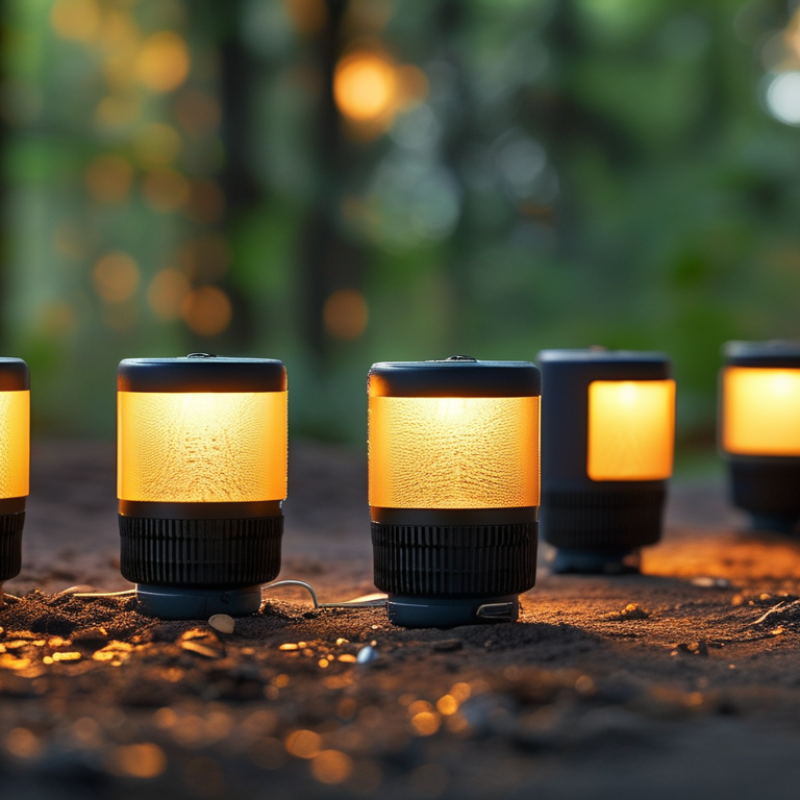
How Motion Sensor Lights Detect Daylight Conditions
Motion sensor lights utilize advanced technology to detect changes in light levels. During daylight hours, these sensors rely on photodetectors. A photodetector is a device that senses ambient light and adjusts the light’s operation accordingly. This allows the system to distinguish between day and night settings.
When it is bright outside, the sensor recognizes this light level. As a result, it prevents the light from activating unnecessarily. However, not all motion sensors are perfect. Some may trigger under bright conditions due to sudden shifts in light. For instance, passing clouds or shadows can occasionally confuse the system. In these moments, the reliability of the device can come into question.
Moreover, ambient light levels can vary in different environments. A well-lit backyard might not need additional illumination. But a dimly lit pathway can require consistent monitoring, even during the day. Thus, the efficiency of motion sensor lights really depends on their placement. Understanding this helps improve their functionality in specific settings. It's essential to assess the location before installation to prevent unwanted activation of these lights.
The Role of Photocells in Motion Sensor Lights
Photocells play a critical role in how motion sensor lights function during daylight hours. These small devices detect ambient light levels. They are essential for ensuring that lights operate only when necessary. When daylight is present, the photocell senses this brightness and prevents the light from turning on. This function saves energy and reduces unnecessary wear on the system.
The effectiveness of a photocell relies heavily on its placement. If it's positioned incorrectly, it may not detect light correctly. For instance, shadows or obstructions can lead to malfunctions. This could cause lights to activate when they shouldn’t. Such issues may appear minor but can lead to increased energy costs over time. Users often overlook these factors during installation, impacting the product's efficiency.
In addition, there is variability among photocells. Some may be more sensitive than others, affecting their performance. Users should be aware of the environment surrounding their lights. If nearby structures alter light exposure, results can vary. Adjustments may be necessary after installation. Understanding these elements contributes to a better experience with motion sensor lights.
Operational Mechanism of Motion Sensors During Daylight
Motion sensor lights are designed to enhance security and convenience. Their operation relies on detecting movement, but daylight presents unique challenges. During bright hours, many sensors struggle to differentiate between real motion and background activity. This can lead to frequent false triggers.
Sensors typically use passive infrared (PIR) technology. This system detects changes in heat across its field of view. With daylight, the surrounding temperature becomes less distinguishable from human body heat. Thus, the effectiveness of the sensor can diminish. Some models adjust their sensitivity based on ambient light, reducing false alarms during the day.
Adjustments can be tricky. Improper settings can lead to inadequate performance. For instance, if a sensor becomes too sensitive, it might activate on minor movements like leaves rustling. Conversely, if it's too conservative, it could miss crucial activity. Regular monitoring is essential for optimal performance and can enhance reliability. Balancing sensitivity while considering the daylight factor is vital for effective operation.
Operational Mechanism of Motion Sensors During Daylight Hours
Limitations of Motion Sensor Lights in Bright Environments
Motion sensor lights are designed to detect movement and provide illumination when needed. However, their effectiveness diminishes during daylight hours. In bright environments, these sensors can struggle to differentiate between natural light and the presence of motion. As a result, they may not activate as intended.
The sensitivity of motion sensors often relies on light levels. During the day, the sun's brightness can render sensors less responsive. This limitation may lead to missed detections, especially in well-lit areas. Users might find themselves frustrated when the lights fail to turn on as expected.
These challenges highlight the importance of placement and settings. Adjusting the sensitivity can help, but it may still require trials to find the optimal balance. Observing how the lights operate in varying conditions can reveal patterns. This reflection on limitations can lead to better usage of these systems, ensuring they remain reliable when needed most.
Ideal Usage Scenarios for Motion Sensor Lights During Daylight
Motion sensor lights can be surprisingly effective during daylight hours. While they are mainly designed for nighttime use, certain scenarios can benefit from these devices in bright conditions. For example, they can be employed in outdoor spaces, such as gardens or patios. Here, they can help save energy by providing illumination only when movement is detected, even in daylight.
Consider placing these lights near entrances or walkways. They will activate when someone approaches, enhancing safety. This is particularly useful in commercial spaces where visibility is crucial. However, false activations may occur due to animals or shifting shadows, which could lead to unnecessary lighting moments.
Another setting is in garages or storage areas. Motion sensors can illuminate dark corners when someone enters, ensuring better safety and convenience. During the day, they might still activate, but the duration of light can be adjusted. Maintaining the sensitivity of these sensors is vital to reduce unwanted triggers. Users might find themselves needing to recalibrate settings over time.
FAQS
: They use photodetectors that sense ambient light levels. This helps them identify day and night conditions effectively.
The sensor recognizes high light levels and prevents unnecessary activation. However, sudden light shifts can cause false triggers.
Yes, variations in light exposure due to surroundings can impact functionality. This is especially true near shadows or obstructions.
Photocells detect light levels and ensure lights operate only when needed. This feature helps save energy and reduce wear.
If positioned poorly, photocells may fail to detect light accurately. This could lead to unnecessary lighting and higher energy costs.
No, they can sometimes misinterpret shadows or animal movement, resulting in unwanted activation of lights.
Areas like gardens, entrances, and walkways are great. They enhance safety and save energy by lighting only when movement is detected.
Yes, they can illuminate dark areas when someone enters. However, sensitivity settings may need adjustments over time.
Proper placement can prevent unwanted activations. Evaluating the environment ensures lights function as intended.
Users may need to recalibrate settings based on changing conditions. It's crucial to maintain sensitivity for optimal performance.
Conclusion
Motion sensor lights are designed to operate efficiently in various lighting conditions, including daylight hours. Understanding how do motion sensor lights work in the daytime involves recognizing the function of photocells, which help these lights detect ambient light levels. Photocells automatically turn off the motion sensors during bright daylight to conserve energy, preventing unnecessary activation.
However, the operational mechanism of motion sensors can be limited in bright environments; they may struggle to detect motion effectively in the presence of strong sunlight. Therefore, ideal usage scenarios for motion sensor lights during daylight generally focus on partially shaded areas or less illuminated spaces where motion detection is still viable, ensuring the lights serve their intended purpose without being overly sensitive to surrounding brightness.

