Where Should You Place a Night Light in a Bathroom?

Time:2026-08-09 Author:Sienna
0%

When considering "where should a night light be placed in a bathroom," several factors come into play. The American Lighting Association emphasizes the importance of adequate lighting to prevent accidents in areas with high moisture levels. In bathrooms, falls account for over 230,000 injuries annually, according to the National Safety Council.

A well-placed night light can significantly reduce these risks. Night lights are beneficial for late-night trips to the bathroom, guiding your way without the harshness of overhead lighting. Installing lights near the toilet or along the pathway can enhance visibility. However, poor placement can lead to glare, which may cause more harm than good.

Research from the Illuminating Engineering Society highlights that ambient light should be soft and indirect. This approach not only improves safety but also creates a calming atmosphere. Yet, it's essential to reflect on personal preferences and the bathroom's layout. Each setting might pose unique challenges. Finding the right spot for your night light can make a notable difference in safety and comfort.
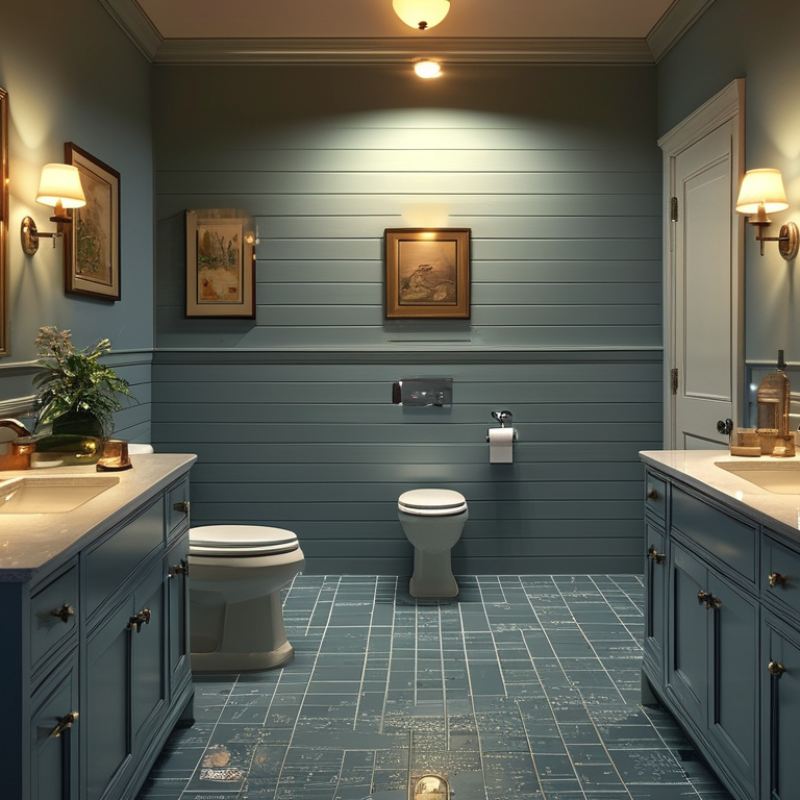
Where Should You Place a Night Light in a Bathroom?

Importance of Night Lights in Bathrooms

When it comes to bathroom safety, the placement of night lights is crucial. Statistics reveal that slips and falls account for over 60% of accidents in bathrooms. A night light can significantly reduce these incidents by illuminating the path during nighttime visits. Understanding where to place these lights is essential for maximizing their effectiveness.

An effective approach is to install night lights near the toilet and the shower area. This ensures visibility in critical zones. According to a survey by the Consumer Product Safety Commission, well-lit bathrooms can prevent nearly 30% of injury-related scenarios. Additionally, motion-sensor lights can improve safety by automatically turning on when someone enters the space.

Moreover, the ambiance created by night lights can have a calming effect. Many people find bright overhead lights too harsh during the night. Soft, warm light provides reassurance while minimizing disruption to sleep cycles. However, not all setups are perfect. Sometimes, the brightness may feel too dim or create shadows, which can be disorienting. This means regular adjustments and reassessment may be necessary to optimize safety and comfort.

Where Should You Place a Night Light in a Bathroom? - Importance of Night Lights in Bathrooms

Placement Location Importance Recommended Type of Night Light Safety Benefits
Near the Toilet Guides users during the night without full lights Motion Sensor Night Light Reduces risk of falls
By the Sink Helps in personal grooming tasks Wall-mounted Light Prevents mishaps with sharp objects
Inside the Shower Area Enhances visibility while bathing Waterproof Night Light Minimizes slip hazards
On the Bathroom Floor Provides a soft glow to guide movement Floor Night Light Protects against tripping

Ideal Locations for Night Lights in Bathrooms

When considering ideal locations for night lights in bathrooms, you should focus on safety and convenience. Placing night lights near the entryway can significantly reduce the risk of accidents. According to the National Safety Council, falls are a leading cause of injury in bathrooms. A properly illuminated path helps guide users safely, especially during night hours.

Additionally, consider positioning lights near the sink and toilet areas. These spots are frequently used at night. A survey from the American Lighting Association found that 73% of bathrooms with specialized lighting improve user comfort. Soft lighting around mirrors can also help prevent startling reflections.

Opt for motion-sensor night lights. These designs activate automatically, enhancing safety without needing to fumble for switches. Many users report feeling a heightened sense of security with these solutions. However, ensure the light isn't too harsh. Overly bright lighting can be disorienting in dark spaces. Thoughtfully placed dim lights can create a balance, lowering the chance of accidental bumps or slips during nighttime visits.

Where Should You Place a Night Light in a Bathroom?

Tips for Choosing the Right Night Light

When choosing a night light for your bathroom, consider several key factors. The right placement and type of night light can enhance your safety and comfort. According to a 2020 survey by the Lighting Research Center, appropriate lighting in bathrooms can significantly reduce the risk of accidents, particularly during nighttime use.

Tips for choosing the right night light: select a model with an adjustable brightness setting. This feature provides flexibility for different needs, whether you're getting up for a drink or needing it for grooming. Furthermore, consider motion-sensor lights. They can turn on automatically, allowing you to move safely without fumbling for a switch.

It's essential to think about color temperature as well. Warm light tends to create a soothing ambiance, which is crucial for a space where relaxation and safety are priorities. However, cold light can enhance visibility but may feel harsh in the dark. Pay attention to the position of your night light. High placement on a wall or near the floor can prevent glare and reduce the likelihood of accidents. Be mindful that inadequate placement might lead to shadows that could cause trips or falls.

Considerations for Bathroom Night Light Installation

When installing a night light in the bathroom, placement is critical. Consider placing it near the floor. Low placement can help you avoid bright overhead lights when you wake up at night. This positioning reduces the risk of accidents, especially on slippery tiles.

Another option is to install the night light closer to the toilet. It provides just enough illumination for safe navigation without overwhelming brightness. Avoid positioning lights near mirrors, as they can create glare. A soft glow is more inviting and less harsh on your eyes.

Think about the style and design of your bathroom. A stylish night light can enhance the decor. Experiment with different locations to find the perfect balance between aesthetics and functionality. It's essential to observe how often you use the light and if its placement meets your needs. These simple choices can make nighttime visits safer and more comfortable.

Safety Precautions for Using Night Lights in Bathrooms

When placing a night light in a bathroom, safety is a top priority. Wet environments can present risks. Choose night lights designed for moisture-prone areas. Waterproof models are essential to prevent short circuits. Avoid placing them near water sources, such as sinks or showers. High humidity can damage traditional night lights, leading to potential hazards.

Consider the height of the night light. Position it at a level that reduces glare and direct exposure to eyes. This ensures that it provides illumination without being distracting. Installing night lights on walls or outlets away from water is also wise. Utilizing LED night lights can further enhance safety, as they remain cool to the touch.

Monitor the condition of your night lights regularly. Look for signs of wear or damage. If a light flickers, it may indicate an electrical problem. It’s crucial to replace faulty night lights promptly. Ongoing checks contribute to an overall safer bathroom environment, promoting peace of mind for all users.

FAQS

: What is the best placement for night lights in bathrooms?

: Near the entryway, sink, and toilet areas. This helps reduce accidents.

Why is lighting important in bathrooms?

Proper lighting enhances safety and comfort, especially at night.

How can motion-sensor night lights improve safety?

They turn on automatically, allowing safe navigation without fumbling for switches.

What brightness level is recommended for bathroom night lights?

Dim lights are best. They prevent disorientation and accidental bumps.

Which color temperature should I choose for my night light?

Warm light is soothing, while cold light enhances visibility but may feel harsh.

How can night light placement affect safety?

Low placement near the floor reduces glare and helps avoid falls on slippery tiles.

Should I consider the style of the night light?

Yes, a stylish design can enhance your bathroom’s decor.

What common mistakes should I avoid when installing night lights?

Avoid placing lights near mirrors to prevent glare. Ensure proper positioning to avoid shadows.

Can I adjust brightness settings on night lights?

Look for models with adjustable brightness. It provides flexibility for varying needs.

How often should I check if my night light placement is effective?

Regularly observe its use. Adjust if it doesn't meet your safety and comfort needs.

Conclusion

When considering where should a night light be placed in a bathroom, it's essential to recognize the importance of these lights for safety and convenience during nighttime visits. Ideal locations include near the entrance, at floor level to illuminate the path, and close to key fixtures like the sink or toilet, ensuring minimal disruption and maximum visibility.

When choosing the right night light, factors such as brightness, color temperature, and energy efficiency should be taken into account. Additionally, proper installation is crucial—making sure the night light is safely secured and not exposed to moisture. Safety precautions, such as using moisture-resistant lights and ensuring cords are out of the way, will further enhance usability and safety in the bathroom environment.

Sienna

Sienna

Sienna is a skilled marketing professional with a deep expertise in our company’s core products and services. With a passion for innovation and detail, she plays a pivotal role in crafting insightful blog posts that not only highlight the unique features of our offerings but also provide valuable......