As winter approaches, many homeowners wonder, "can you leave solar string lights out in the winter?" According to expert John Smith, who has over 15 years of experience in outdoor lighting design, “While solar string lights are built to withstand outdoor conditions, winter can bring unique challenges.”
During colder months, snow, ice, and harsh winds can damage solar panels and wiring. Leaving them exposed may lead to a decrease in efficiency. Smith emphasizes the importance of proper care: "Protecting your lights helps extend their lifespan." Ensuring that solar string lights remain functional all year round requires attention to detail.
In regions with severe winters, it might be wise to bring the lights inside. This not only safeguards them from frost but also maintains optimal performance when spring returns. While they are often advertised as weather-resistant, constant exposure could lead to disappointment when spring arrives. Reflecting on these points will help homeowners make informed decisions about their festive lighting displays.
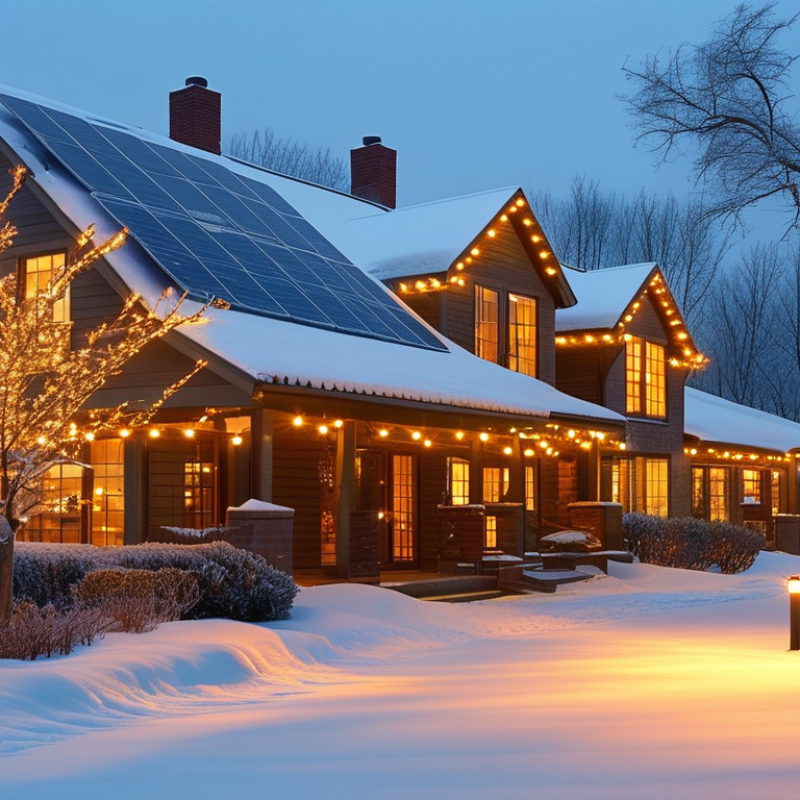
Choosing the right location for your solar string lights in winter is essential. Look for areas that receive ample sunlight during the day. South-facing spots often work best, as they capture maximum sunlight. This helps the solar panels charge effectively. Avoid shaded areas from trees or buildings, which can hinder performance.
Consider how winter weather impacts your lights. Areas exposed to harsh winds or heavy snow can damage the lights. It's wise to avoid hanging them directly under eaves or places where they may collect snow. Instead, mount them on stable surfaces that provide protection yet allow sunlight access.
Remember to ensure that the location reflects your decorating intentions. Placement can create lovely ambient lighting. However, if not carefully positioned, it can lead to dull, underwhelming results. Test the setup in a few locations before finalizing. A little experimentation can lead to finding a perfect spot that enhances visibility while protecting your lights.
| Location | Protection Method | Advantages |
|---|---|---|
| Under Eaves | Install the lights under the eaves of your roof. | Protects from direct snowfall and ice. |
| On a Pergola | Hang lights on a pergola roof. | Adds decorative charm while providing cover. |
| In a Covered Porch | Place lights in a sheltered porch area. | Protection from wind and precipitation. |
| Garden Shed | Store lights in a garden shed during extreme weather. | Prevents damage from ice and freezing temperatures. |
| Fencing | Wrap lights around fencing. | Enhances visibility while shielding from snow. |
: Look for areas with ample sunlight during the day, preferably south-facing spots. Avoid shaded areas to ensure proper charging.
Harsh winds and heavy snow can damage the lights. Avoid placing them under eaves where snow may collect.
Yes, using weather-resistant covers protects your lights from snow, ice, and rain, extending their lifespan.
Choose covers made from durable, UV-resistant materials. This helps prevent condensation and ensures reliability.
Regular inspections are important. Look for visible damage to covers that could expose the lights to the elements.
Good placement creates ambient lighting. Poor placement can lead to dull results or diminished visibility.
Stable surfaces that offer protection while allowing sunlight access are ideal for mounting to safeguard your lights.
Experiment with different locations and setups. A little trial and error can lead to an optimal arrangement.
Steer clear of non-breathable materials. They can trap moisture, potentially harming the lights inside.
Yes, without covers, your lights may suffer damage from snow or rain, requiring replacements or repairs sooner than expected.
As winter approaches, it is essential to consider how to best protect solar string lights from harsh weather conditions. One of the first steps is selecting the right location for your lights, ideally placing them where they will receive adequate sunlight even during shorter winter days. Additionally, preparing the lights for seasonal storage is crucial; disconnecting and storing them in a dry place can extend their lifespan.
When it comes to outdoor stay, many wonder, "can you leave solar string lights out in the winter?" While it's often possible, precautions should be taken to safeguard the panels from snow and ice accumulation, which may affect their performance. Regularly inspecting the connections and using weather-resistant covers can provide added protection, ensuring your solar string lights remain functional and beautiful throughout the season.

