When it comes to decorative lighting, understanding how to connect multiple string lights together safely is essential. According to lighting expert Mark Turner, "Safety should always come first when using string lights." This principle applies not only to aesthetics but also to preventing electrical hazards.
String lights can create a magical atmosphere, yet improper connections can lead to serious risks. Overloaded circuits, short circuits, and fire hazards are all potential problems when lights are connected without care. It is crucial to choose the right products and follow guidelines for maximum safety.
Start by inspecting the cords for damage. Always use lights rated for outdoor use if intended for exterior decor. It's important to remember that even a small oversight can result in issues later. Light sets should match in voltage and wattage to avoid overloading any single line. Connecting multiple sets can enhance your space beautifully, but doing it incorrectly can taint that charm with danger. Prioritizing safe connections not only protects your home but ensures peace of mind while enjoying your illumination.
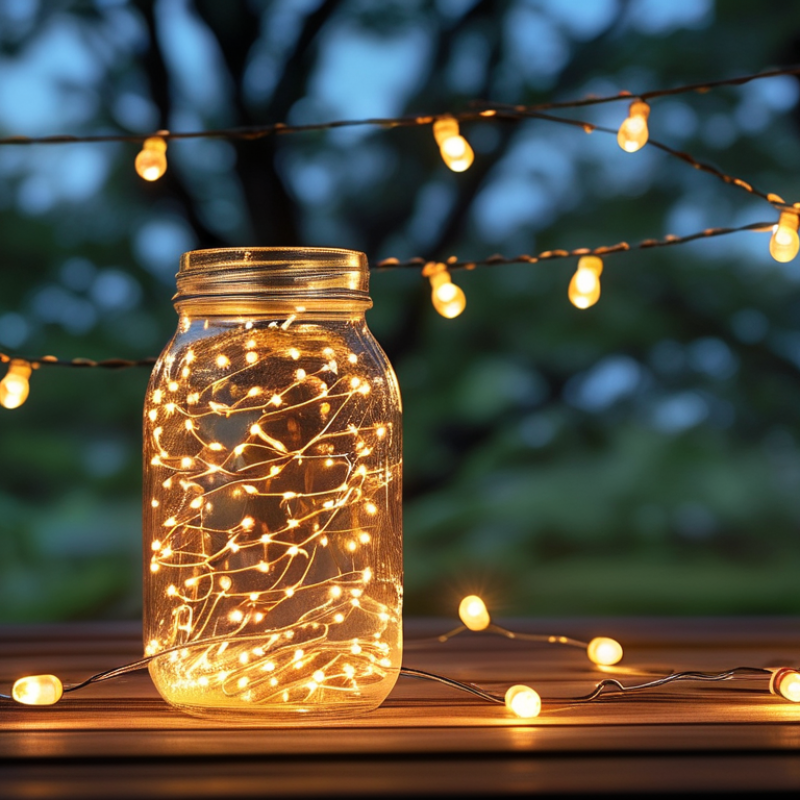
Choosing the Right Type of String Lights for Safe Connections
Choosing the right type of string lights is crucial for safe connections. According to industry reports, improper connections account for nearly 30% of electrical accidents related to outdoor lighting. This highlights the importance of selecting lights designed for outdoor use, which typically feature sturdier insulation and waterproof materials. Look for models rated for wet locations to ensure they can withstand various weather elements.
Energy-efficient options, like LED string lights, are ideal for safety. They generate less heat, reducing fire risks. A study by the National Fire Protection Association shows that LED lights have contributed to a decrease in fire incidents by up to 40%. When connecting multiple strands, it is essential to note the maximum wattage limits indicated on the packaging. Overloading can lead to short circuits, endangering your home.
Uncertainties can arise with DIY connections, as not all products are compatible. Inspecting cords for frays or damage is vital before each use. Many users overlook this simple step, which can lead to accidents. Inability to identify poor-quality lights can compromise safety. Always opt for lights with clear labeling and certification marks, ensuring they meet safety standards.
Understanding Power Ratings and Maximum Load Capacity
When connecting string lights, understanding power ratings and maximum load capacity is essential. Each strand of lights has a specific wattage rating, usually listed on the packaging. For instance, standard string lights can range from 5 to 100 watts. Overloading your circuit can lead to blown fuses or worse, fire hazards.
To ensure safety, calculate the total wattage of all connected strands. An average household outlet can support around 1,800 watts. However, it's crucial to consider the combined load of all devices connected to the same circuit. Ideally, keep the total wattage of your string lights below 80% of your outlet's maximum capacity, which translates to about 1,440 watts for an 1,800-watt outlet.
Using light strings wisely is also vital. While connecting multiple strands is tempting for larger displays, remember that not all lights are designed for this. Many reports suggest users consider the manufacturer’s guidelines for maximum connections. Sometimes, it’s easy to overlook these details in an eagerness to create a stunning light display. Striking a balance between aesthetics and safety is necessary for an enjoyable experience.
Using Proper Connectors and Plug Types for String Lights
When it comes to connecting string lights, using the right connectors and plug types is crucial for safety. A recent report from the Electrical Safety Foundation International (ESFI) indicates that nearly 30% of home decoration fires involve lighting. Proper connectors help to mitigate this risk. They ensure that the electrical load is correctly distributed, which can prevent overheating and potential hazards.
Choosing the correct connector type is essential. Look for connectors that are rated for outdoor use if you'll be using them outside. A statistics report from the National Fire Protection Association (NFPA) found that improper installation and unsuitable connectors contributed to 40% of lighting-related incidents. Pay close attention to the amperage ratings of the connectors and ensure they match the string lights you are using. Mismatched ratings can lead to serious issues.
Plug types also matter greatly. Three-prong plugs offer better grounding and stability compared to two-prong alternatives. Be cautious with extensions as well. The ESFI advises against daisy-chaining multiple extension cords, which is a common mistake. Always inspect connections for signs of wear or fraying. Reflecting on these details can lead to safer holiday lighting experiences.
Following Manufacturer Guidelines for Safe Installation
When stringing lights, safety should always come first. Following the manufacturer’s guidelines is crucial for a successful installation. Most guidelines specify maximum lengths for connecting multiple strands. Ignoring these limits can lead to overheating and potentially dangerous situations. Always check the voltage and wattage ratings of your lights before connecting them.
Placement matters too. Ensure that the lights are suitable for their intended environment. If using them outdoors, select weather-resistant options. Protect connections from moisture and other environmental factors. Use appropriate clips or fasteners to secure the lights and prevent sagging. A strand that hangs loosely can create a tripping hazard.
Mistakes can happen, especially when rushing the setup. It’s easy to assume all strands can connect. Yet, subtle differences in design may exist. This can lead to unexpected failures. Taking your time to read the instructions can prevent issues later on. If you see any damaged wires, replace the entire set rather than risk your safety. Always prioritize a thorough and reflective approach to installation.
Ensuring Outdoor and Indoor Safety Precautions with String Lights
When using string lights indoors or outdoors, safety is paramount.
According to the National Fire Protection Association, electrical malfunctions were responsible for about
47% of home fires associated with decorative lights. Choosing the right string lights can lessen risks. Look for lights that have been tested for safety, especially if you plan to use them outside. It's crucial to follow the manufacturer's guidelines for the maximum number of strings that can be safely linked.
For outdoor use, ensure your lights are rated for wet conditions. The American Lighting Association suggests using weather-resistant connectors, which minimize exposure to rain and humidity.
Always check for frayed wires or broken bulbs before setting up. Even a small damage can pose a serious risk.
Also, avoid overloading circuits. The U.S. Consumer Product Safety Commission recommends not exceeding the recommended wattage for your outlets. Uneven distribution of power can lead to overheating. Mark changes, such as needing more lights or taking down old ones during inspections. Simple actions can prevent fires and ensure safety.
FAQS
: The wattage rating tells you the energy consumption of the lights. It usually ranges from 5 to 100 watts.
Overloading can cause blown fuses or even lead to fires. Always check the total wattage of connected strands.
Keep the total wattage below 80% of your outlet's maximum capacity, around 1,440 watts for a typical household outlet.
They help distribute electrical load and can prevent overheating. Incorrect connectors are a key risk factor for lighting fires.
Choose connectors rated for outdoor use. Verify the amperage ratings match those of your string lights for safety.
Three-prong plugs provide better grounding than two-prong plugs. This stability can reduce potential hazards with your lights.
Avoid daisy-chaining multiple extension cords. This can overwhelm the electrical system and increase fire risks.
These guidelines help prevent overheating and ensure safe connections. Ignoring them can create dangerous situations.
Choose weather-resistant lights and protect connections from moisture. This reduces the risk of electrical malfunctions.
Replace the entire set if any wires are damaged. Ignoring this can jeopardize safety and lead to accidents.
Conclusion
When considering how to connect multiple string lights together safely, it is essential to start by choosing the right type of string lights that are designed for safe connections. Understanding power ratings and the maximum load capacity of your lights is crucial to avoid overloading the circuit. Additionally, using proper connectors and plug types ensures a secure fit and minimizes safety risks.
Following manufacturer guidelines during installation is key to maintaining safety standards. Furthermore, taking outdoor and indoor safety precautions will help prevent accidents and extend the life of your string lights. By adhering to these tips, you can confidently create beautiful lighting displays while ensuring a safe environment.

