Why does my baby stare at the night light? This question often begins with a quiet scene: a baby lies on the mattress, eyes wide, watching a soft amber glow. The behavior can look mysterious, but it is usually linked to developing vision, curiosity, tiredness, or a calming bedtime routine. Babies are naturally drawn to contrast, movement, and light. A night light may become the most interesting object in an otherwise dark room.
The American Academy of Pediatrics recommends a dark, comfortable sleep environment and emphasizes safe sleep practices, including a firm, flat surface and no loose bedding. The American Academy of Sleep Medicine recommends 12–16 hours of sleep daily for infants aged four to twelve months, including naps. These reports explain sleep needs, but they do not prove that every night light helps or harms every baby. That matters.
Pediatric sleep researcher Dr. Jodi Mindell says, “The goal is to help children learn to fall asleep independently.” Her guidance supports watching whether the light calms your baby or keeps those small eyes awake. A dim, warm-colored light may be less stimulating than a bright blue-white lamp. Keep it away from the crib, avoid flashing designs, and observe patterns for several nights. Sometimes the light is not the problem. Sometimes the room is too bright, the baby is overtired, or the bedtime routine changes too often. This is not a diagnosis. It is a careful starting point for understanding why does my baby stare at the night light.
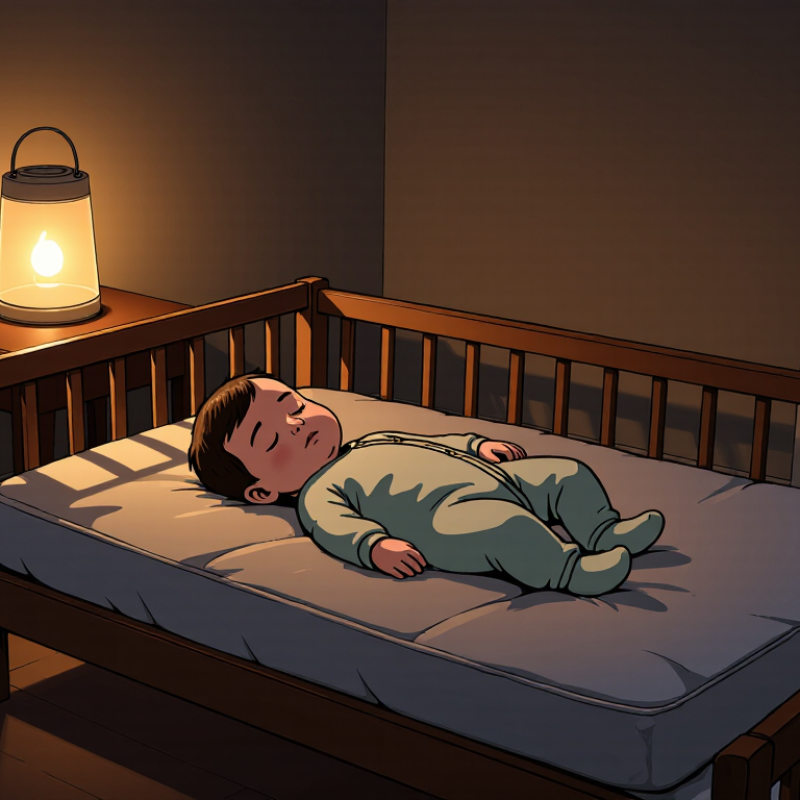
A baby staring at a night-light is often responding to vision, curiosity, and comfort. In a dim room, a small glow creates strong contrast, making it easier for developing eyes to notice. Babies may follow the light, blink at it, or watch its shape move across the wall. This can look mysterious, but it is usually normal exploration. Their visual system is still learning to focus.
Seven gentle checks can help.
I once assumed that staring always meant fear, but that was too simple. Sometimes babies simply enjoy a predictable point of light. A caregiver’s calm voice can reveal the difference. If your baby cannot track faces, has unusual eye movements, strongly avoids light, or seems distressed, discuss it with a pediatric professional. A night-light may offer comfort, yet it should not replace observation of the whole child. Safety guidance can also vary with age and sleep arrangements.
A baby may stare at a night light because contrast attracts developing vision. In dim rooms, a small glowing circle becomes highly noticeable. Babies also notice slow color changes, shadows, and movement. Their attention is still brief and easily redirected. A fixed light can feel predictable. That may help a tired baby settle, although it does not guarantee better sleep.
I have seen parents worry about a fixed gaze, but babies often study unfamiliar light normally. Still, a persistent lack of eye contact, unusual eye movement, or poor response to faces deserves medical advice.
It is easy to overinterpret one behavior. Development is uneven. A pediatric professional can assess the whole picture, including vision, sleep, and feeding.
Babies often stare at a night-light because its glow creates a strong contrast in a dark room. The soft circle may also feel predictable during nighttime awakenings. A baby can watch it while practicing focus and tracking. Staring alone usually does not signal a problem. However, contact a pediatric professional if your baby shows unusual eye movements, persistent discomfort, or poor visual tracking.
Choose a dim, warm-colored light rather than a bright blue or flashing one. Keep the lamp outside the crib and far from curious hands. Hide cords carefully to prevent pulling or chewing. Select a model that stays cool after several hours. Use a timer so the room becomes darker after sleep begins. Avoid moving shapes, loud sounds, and rapidly changing colors. Test the light from your baby’s sleeping position before bedtime.
I once assumed brighter meant safer. It only made the room feel active. A gentle glow worked better for our nighttime checks. Still, every baby responds differently. Some sleep best with complete darkness. Watch your child, adjust slowly, and keep the light away from direct eye level. Choose equipment that meets recognized electrical safety requirements, and check it regularly for heat, damage, or loose battery covers.
A baby may stare at a night light because its glow is visually interesting, calming, or unfamiliar. It can also signal that the room is too bright for sleep. The American Academy of Sleep Medicine recommends 12–16 hours of sleep for infants aged four to twelve months, including naps. Light exposure can make settling harder, especially when the light changes color or moves.
Tips: Choose a dim, steady light with a warm amber or red tone. Avoid blue or cool-white settings, which may interfere with the body’s natural melatonin rhythm. Keep the lamp outside your baby’s direct view, near the floor or behind furniture. Use the lowest brightness that lets you move safely. Turn off timers, music, and animated effects. Keep bedtime lighting consistent. Test the room from your baby’s eye level.
A simple adjustment can help. I once assumed a brighter room felt safer, but the baby became more alert. That was a useful correction. Watch for squinting, head-turning, or repeated staring. These signs suggest the light may be too intense. Never place a cord, hot lamp, or loose device within reach. The American Academy of Pediatrics also recommends a dark, comfortable sleep environment and keeping the infant’s sleep space free from hazards. If staring continues during daytime, includes unusual eye movements, or concerns you, discuss it with a pediatric professional. Textbook advice is not always enough.
7 Tips Why Does My Baby Stare at the Night Light?
When a baby stares at a night light, the glow may simply feel fascinating. Babies notice strong contrast, gentle movement, and changing shadows. Tip one: observe whether your baby responds to your voice or touch. Tip two: lower the brightness and move the light farther away. Never place a hot device or loose cord near the crib.
A fixed stare can sometimes need medical advice. Tip three: seek prompt guidance if your baby does not react during the episode. Tip four: note eye rolling, repeated blinking, stiffening, jerking, or unusual breathing. Tip five: contact a healthcare professional if one eye constantly turns, the pupils look different, or the eyes remain unusually still. These signs do not prove a serious condition. They deserve careful assessment.
Keep a simple record. Tip six: write down the time, duration, triggers, and your baby’s behavior afterward. A short video may help a clinician, if recording is safe. Tip seven: seek urgent care for breathing difficulty, blue or gray skin, loss of consciousness, or a seizure lasting several minutes. Babies younger than three months with a fever need immediate medical advice. I might assume the light caused the stare, but that assumption can mislead. A calm room, gentle testing, and professional review offer better answers.
A small glow creates strong contrast in a dim room. Developing eyes notice it easily. Curiosity is common.
Not usually. Babies may study the glow, shadows, or slow movement across the wall. I once assumed fear, but that was too simple.
Sometimes. A steady, predictable glow may feel comforting. It does not guarantee better sleep.
Choose the lowest comfortable brightness. Warm amber or red light is usually gentler than blue or cool-white light.
Keep it away from the crib and outside your baby’s direct view. Place it near the floor or behind furniture.
Watch for squinting, turning away, fussing, or repeated alert staring. Reduce the brightness. Small changes can matter.
Avoid them during sleep. Flashing colors and animations may keep your baby alert. Keep bedtime lighting quiet and consistent.
Test the room from your baby’s eye level. Notice patterns across several nights, not one evening.
Ask a pediatric professional if your baby cannot track faces, avoids light strongly, or has unusual eye movements. Also seek advice for ongoing distress or poor response to faces.
Keep cords, hot lamps, and loose devices out of reach. Keep the sleep space clear. Safety matters more than decoration.
Many parents wonder, “why does my baby stare at the night light?” In most cases, this behavior is a normal part of early development. Babies are naturally drawn to gentle colors, soft movement, and glowing shapes because their vision and attention are still developing. A night-light can also provide comfort, help a baby feel secure in a dark room, and become a familiar part of the bedtime routine. Curiosity, tiredness, and the contrast between darkness and light may all make the light especially interesting.
To create a baby-friendly sleep environment, choose a dim, warm-toned light without flashing effects, harsh glare, or distracting patterns. Place it away from the baby’s direct line of sight, use the lowest useful brightness, and consider a timer so the room becomes darker after the baby settles. Avoid changing the light frequently, since consistency can support better sleep. If your baby regularly stares intensely at lights, does not respond to faces or sounds, shows unusual eye movements, or has other developmental concerns, discuss these observations with a qualified healthcare professional.
