Why Install Underwater Lights in an Existing Pool?

Time:2026-09-28 Author:Liam
0%

Adding underwater lights to an existing pool can change more than its appearance. A soft blue glow reveals the steps, brightens the waterline, and makes evening swims feel more inviting. It can also help swimmers notice pool edges and obstacles. The difference is visible at dusk: tiled walls emerge from shadow, and the water takes on a clearer, more welcoming look.

Still, installation is not simply a matter of fitting a lamp into the wall. The pool shell, existing conduit, electrical supply, and light compatibility all matter. A careful plan should consider how to install underwater lights in an existing pool without compromising the pool structure or electrical safety. A qualified pool electrician should inspect the setup and follow the light manufacturer’s instructions. Small details matter. A damaged conduit, for example, can turn a neat upgrade into a costly repair.

I can’t verify a real industry expert’s quotation from the material provided, so I won’t invent one. A useful principle for this project is simple: “Plan the wiring before choosing the glow.” This is practical guidance, not a sourced quotation. The sections ahead explain the benefits, key checks, and installation decisions that help homeowners judge whether underwater lighting suits an existing pool. Expect a few trade-offs, too: brighter is not always better, and the best result depends on thoughtful placement.
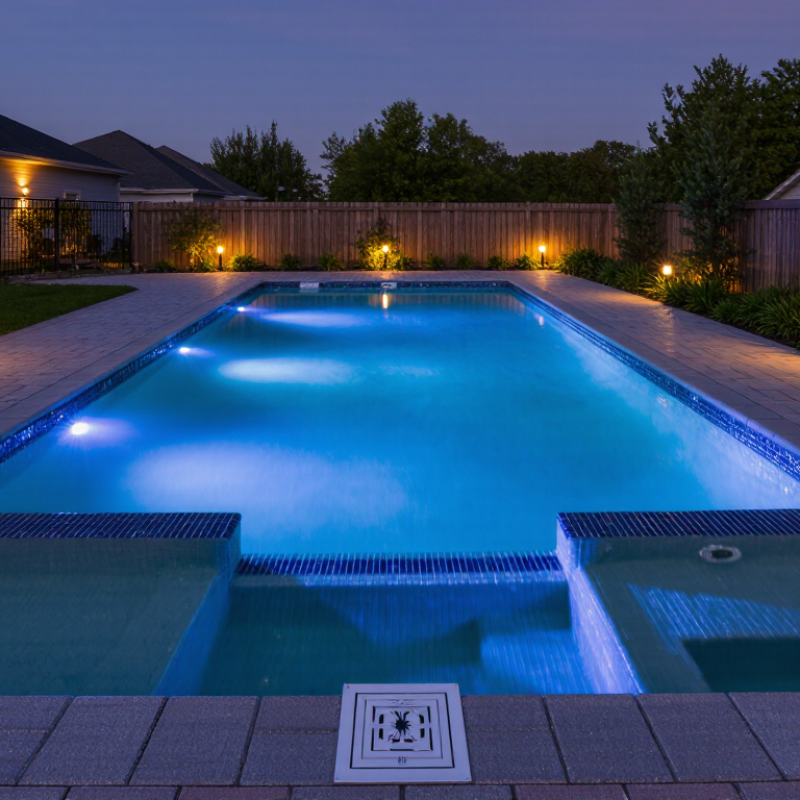
Why Install Underwater Lights in an Existing Pool?

How Underwater Pool Lights Illuminate an Existing Pool

Why Install Underwater Lights in an Existing Pool?

Underwater lights can make an established pool easier to see after sunset. Their beams reveal steps, benches, and changes in depth. A pale pool wall often reflects light more evenly than a dark finish. Small details matter.

A retrofit does not automatically mean brighter is better. Position, beam spread, and water clarity all affect the result. One well-placed fixture may reduce deep shadows, while a larger or irregular pool may need more than one. Check the view from the patio and shallow end, not only beside the pool. That is easy to overlook.

Before installation, check whether the pool has a compatible light niche or needs another suitable mounting method. Have a qualified pool electrician inspect existing wiring and seals. Use equipment designed for underwater use, and follow its installation instructions. Never assume old wiring is sound just because the light still works. I once thought a brighter lamp would solve everything; surface reflections made it feel harsher instead. Good illumination should make the water and its features easier to see without overwhelming the pool.

Why Install Underwater Lights in an Existing Pool?

LED retrofits can illuminate the water while using less electricity than traditional incandescent pool lights.

Estimated annual electricity use assumes one light operates 4 hours per day for 365 days. The comparison uses representative power ratings of 400 W for an incandescent light and 35 W for an LED light; actual fixtures and energy use vary. Underwater lighting can improve nighttime visibility and add ambiance to an existing pool.

Benefits of Adding Underwater Lighting

Adding underwater lighting can make an existing pool more useful after sunset. The change is immediate. A soft, even glow helps swimmers see steps, walls, and movement near the waterline. It can also make evening swims more inviting without changing the pool’s shape or surface. For households that already enjoy dusk swims, lighting is a practical upgrade, not just decoration.

Good lighting can improve visibility, but it cannot replace supervision or clear water. Results depend on pool size, depth, finish, and fixture placement. One bright point may create glare while leaving corners dim. A qualified pool electrician can assess the wiring, mounting options, and safety requirements. Retrofitting may involve access work, so ask about the installation plan and seal testing. Not every older pool is ready for a simple fixture swap.

Tips: View the pool from the shallow end and nearby seating after dark. Choose lighting that reveals steps without shining into windows. Confirm fixtures are rated for underwater use, and ask how installation will be completed safely. Keep expectations realistic. Lighting improves the experience; it will not fix worn surfaces or poor water balance.

Types of Lights Suitable for Existing Pools

Existing pools can often use three lighting types: niche LED retrofit lamps, complete niche retrofit fixtures, or nicheless lights. A replacement lamp fits the existing underwater housing, but only when its socket, voltage, and housing condition are compatible. A complete retrofit fixture replaces more of the assembly, which may help when the old seal or lamp holder is worn. Nicheless lights mount directly to the pool wall and can avoid matching a legacy niche. Fiber-optic systems are another option: the illuminator stays accessible outside the pool, while fiber carries light underwater. Handy, but routing the fiber can complicate a retrofit.

LEDs are a common choice for existing pools. The U.S. Department of Energy’s Energy Saver guidance reports that LEDs use at least 75% less energy and last up to 25 times longer than incandescent lighting. That comparison is general; actual savings depend on the pool’s existing lamp, operating hours, and replacement system. A qualified pool electrician should check the niche, seals, wiring, voltage, and bonding before installation. Old conduit can hold moisture or show wear. Compatibility is not always neat. Confirm the fixture’s suitability for the pool’s depth and mounting arrangement, rather than choosing by brightness alone.

Pool Compatibility and Installation Requirements

An existing pool can often accept underwater lighting, but compatibility depends on more than the pool’s age. Check the wall construction, available niche or mounting surface, and cable route to the equipment area. Concrete, fiberglass, and vinyl-lined pools may need different fixtures and sealing methods. Small details matter. Measure the opening, inspect the conduit, and confirm that the fixture is rated for continuous underwater use. An older conduit may be blocked, cracked, or too narrow for a replacement cable.

Before choosing a light, identify the pool’s electrical supply and existing transformer, if present. Low-voltage systems still require correct power sizing, protected connections, and proper bonding. Never assume an old fitting is safe because it worked last season. That assumption can be costly. Ask a qualified pool electrician to inspect the circuit, bonding, and applicable local requirements before installation. The exact method varies.

Retrofitting may involve lowering the water level, opening a niche, or sealing a surface-mounted base; the pool design determines what is practical. Protect the liner and waterproof layer from cuts. After installation, test the light and inspect for moisture, loose fittings, or unusual heat. Keep access to the junction and transformer practical for future service. Some pools need extra work. That may not become clear until the old fixture comes out, so allow time for surprises.

Electrical Safety and Ongoing Maintenance

Adding underwater lights to an existing pool means working around water, buried wiring, and equipment that may have aged unevenly. Water leaves little margin.

Have a qualified pool electrician inspect the circuit, grounding, bonding, and protective devices before installation. The right setup depends on the pool and local requirements, so a quick visual check is not enough. A low-voltage light still needs correct installation and protection.

It is tempting to focus on the fixture’s brightness, but the wiring behind the wall matters just as much. Small details matter.

After installation, watch for flickering, a tripping breaker, moisture inside the lens, or corrosion around the fixture. These signs deserve prompt attention, not a closer look with the power on.

Switch off the circuit and ask a qualified professional to inspect it. During routine pool care, check that the lens is secure and the light remains clear; avoid pulling or twisting the cable.

Keep records of inspections and repairs, especially if the pool is older. Even a careful owner can miss a seal beginning to fail, and that is worth admitting. Regular checks help catch deterioration before it becomes an urgent repair.

FAQS

Why add underwater lights to an existing pool?

They can reveal steps, benches, and depth changes after sunset. Small details matter.

Does a brighter light always improve visibility?

No. Position, beam spread, and water clarity affect the result. Reflections can make bright light feel harsh.

How many lights might an existing pool need?

One well-placed fixture may reduce deep shadows. Larger or irregular pools may need more than one.

Where should I check the lighting effect?

Look from the patio and the shallow end, not only beside the pool. That view is easy to miss.

What lighting types can suit an existing pool?

Options include retrofit lamps for existing niches, complete replacement fixtures, and nicheless lights mounted on the pool wall. Fiber-optic systems are another option, though routing can be tricky.

Can I replace only the existing lamp?

Sometimes. The socket, voltage, and housing must be compatible and in suitable condition. Compatibility is not always neat.

What should an electrician inspect before installation?

Have a qualified pool electrician check the wiring, seals, niche, voltage, and bonding. Old conduit may hold moisture or show wear.

Are LED lights more efficient than incandescent lights?

General guidance says LEDs use at least 75% less energy and can last up to 25 times longer. Actual savings depend on the existing lamp and use. I once assumed brighter meant better; it did not.

Conclusion

Adding underwater lights to an existing pool can transform evening swimming by improving visibility, highlighting the pool’s shape, and creating a more inviting atmosphere. The right lighting can also make steps, edges, and swim areas easier to see after dark. Options may include energy-efficient LED fixtures, surface-mounted lights, or models designed to fit existing niches, depending on the pool’s construction and electrical setup.

Before deciding how to install underwater lights in an existing pool, check whether the pool shell, available wiring, and power supply are compatible with the chosen fixture. Installation should account for secure mounting, suitable waterproof connections, and safe separation from electrical equipment. A qualified pool professional can assess these requirements and carry out electrical work safely. Regularly inspect fixtures, seals, cables, and controls, and follow the manufacturer’s care instructions to help keep the lighting reliable over time.

Liam

Liam

Liam is a dedicated marketing professional with a profound expertise in the industry, where he excels at highlighting the unique advantages of our core products. With a keen understanding of market trends and consumer needs, Liam frequently updates our company’s professional blog, providing......