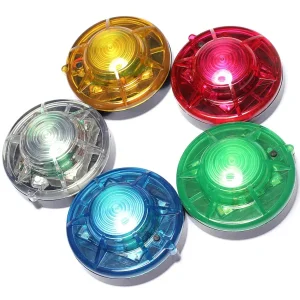
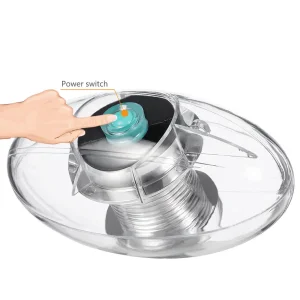
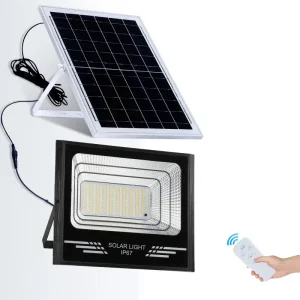
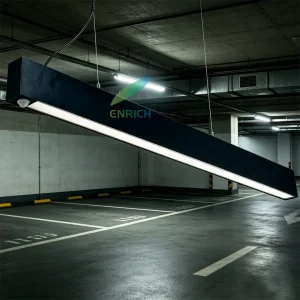
Direct factory supply chain integration offering high efficiency, waterproof certifications, and intelligent power management across commercial, industrial, and decorative categories.
The global market for municipal, industrial, and high-end residential outdoor landscape infrastructure is undergoing a fundamental structural transition. Driven by aggressive zero-carbon policies, public decarbonization mandates, and the surging labor costs of electrical trenching, Wireless Outdoor Pathway Lights have evolved from simple aesthetic enhancements to highly sophisticated electrical assets. By eliminating grid-dependency, municipal developers, architectural contractors, and industrial operators are circumventing the traditional layout issues related to wiring routing, ground excavation, and localized permits.
From a global procurement perspective, target markets have differentiated parameters. North American enterprises heavily prioritize physical resilience and long-term warranties due to volatile temperature extremes, whereas European tenders place strict demands on CE (Conformité Européenne) certification, material recycling efficiency (WEEE directives), and zero light pollution (Dark Sky Compliance). Meanwhile, rapidly urbanizing hubs within the MEA (Middle East & Africa) require ultra-high IP ratings (IP67 or IP68) and high thermal tolerance to protect advanced battery chemistries and photo-voltaic cells from persistent dust storms and thermal degradation.
For import specialists, civil project managers, and distribution partners, securing products with verifiable CE marks is not merely a legal checkbox; it is a critical safeguard against product recalls, legal liability, and catastrophic failure in the field. CE compliance verifies that our wireless outdoor pathway lights meet the essential requirements of several critical European Directives:
Ensures the internal circuitry, fast-charging configurations, and battery protection boards (BMS) operate safely within prescribed electrical thresholds. It mitigates short circuits, thermal runaway, and electrical shock risks under heavy rain or coastal condensation.
Validates that the pathway lights do not generate electromagnetic interference that disrupts local Wi-Fi, smart city telecommunications, or RF networks, and that they maintain operational stability near strong external electromagnetic fields.
Restricts hazardous substances (like lead, mercury, and cadmium) in SMT solder joints, plastic resins, and aluminum casings. This is critical for landscape integration, preventing chemical runoff into local ecosystems.
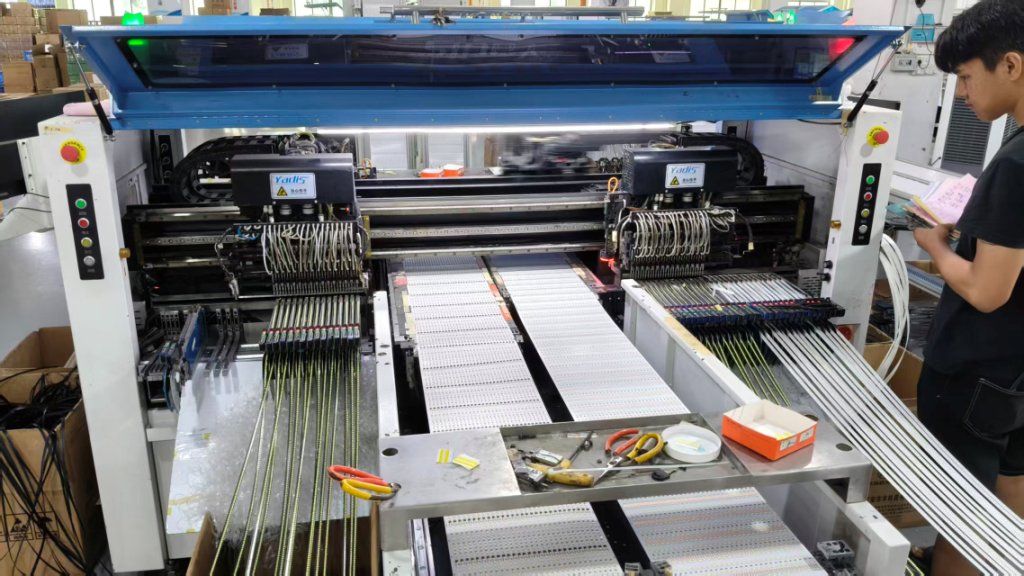
In the highly competitive LED landscape, the ability to rapidly transition a design concept into mass-produced, internationally compliant hardware is determined by raw supply chain integration. Shenzhen Weisen Light Co., Ltd., established in 2016 with manufacturing roots tracing back to 2009, represents the pinnacle of this capability. Operating within Shenzhen—the global epicenter of advanced optoelectronics and lithium-battery R&D—our facility integrates all key phases of production, from raw aluminum alloy extrusion to complex surface mount technology (SMT) and automated epoxy potting.
With 17+ years of deep-rooted expertise, our plant addresses global market demands through rapid prototyping cycles and strict quality control protocols. While Western brands struggle with long component lead times, our factory leverages a localized ecosystem of raw semiconductor and battery suppliers, reducing typical OEM/ODM product cycles to a fraction of the time. This operational scale enables us to offer competitive, direct-factory pricing without compromising on material purity, LED driver design, or weatherproofing standards.
Headquarters and main production hub of Shenzhen Weisen Light Co., Ltd.
To ensure high quality across our entire product portfolio (including indoor/outdoor lighting, eco-friendly solar solutions, and specialized waterproof submersible lighting), our manufacturing facility operates a multi-step, fully documented quality inspection flow:
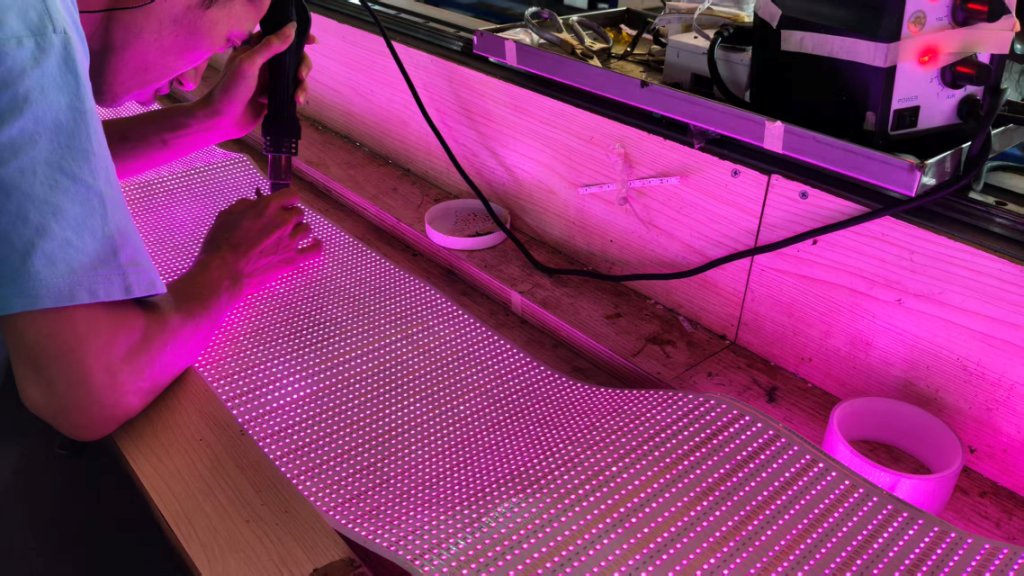
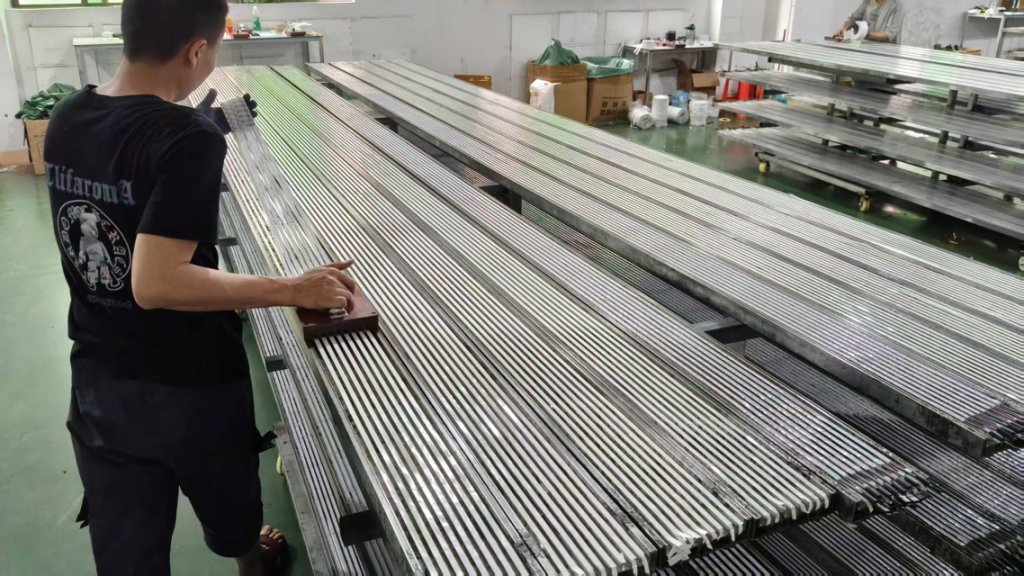
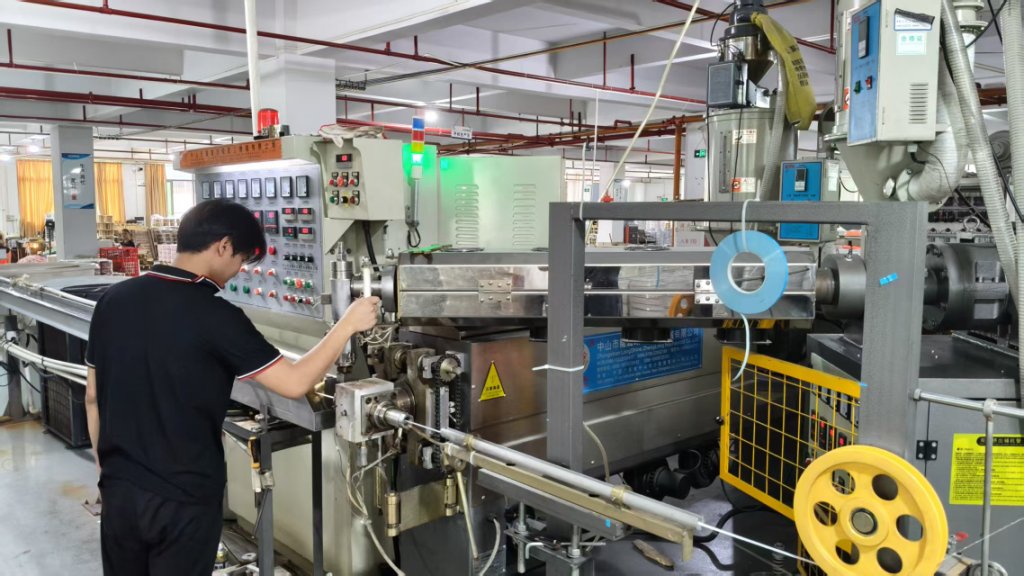

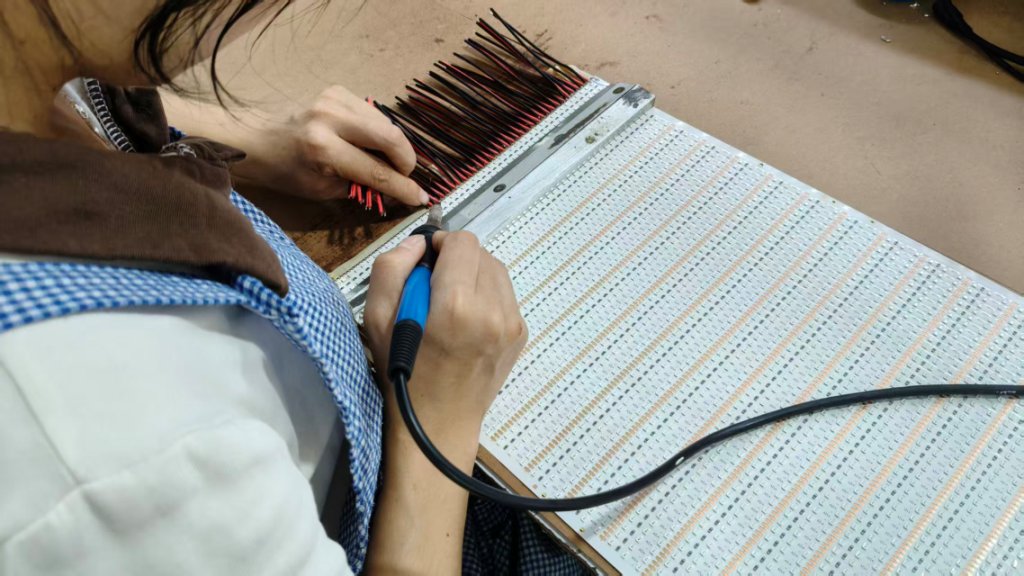
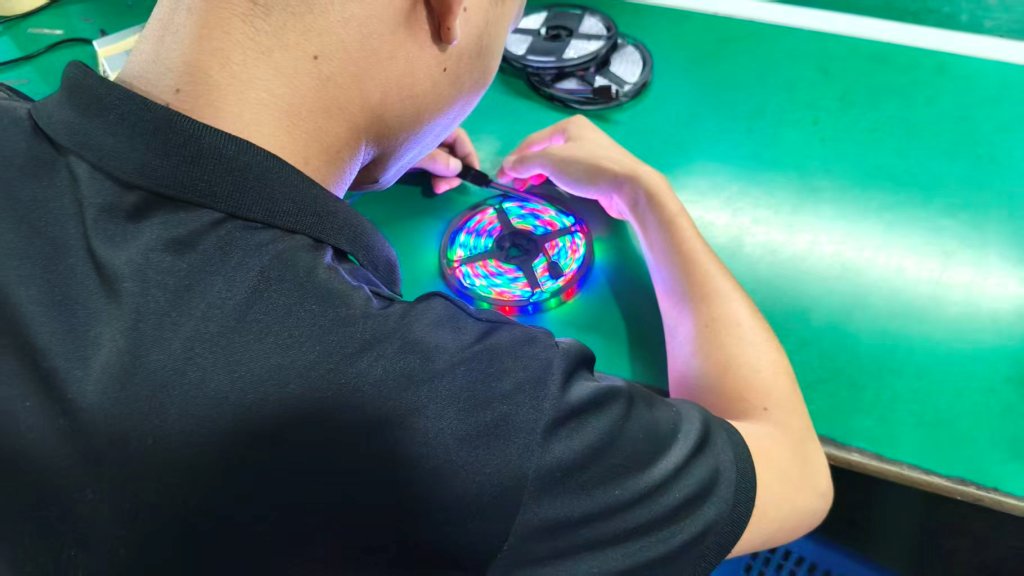
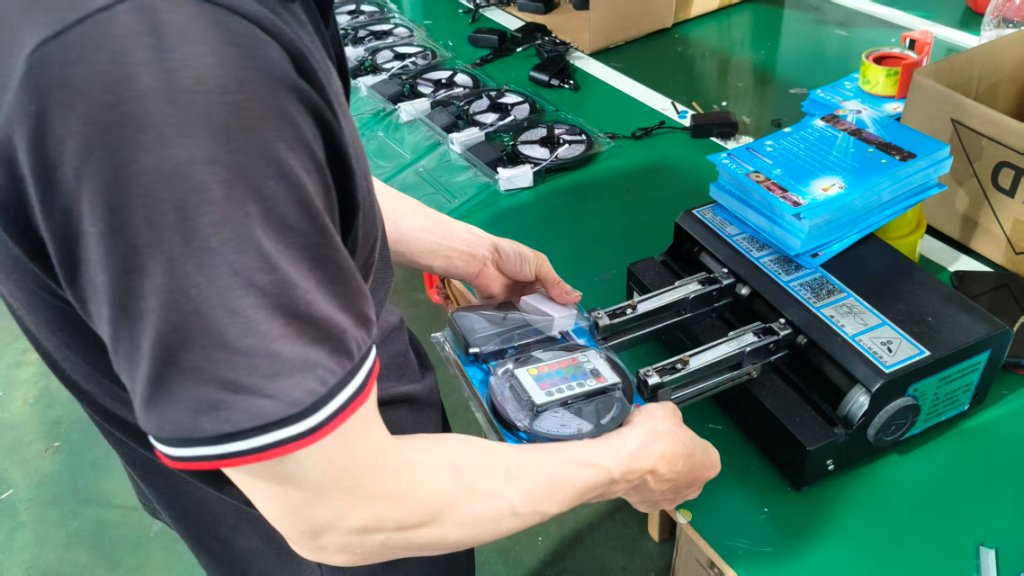
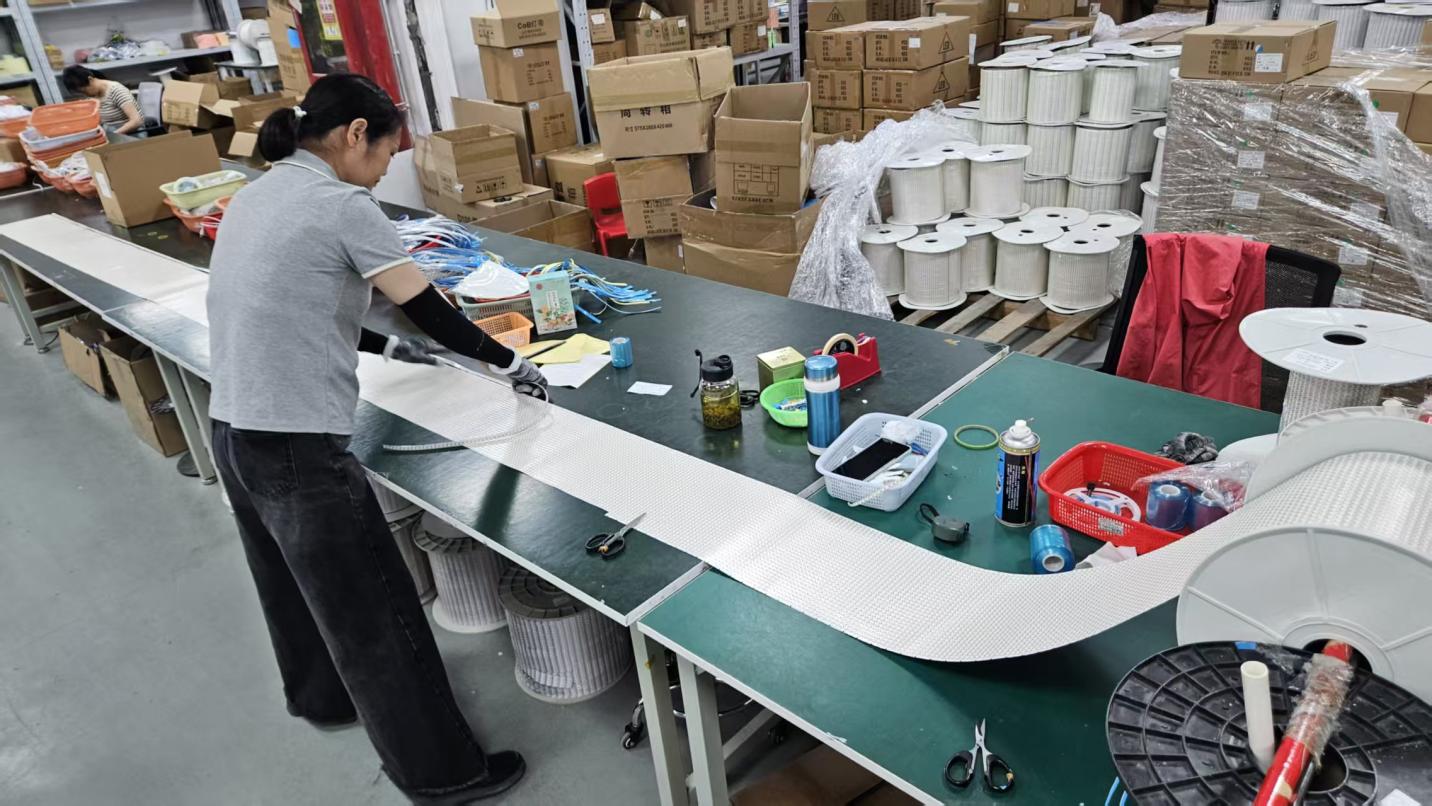
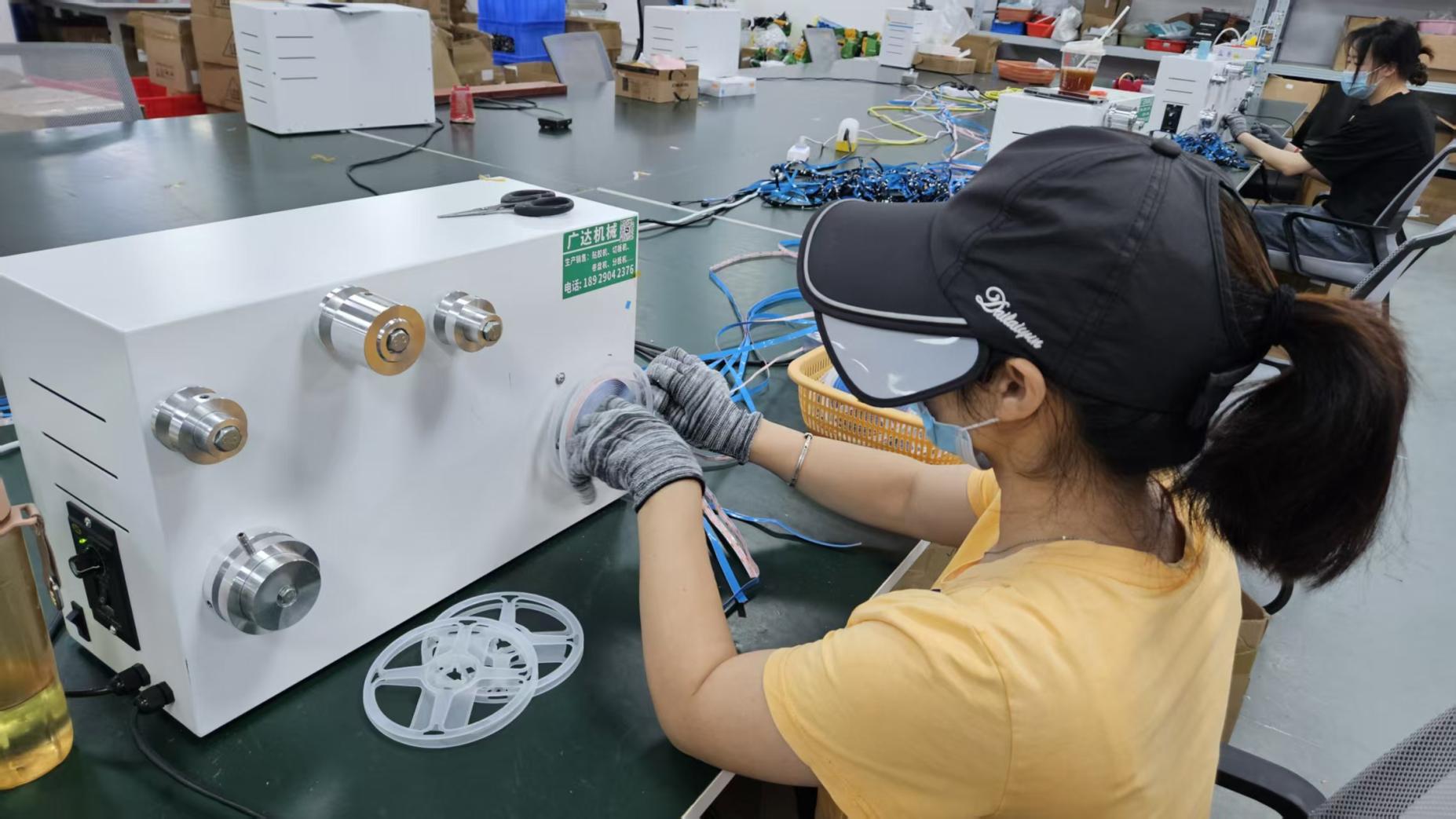
Industrial outdoor fixtures must endure dynamic thermal cycles, UV exposure, physical impact, and moisture ingress. As a primary exporter, Weisen Light ensures every pathway light conforms to robust structural and material standards, guaranteeing long-term operation under demanding field conditions.
To maximize system longevity and optical design, wireless pathway lights must be tailored to distinct environments:
Pedestrian plazas, corporate campuses, and hotels require uniform illumination with zero glare. Our lights utilize asymmetric reflectors to project light directly onto pathways without spilling into windows or open areas.
In high-hazard maritime docks, energy hubs, and logistics facilities, lighting systems must withstand chemical exposure and physical impact (IK08+ ratings). Motion-sensing configurations optimize battery reserves, delivering bright light only when personnel or vehicles are detected.
Integration with IoT mesh protocols allows city operations teams to monitor battery health, adjust brightness zones dynamically, and track occupancy metrics across vast public parks, improving overall safety and minimizing maintenance cycles.
The outdoor lighting industry is shifting toward multi-sensor IoT integration. Future wireless pathway systems will act as localized network nodes, collecting environmental data, running predictive maintenance alerts, and adapting their light output based on real-time atmospheric visibility. Additionally, eco-design policies now prioritize modular products. Sourcing managers are seeking pathway lights with easily replaceable batteries and LED modules, allowing maintenance crews to swap internal parts in the field rather than discarding entire aluminum fixtures.
Sourcing directors evaluating overseas factories should focus on three primary verification steps to ensure quality:
Practical answers to technical questions concerning deployment, factory standards, and safety compliance for professional buyers.
CE compliance requires verification under the Low Voltage Directive (LVD) and Electromagnetic Compatibility (EMC) Directive. Our factory conducts testing on insulation resistance, grounding continuity, and electromagnetic radiation emissions. Original test reports from accredited laboratories are provided with all contract shipments.
We offer customized low-temperature LiFePO4 batteries equipped with smart thermal management. When ambient temperatures drop below freezing, the system regulates charging rates to prevent internal lithium plating, preserving cycle life and protecting against early cell failure.
Our design services cover custom color temperatures (2200K to 6500K), specific beam angles, custom laser-etched branding, and modified sensor parameters (PIR motion vs radar detection). We also offer customized battery configurations to suit unique project requirements.
By combining high-durability LEDs with quality LiFePO4 cells, our pathway lights maintain stable performance for over 50,000 hours. The primary maintenance task is periodically wiping down the protective glass lenses in high-dust environments to maintain solar charging efficiency.
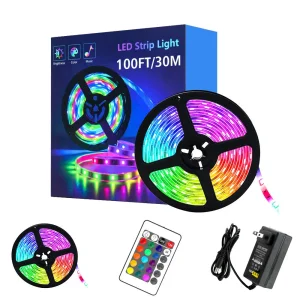
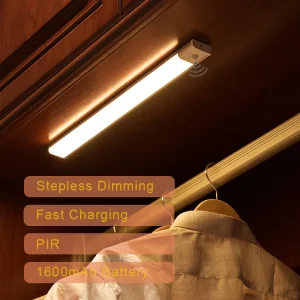
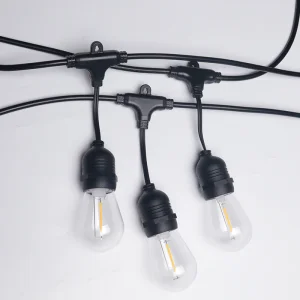
Additional catalog selections featuring IP65 enclosures, multi-colored LED arrays, Smart Bluetooth connectivity, and decorative configurations for international export.