The global market for Smart Motion Activated Outdoor Lights is pivoting from simple PIR sensors to AI-driven occupancy sensing. As urbanization accelerates, the demand for energy-efficient, security-focused lighting is no longer a luxury but a standard for commercial and residential infrastructures.
With the rise of "Dark Sky Compliance" and carbon neutrality goals, Chinese manufacturers are integrating high-efficiency solar harvesting with intelligent dimming protocols. This ensures 100% autonomy and zero grid reliance for remote installations.
Modern outdoor lighting systems are now nodes in a larger ecosystem. Matter-compatible devices and 5G-enabled streetlights are redefining the "Smart City" landscape, offering centralized control and real-time data telemetry.
Sourcing from Shenzhen's leading lighting clusters provides more than just cost-savings. It offers access to a vertically integrated ecosystem where R&D, component manufacturing, and rapid prototyping coexist.
Utilizing high-speed SMT (Surface Mount Technology) and automated resin casting, factories like Weisen Light can pivot production from standard floodlights to custom architectural lighting in record time.
The clustering effect in the Pearl River Delta ensures that even during global logistics disruptions, the local supply of LED chips, drivers, and sensors remains stable, ensuring on-time delivery for global B2B partners.
Advanced inspection protocols including aging tests, IP68 immersion testing, and spectral analysis are standard, providing the "Reliability" pillar of E-E-A-T that global brands demand.
Established in 2016, Shenzhen Weisen Light Co., Ltd. is a dynamic and innovative high-tech enterprise dedicated to the research, development, and global supply of cutting-edge LED lighting solutions. With a mission to "Illuminate Life with Innovation and Elegance," we continuously strive to bring creative, high-quality products that make life more vibrant and beautiful for customers worldwide.
Our manufacturing roots date back to 2009. With over 17 years of deep-rooted expertise in the LED lighting industry, our factory has evolved into a robust production hub.
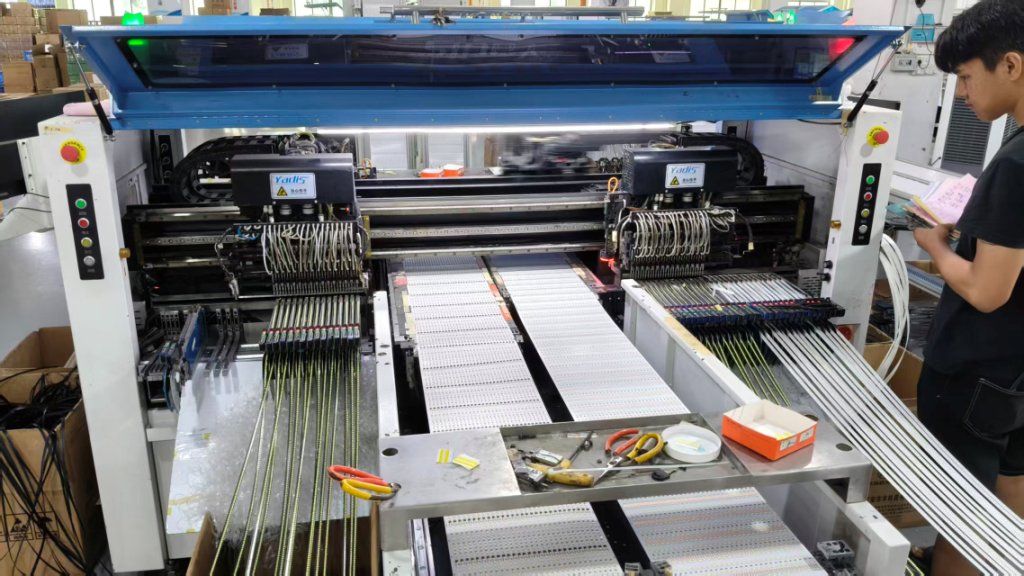
Chip Mounted
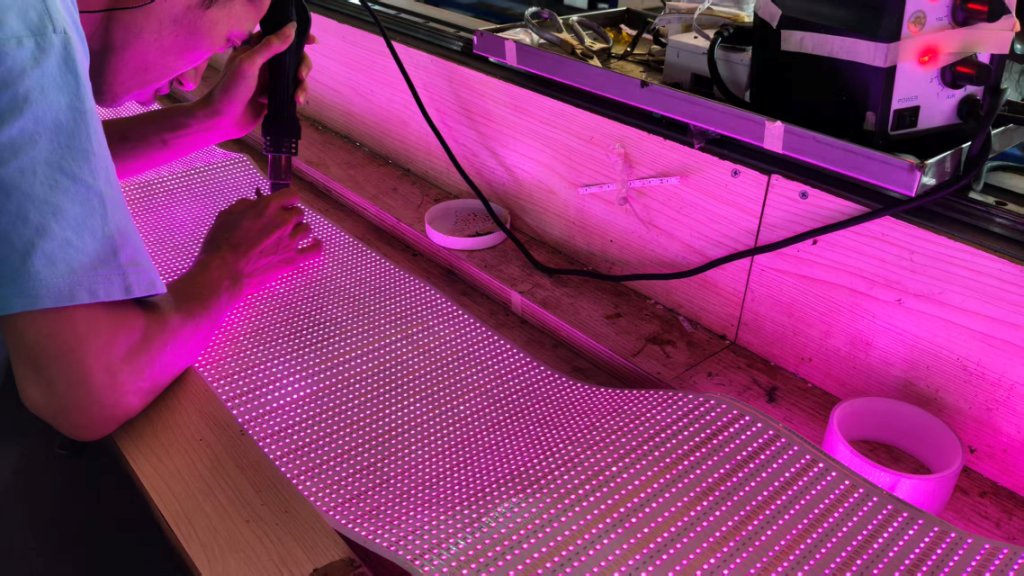
SMT
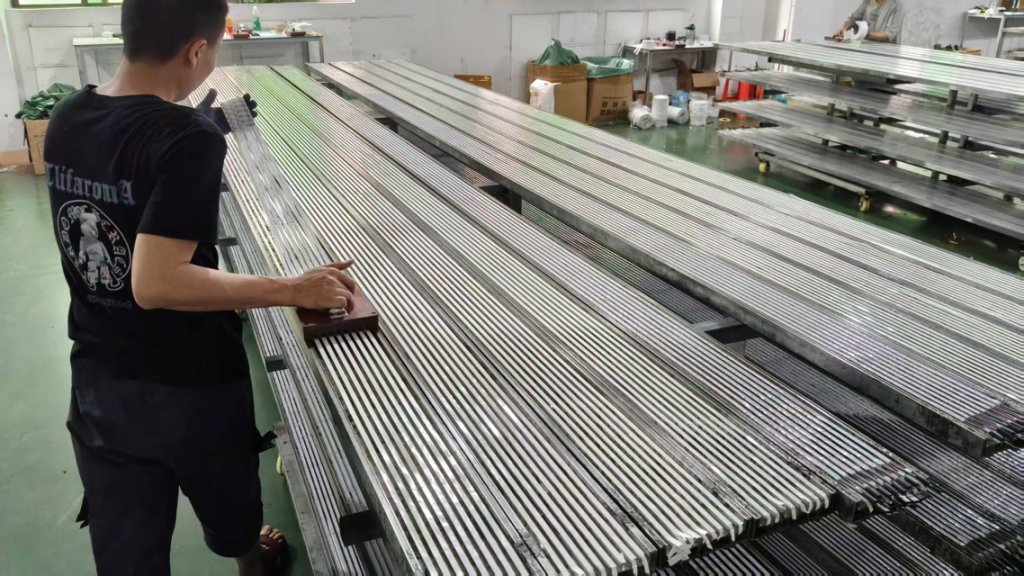
Resin Casting
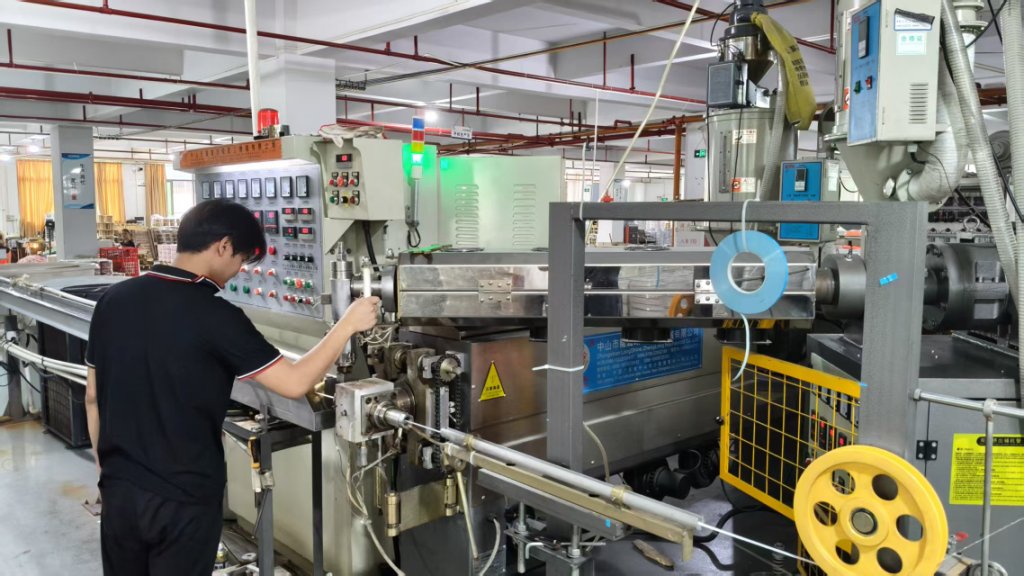
Integrated Extrusion
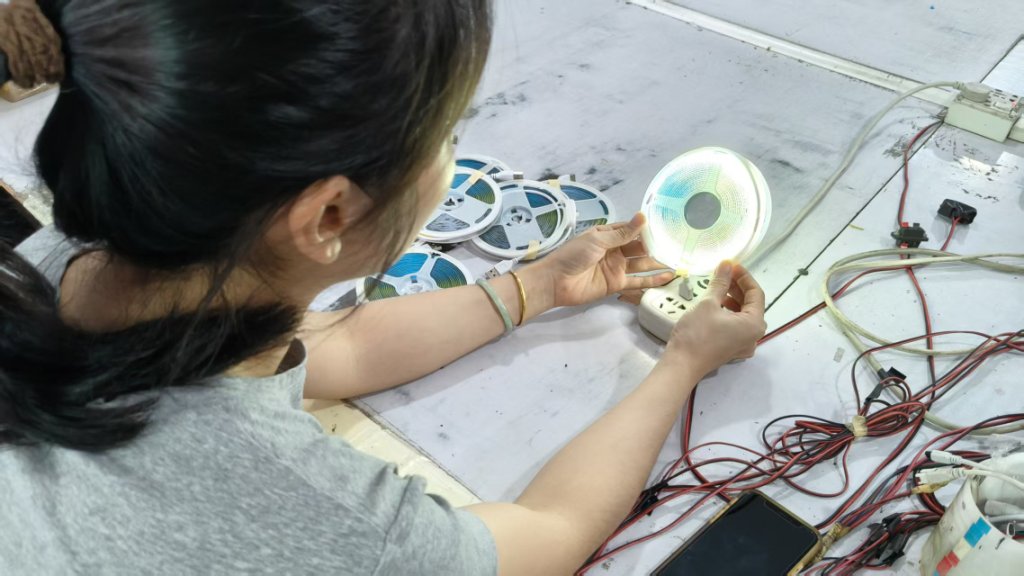
Welded
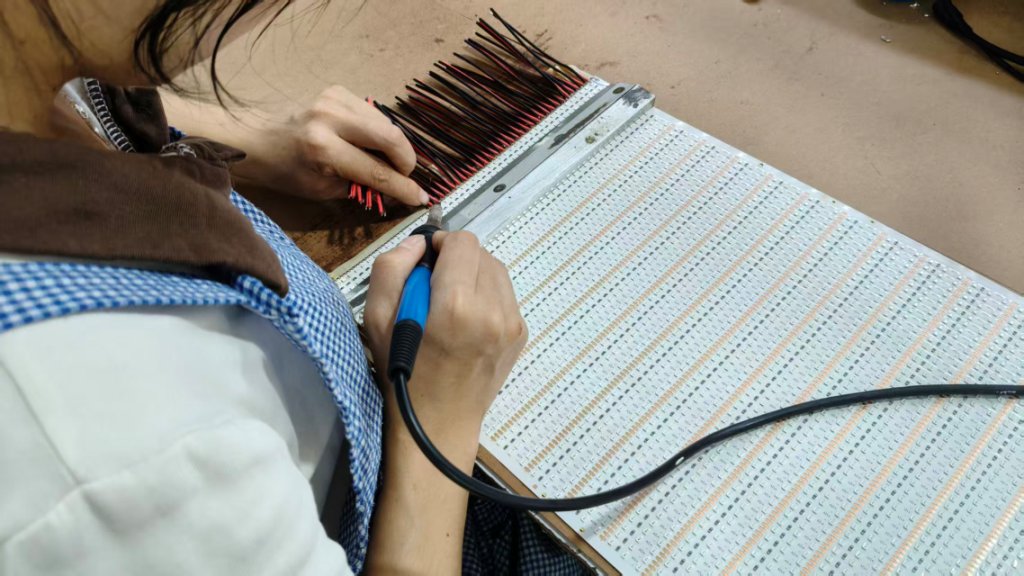
Welded
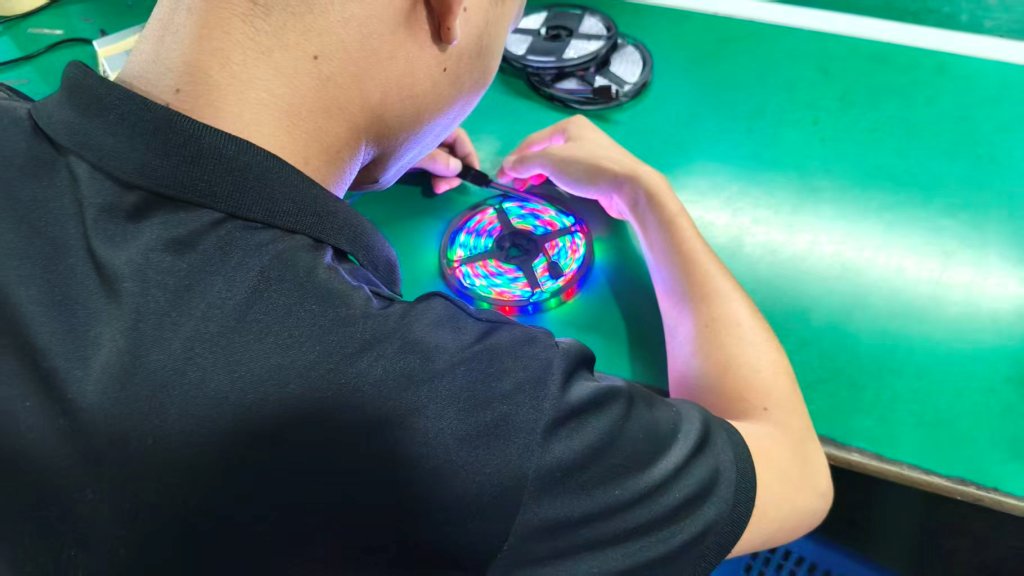
Inspection
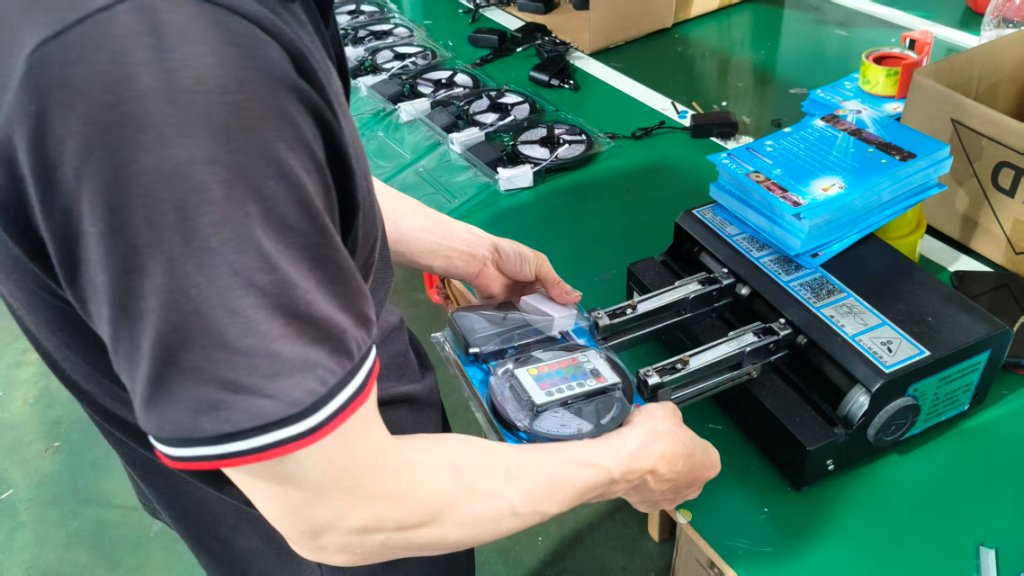
Packing
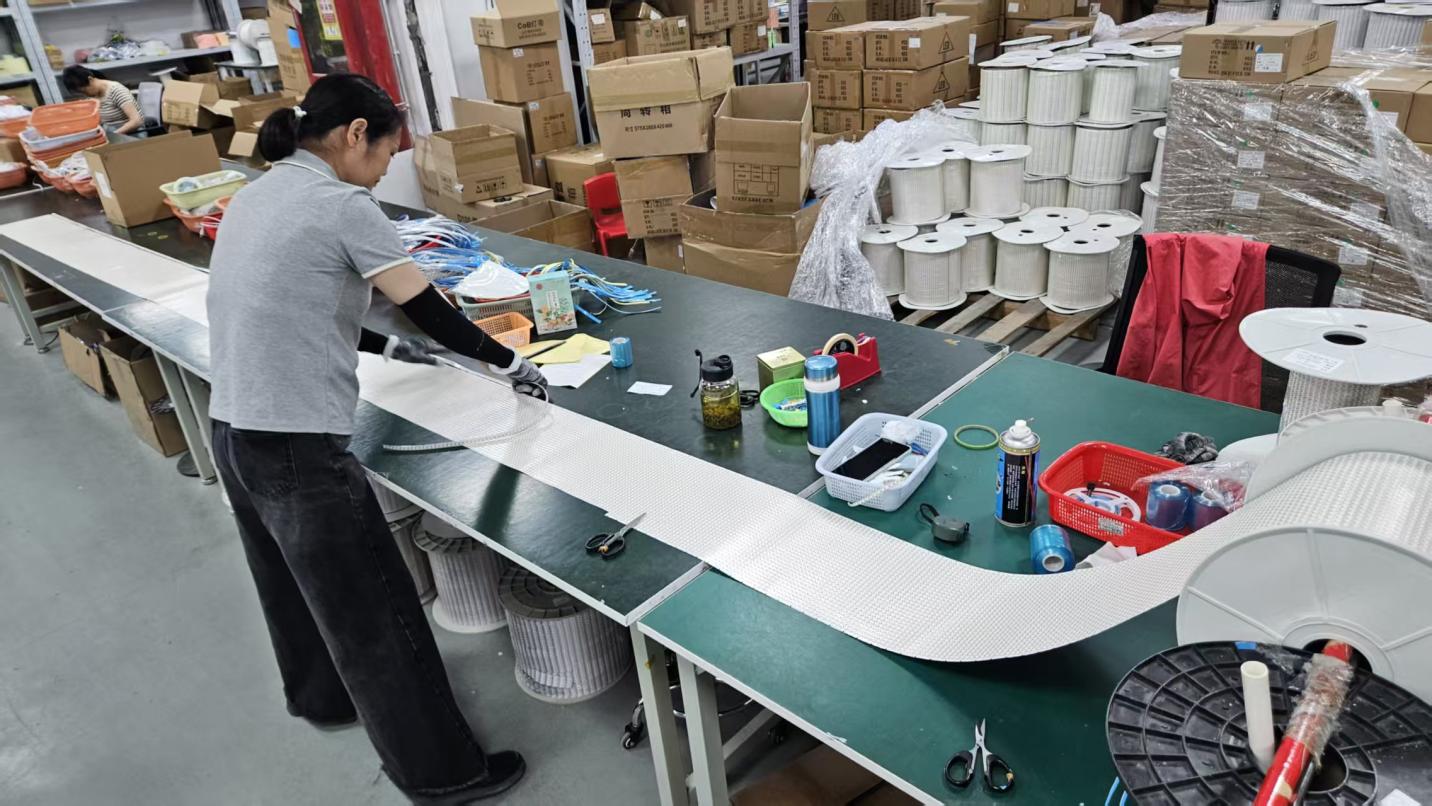
Cutting
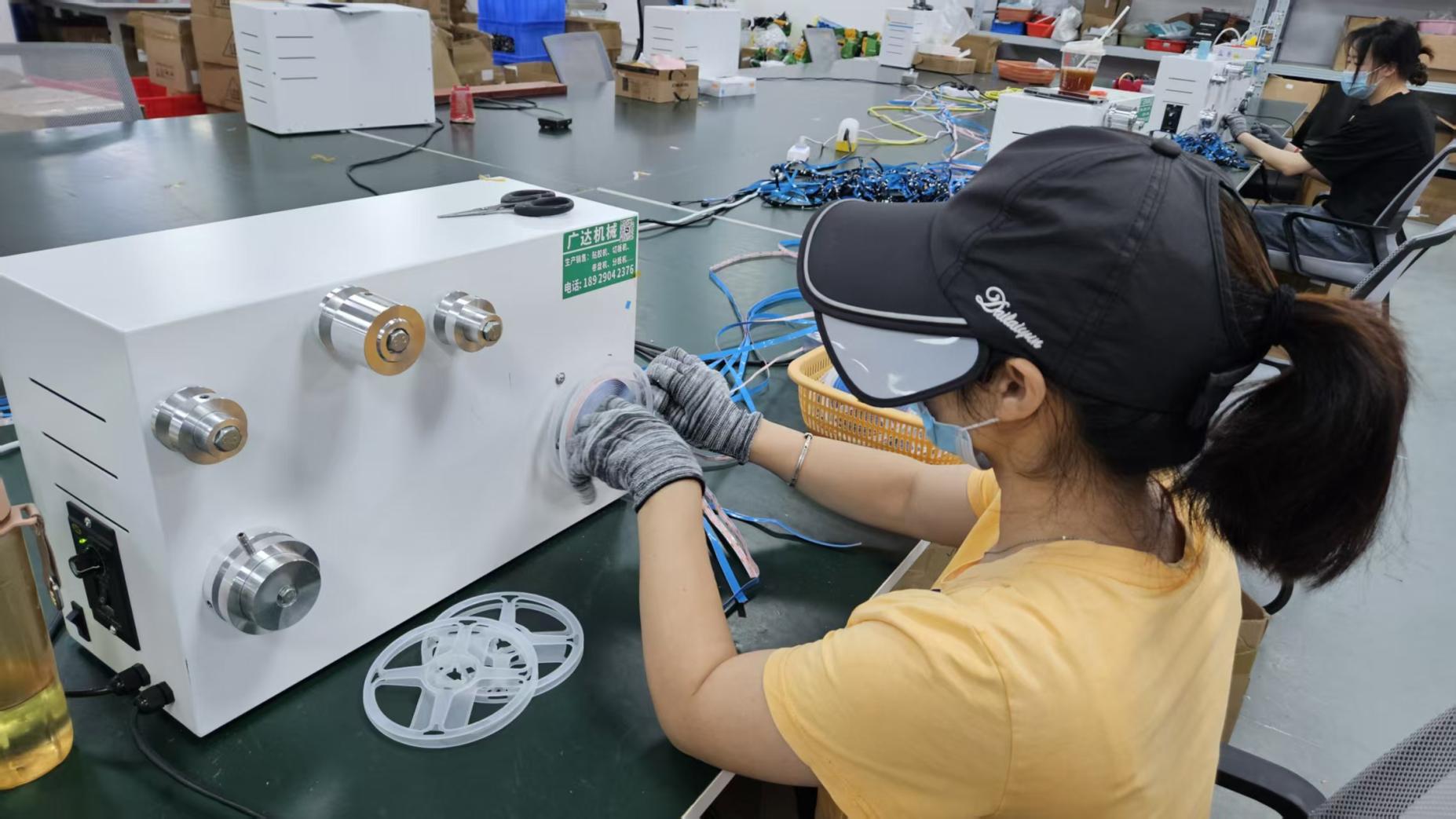
Reeling
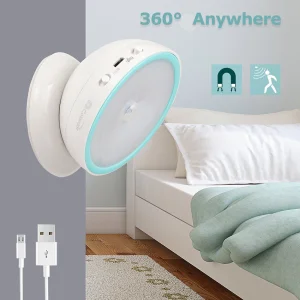
Localized application in suburban areas across North America and Europe focuses on Deterrence & Aesthetics. Modern motion sensors must distinguish between pets and human intruders to minimize false alarms.
In massive warehouse complexes, motion-activated lighting reduces energy overhead by up to 70%. Integration with building management systems (BMS) allows for heat-mapping of warehouse traffic.
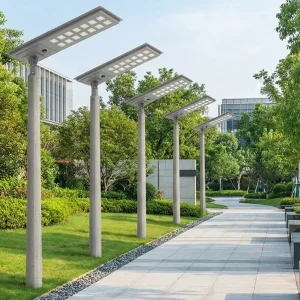
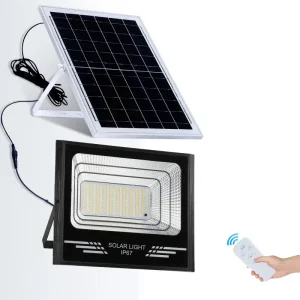
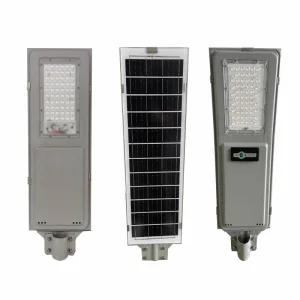
Solar-powered motion streetlights are the backbone of rural electrification in emerging markets. These units operate autonomously, reducing the need for costly trenching and wiring.
Global procurement teams are shifting away from "Lowest Unit Cost" toward "Total Cost of Ownership (TCO)". Factors like IP67 waterproofing, Battery Cycle Life (LiFePO4), and Lumen Maintenance (L70) are now the primary KPIs in technical RFPs. Weisen Light addresses these through:
Years Industry Experience
Global Patents & Design Rights
Quality Inspection Protocol
What are the advantages of Microwave Sensors over PIR Sensors in outdoor lighting?
Microwave sensors use Doppler radar to detect movement and are more sensitive than PIR (Passive Infrared). They can detect motion through thin walls and glass, making them ideal for high-security commercial zones, though PIR remains superior for domestic use to avoid false triggers from wind-blown debris.
How does Weisen Light ensure the longevity of solar battery systems?
We utilize Lithium Iron Phosphate (LiFePO4) batteries, which offer up to 2000+ charge cycles compared to the 300-500 cycles of standard Lead-Acid or Li-ion batteries. Combined with intelligent MPPT controllers, we maximize energy harvesting even in low-light conditions.
Can your products be integrated into existing Smart Home ecosystems?
Yes. Our latest R&D focuses on Tuya, Zigbee, and Matter compatibility, allowing seamless integration with Alexa, Google Home, and professional Building Management Systems.
What is the lead time for large-scale ODM orders?
Typically, custom ODM designs take 2-4 weeks for prototyping and 30-45 days for mass production, thanks to our integrated supply chain and in-house SMT and assembly lines.