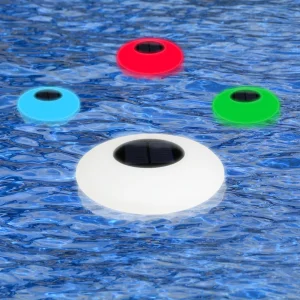
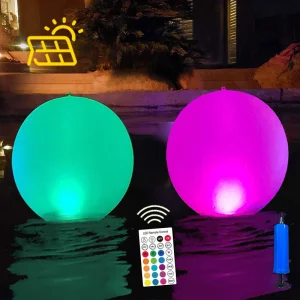
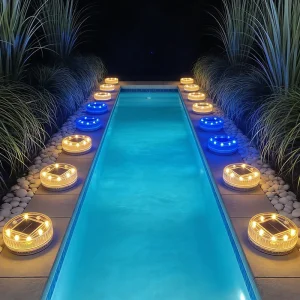
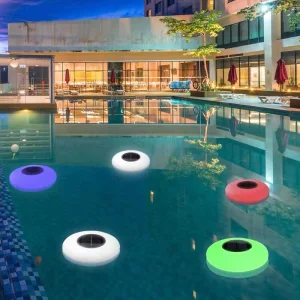
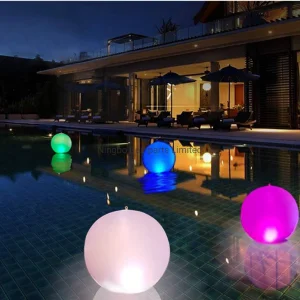
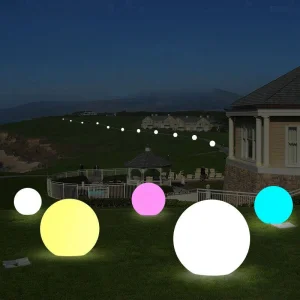
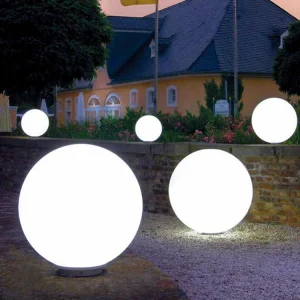
Premium grade solar floating light systems calibrated for extreme equatorial UV exposure, salt air, and maritime conditions.
A Comprehensive Technical Whitepaper on Deploying Photovoltaic-LED Aquatic Technology in High-Humidity Maritime Climates.
Equatorial Guinea, spanning Bioko Island (Malabo) and the mainland Rio Muni (Bata, Oyala), experiences a dynamic transition toward ecological energy diversification. The nation’s "Horizon 2035" and subsequent infrastructure agendas place a massive emphasis on sustainability, tourism expansion, and clean energy. In high-humidity coastal zones like Sipopo, Luba, and the pristine beaches of Corisco Island, lighting installations are perpetually challenged by intensive maritime corrosion, salt-spray oxidation, and heavy annual precipitation.
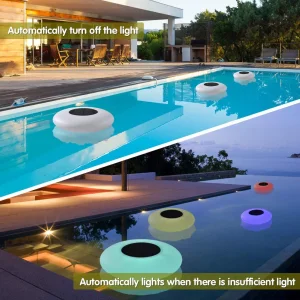
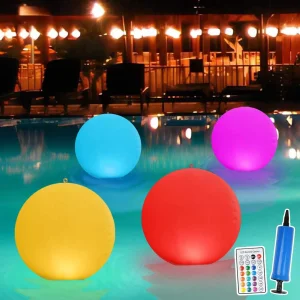
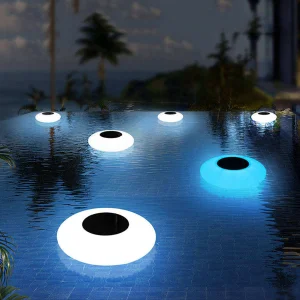
Deploying conventional wired lighting in commercial pools, ornamental ponds, and coastal water systems entails substantial trenching costs, continuous power consumption, and severe electrical hazards due to moisture ingress. Solar floating pool lights circumvent these bottlenecks entirely, harvesting abundant solar irradiance to provide autonomous, zero-cost, safe, and IP68-rated aesthetic lighting.
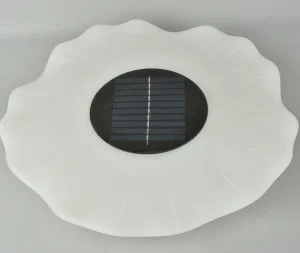
The global solar aquatics market is undergoing a technical paradigm shift. Modern floating lights no longer rely on low-efficiency amorphous solar cells or volatile Ni-MH batteries. Standard commercial specifications now require monocrystalline silicon panels integrated with intelligent Maximum Power Point Tracking (MPPT) micro-controllers, alongside high-capacity Lithium Iron Phosphate (LiFePO4) or advanced lithium-ion chemistries.
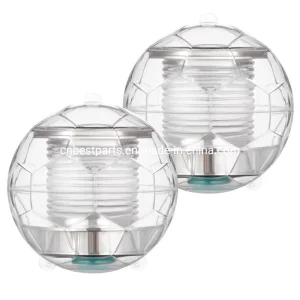
These systems feature premium optical materials like UV-stabilized Polycarbonate (PC) and impact-resistant Polymethyl Methacrylate (PMMA). Sealed via ultrasonic welding or automated polyurethane resin casting, these light spheres achieve a true IP68 rating, sustaining prolonged immersion and severe thermal fluctuations under direct equatorial sunlight.
The deployment of our solar floating lights in Equatorial Guinea targets several key areas:
Operating electronics in a tropical zone demands rigorous engineering. High ambient temperatures (averaging 26°C to 32°C year-round) coupled with 90%+ relative humidity accelerate chemical degradation in standard batteries. Our custom line of solar floating lights addresses this by incorporating temperature-compensated battery protection circuits and thermal dissipation pathways within the floating core.
Additionally, the optical housing is treated with advanced UV-inhibiting coatings, preventing the typical yellowing and embrittlement caused by constant high UV index levels characteristic of latitudes near 0°.
Shenzhen Weisen Light Co., Ltd. — Your Global Partner for Advanced Aquatic and Architectural LED Systems.
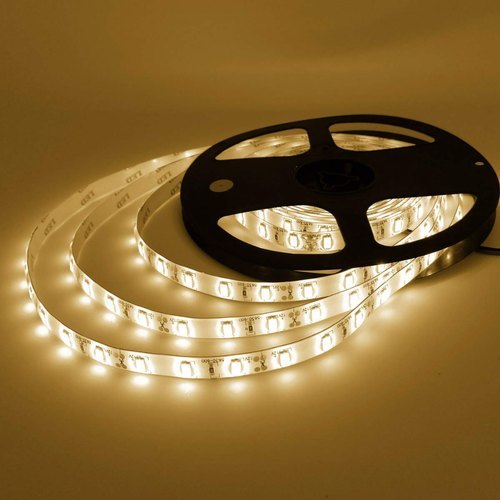
Established in 2016, Shenzhen Weisen Light Co., Ltd. is a dynamic and innovative high-tech enterprise dedicated to the research, development, and global supply of cutting-edge LED lighting solutions. With a mission to "Illuminate Life with Innovation and Elegance," we continuously strive to bring creative, high-quality products that make life more vibrant and beautiful for customers worldwide.
Our manufacturing roots date back to 2009. With over 17 years of deep-rooted expertise in the LED lighting industry, our factory has evolved into a robust production hub. We specialize in a diverse and comprehensive portfolio of lighting solutions, including:
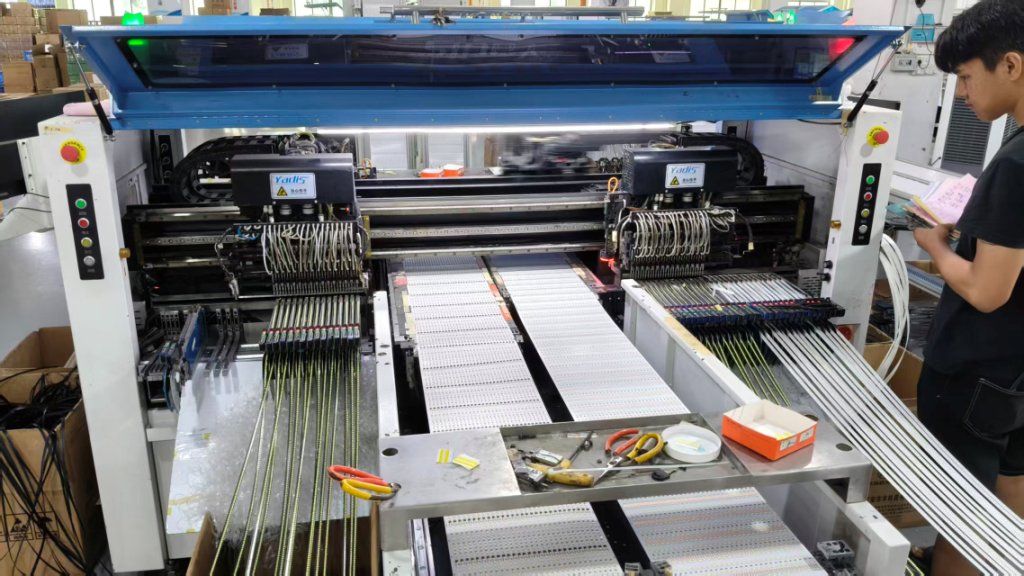
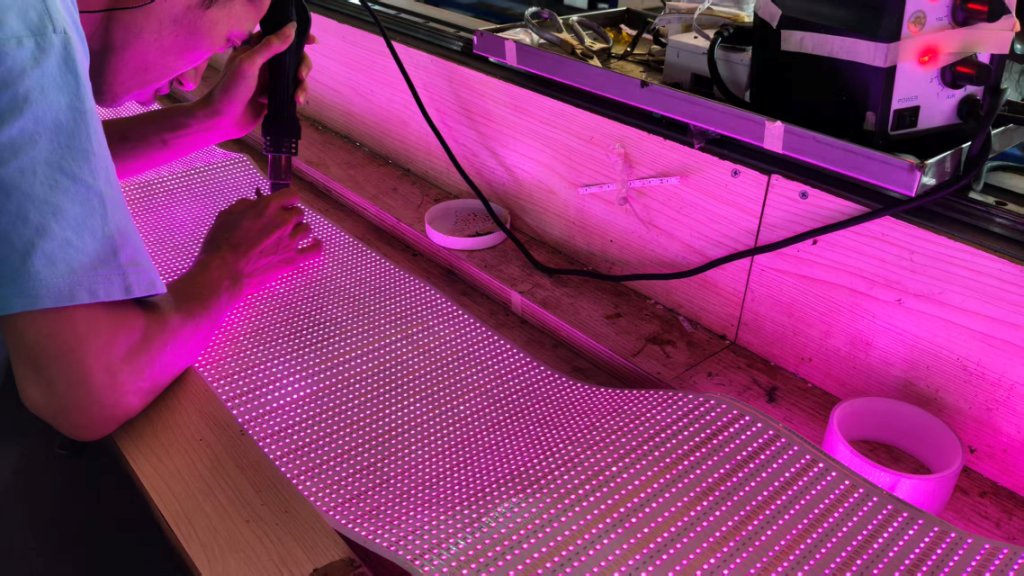
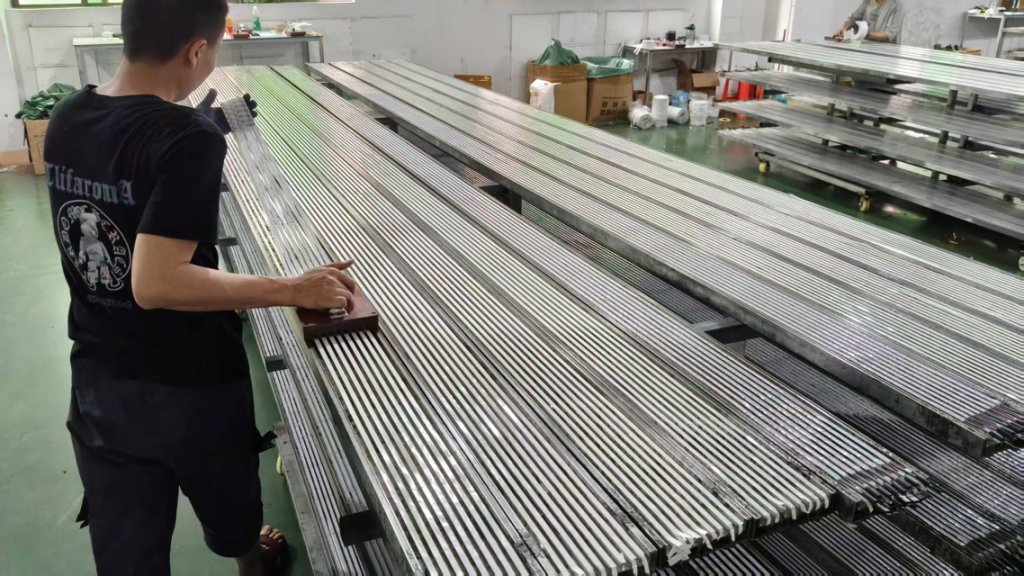
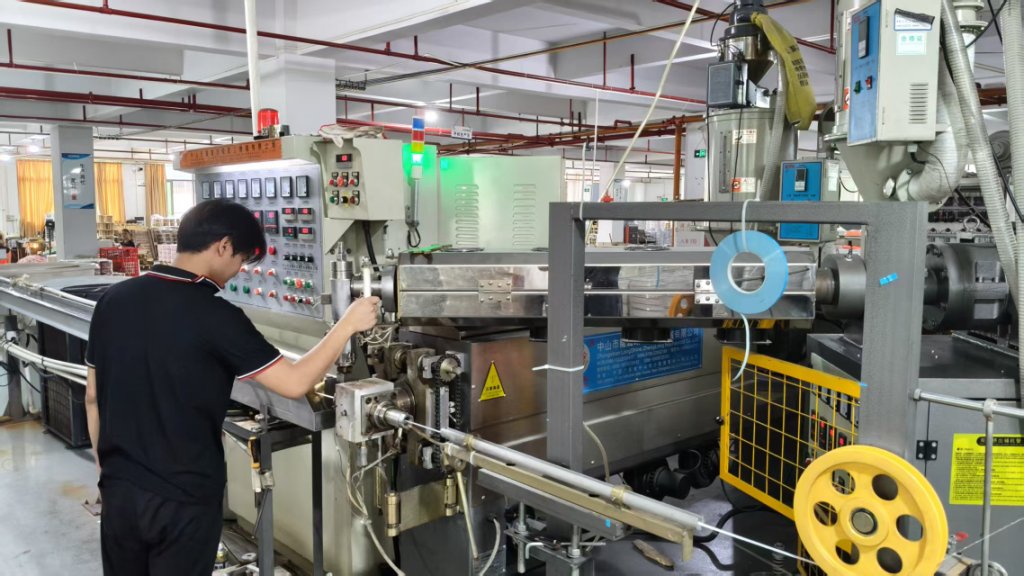
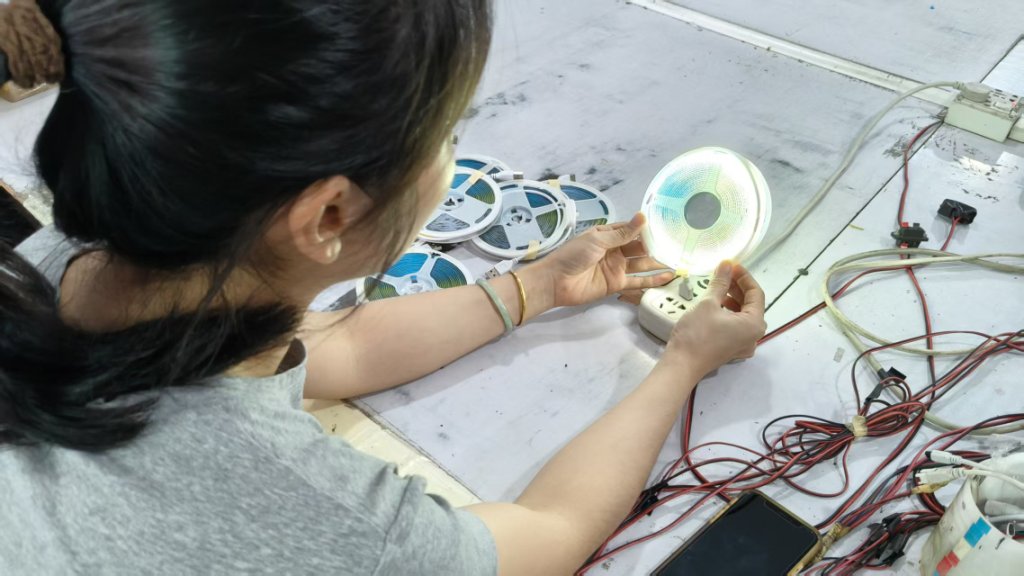
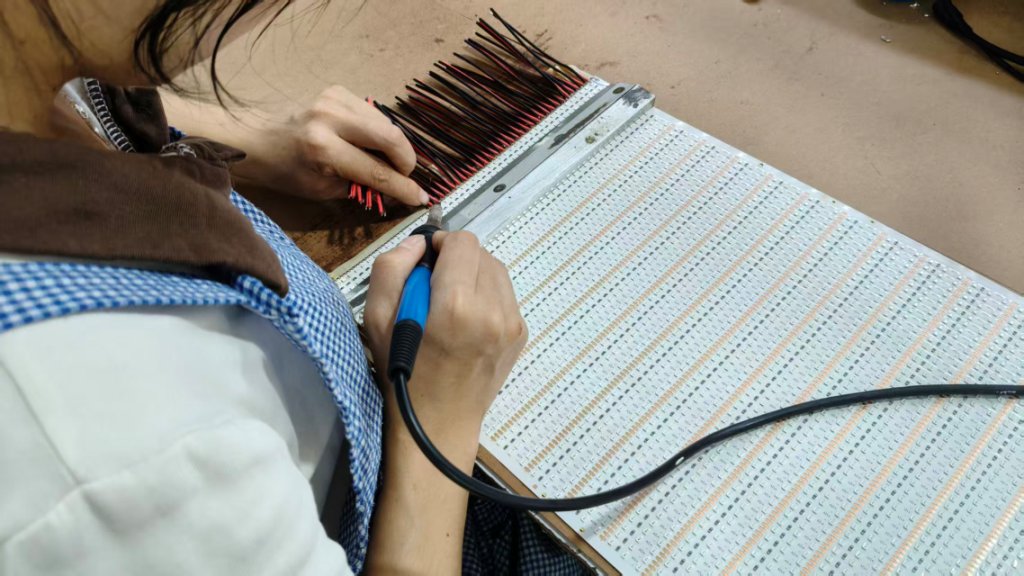
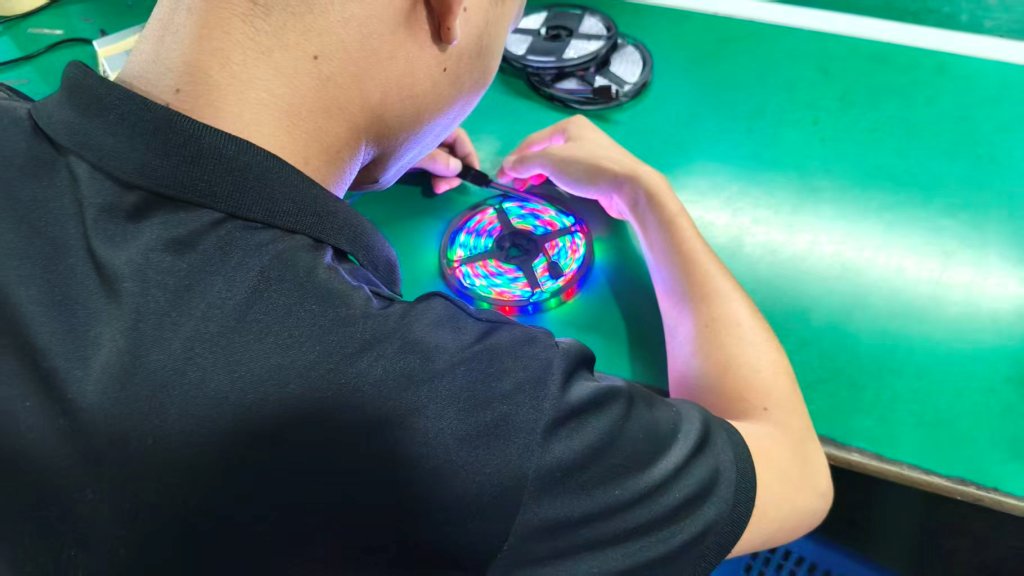
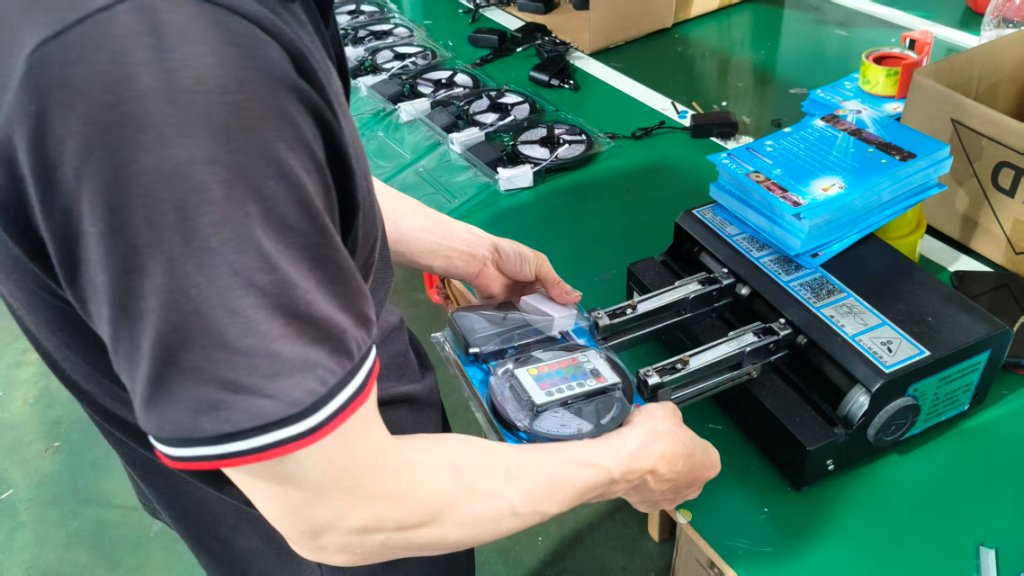
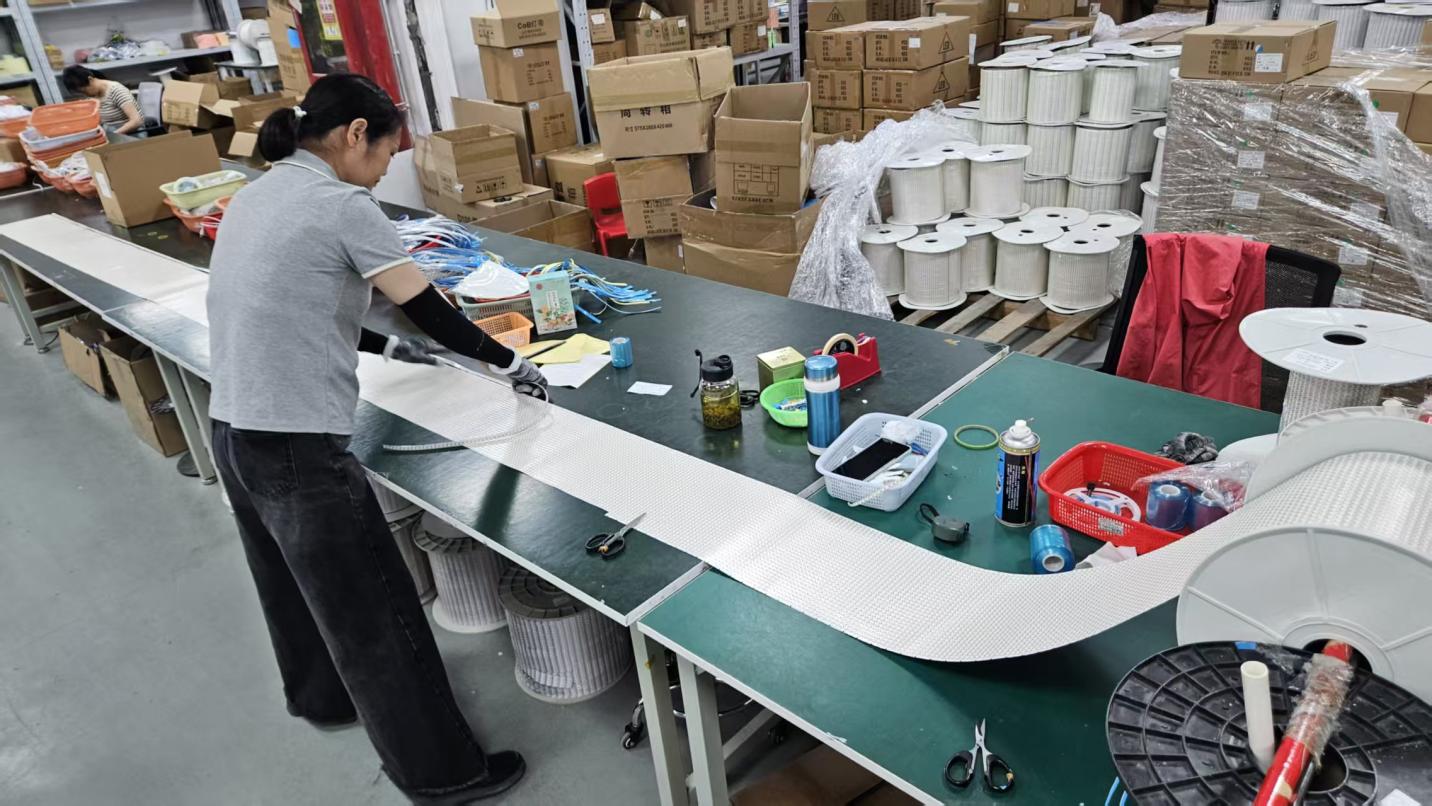
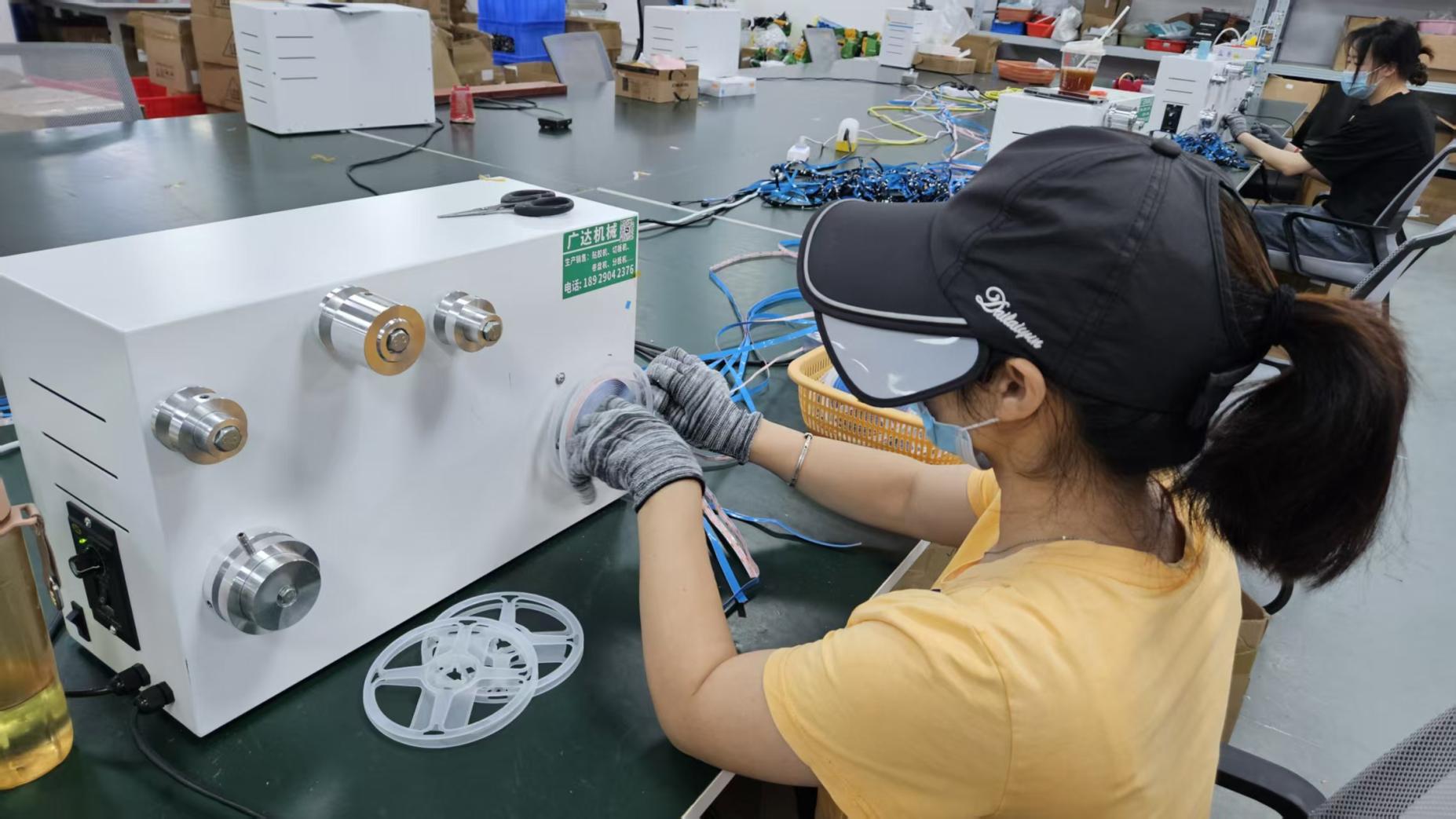
Explore our complete catalog of solar-powered and submersible lighting systems, engineered for resilience and performance.
A rigorous overview of the quality indicators required for sustainable project implementation in Central Africa.
Standard architectural outdoor lighting undergoes accelerated degradation in locations like Malabo and Bata due to maritime salt aerosols. Under high concentrations of sodium chloride, typical metal fasteners and non-UV treated polymers corrode and cloud. Our products employ SUS316 stainless steel hardware and UV-stabilized polycarbonate structural bodies. This prevents discoloration and stress-cracking, preserving optical transparency over multi-year cycles.
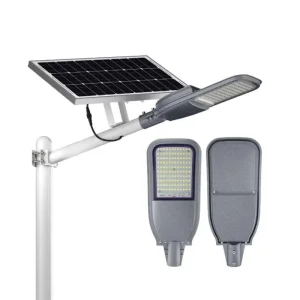
Although Equatorial Guinea benefits from intense tropical solar radiation, cloud coverage during the wet season (extending from May to October in Rio Muni, and dynamically shifting on Bioko Island) can significantly curtail daily sunlight hours. To compensate, Weisen Light integrates Grade-A monocrystalline silicon solar cells with a high conversion efficiency of over 21.5%, ensuring rapid battery replenishment even on overcast afternoons.
Weisen Light holds numerous design and engineering patents for waterproofing, battery enclosure architecture, and optical projection paths. When partnering with us, regional developers and wholesale distributors are assured of procuring patented, legitimate technology that stands out in the marketplace, minimizing litigation risks and establishing strong consumer trust.
Expert answers addressing the commercial, logistical, and technical requirements of importing solar floating lights to Equatorial Guinea.