Engineered to withstand high ambient ambient temperatures and variable mineral content. These premium fixtures provide uncompromised illumination for Bamako’s modern urban landscapes.
An Analysis of Architectural Lighting Demands in Extreme Arid and Sub-Saharan Urban Microclimates.
The Republic of Mali, particularly its rapidly urbanizing capital city of Bamako and key regional economic hubs like Kayes, Ségou, and Mopti, is experiencing a structural paradigm shift in commercial engineering and public space development. As public-private partnerships (PPPs) accelerate the deployment of civic plazas, premium hospitality estates, corporate headquarters, and municipal water conservation frameworks, the incorporation of advanced underwater optoelectronics has shifted from an aesthetic luxury to a vital element of urban cooling infrastructure and commercial asset appreciation.
Operating high-power electronics in sub-Saharan environments presents significant challenges. The unique climatic reality of Mali—characterized by high ambient temperatures that routinely exceed 45°C during the pre-monsoon heat waves, combined with intense dust loads carried by the Harmattan winds from the Sahara—demands a level of technical resilience far exceeding standard commercial-grade lighting. Traditional consumer-grade architectural illuminators fail rapidly under these conditions due to thermal runaway, particulate ingress, and micro-grid instability.
Furthermore, Mali's power distribution matrix exhibits voltage fluctuations that can severely impact sensitive solid-state lighting components. Project managers and mechanical, electrical, and plumbing (MEP) consultants in Bamako are increasingly specifying heavy-duty submersible systems featuring wide-input voltage tolerance, high surge protection ratings (minimum 4KV to 6KV), and intelligent digital multiplexing (DMX512) control protocols that decouple control signaling from power lines, ensuring seamless operability during localized grid events.
Technical Frameworks that Mitigate Heat, Dust, and Grid Variance in West African Deployments.
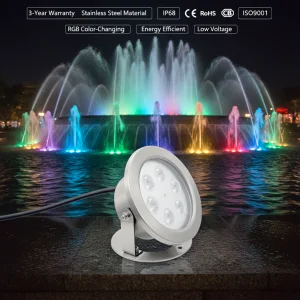
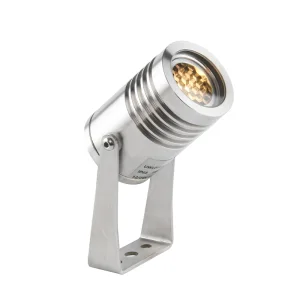
Unlike temperate climate applications where surrounding water acts as an efficient infinite heat sink, submersible installations in Mali often encounter elevated baseline water temperatures in public fountains and decorative retention ponds. To counteract this, our research and development division utilizes advanced computational fluid dynamics (CFD) to design high-surface-area radial cooling fins directly integrated into the stainless steel structural chassis. This thermal-decoupled design ensures that the heat generated by high-efficacy Cree or Osram LED chips is rapidly conducted away from the internal circuit boards, keeping junction temperatures well below the critical 85°C threshold and preventing accelerated lumen depreciation.
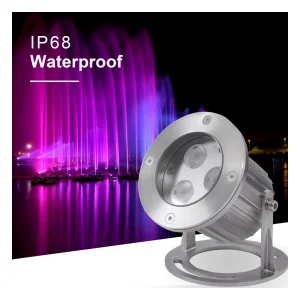
Fine Saharan dust particles represent an aggressive abrasive agent capable of compromising substandard rubber gaskets and mechanical seals. Our manufacturing standard mandates the exclusive use of high-density, anti-aging Viton or silicone mechanical seals paired with structural resin-filling techniques (polyurethane or premium optical-grade epoxy casting). This multi-tiered barrier system guarantees true IP68 hermetic performance, ensuring zero moisture or microscopic dust particulate bypass even when subjected to constant hydrostatic pressure variations during high-frequency musical fountain fountain pump sequencing.
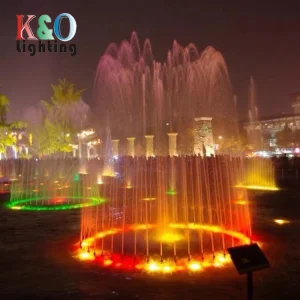
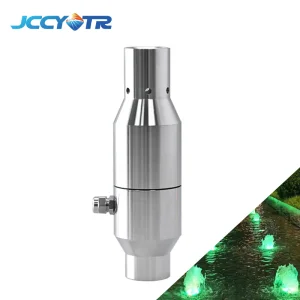
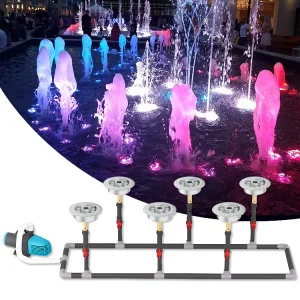
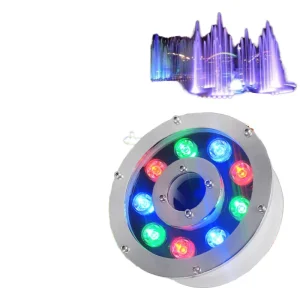
For large-scale public installations, such as dancing musical fountains in prestige civic developments, synchronization between hydraulic pressure valves and optoelectronic elements is critical. We engineer our internal control boards with native high-speed DMX512 processing chips featuring Remote Device Management (RDM) capabilities. This allows technical field operators in Mali to bidirectionally communicate with each individual underwater luminaire, monitoring operational health parameters, temperature feedback, and addressing pixel maps remotely from a centralized control bunker without requiring physical asset extraction from the water feature.
Leveraging 17+ Years of Shenzhen Engineering Heritage to Empower West African Growth.
Established in 2016, Shenzhen Weisen Light Co., Ltd. is a dynamic and innovative high-tech enterprise dedicated to the research, development, and global supply of cutting-edge LED lighting solutions. With a mission to "Illuminate Life with Innovation and Elegance," we continuously strive to bring creative, high-quality products that make life more vibrant and beautiful for customers worldwide.
Our manufacturing roots date back to 2009. With over 17 years of deep-rooted expertise in the LED lighting industry, our factory has evolved into a robust production hub. We specialize in a diverse and comprehensive portfolio of lighting solutions, including indoor & outdoor lighting, eco-friendly solar-powered LED products, and specialized waterproof lighting systems engineered specifically for swimming pools, public fountains, and harsh industrial water retention environments.
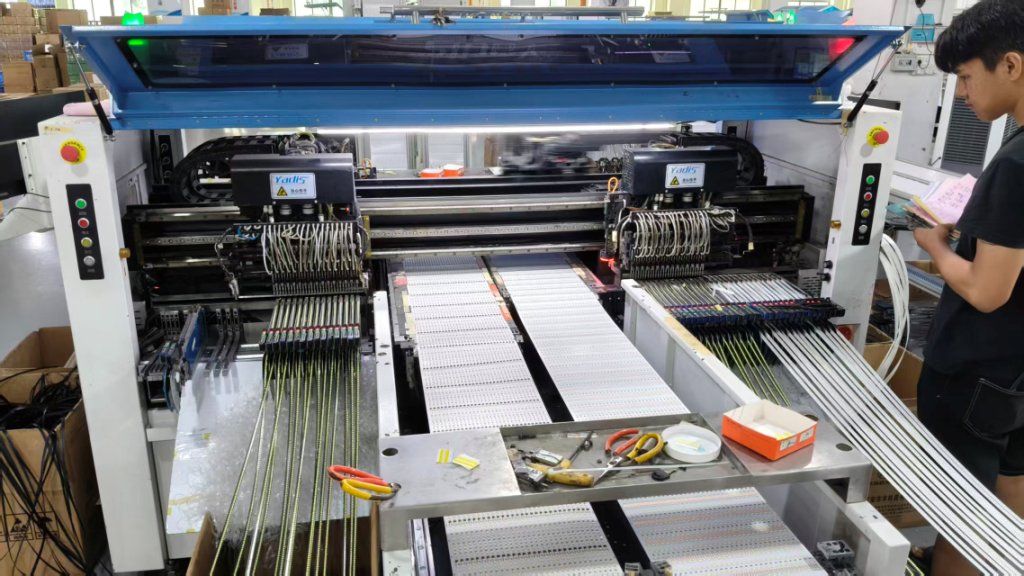
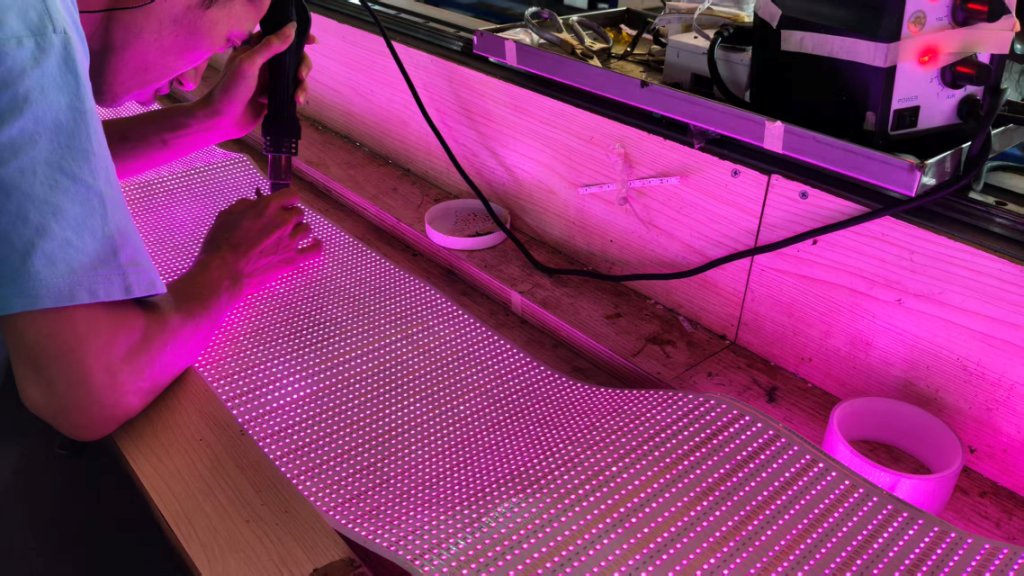
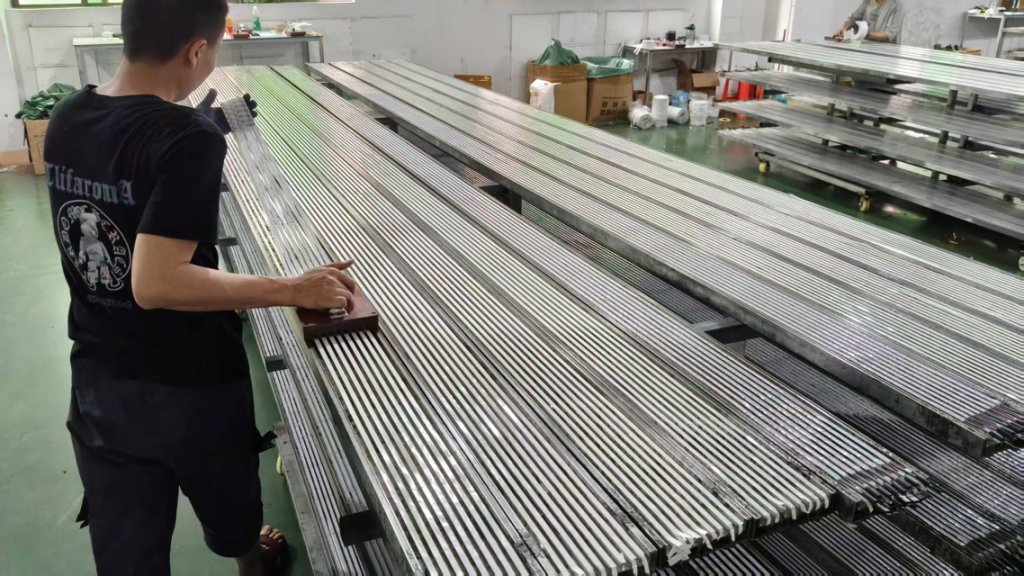
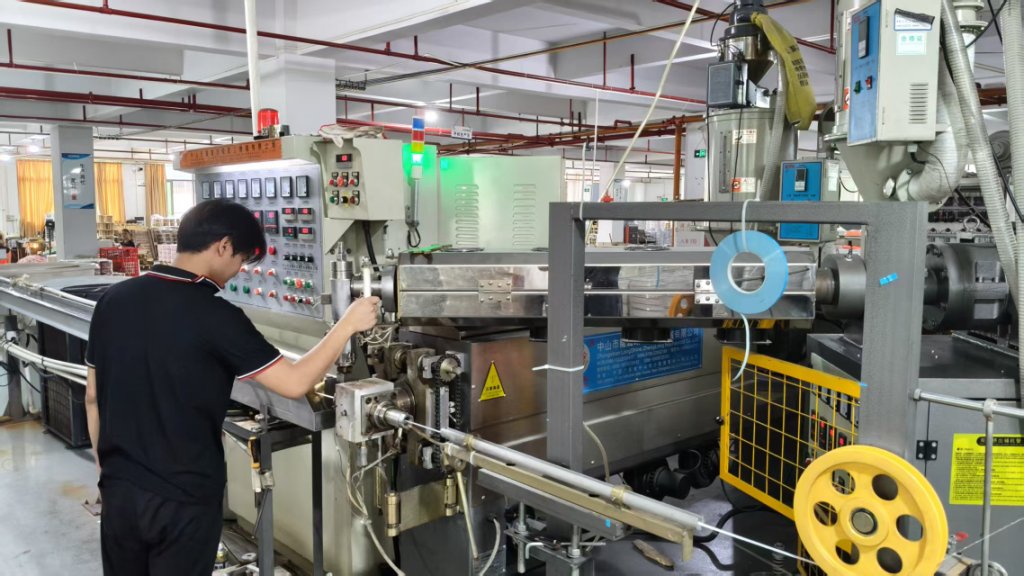
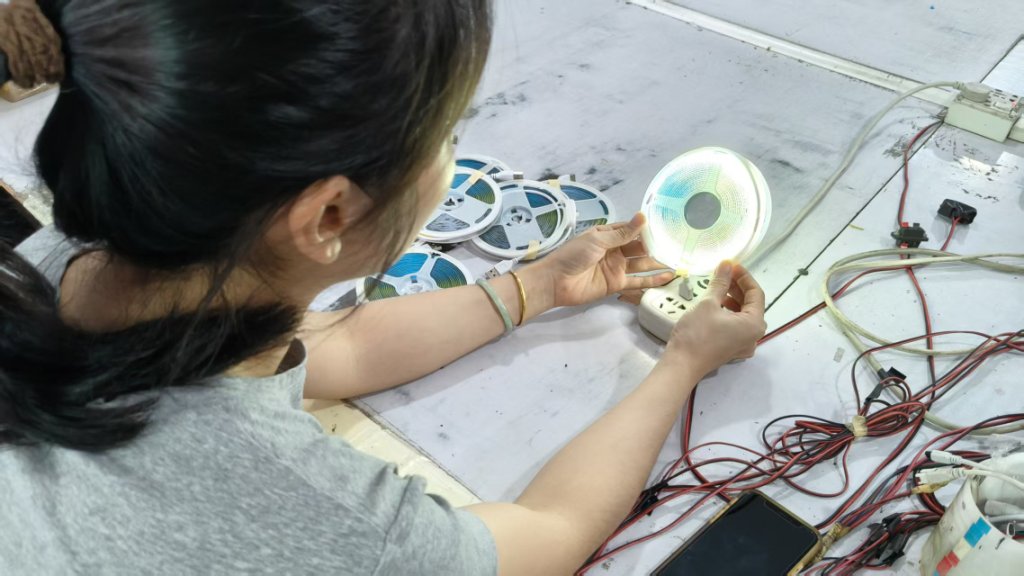
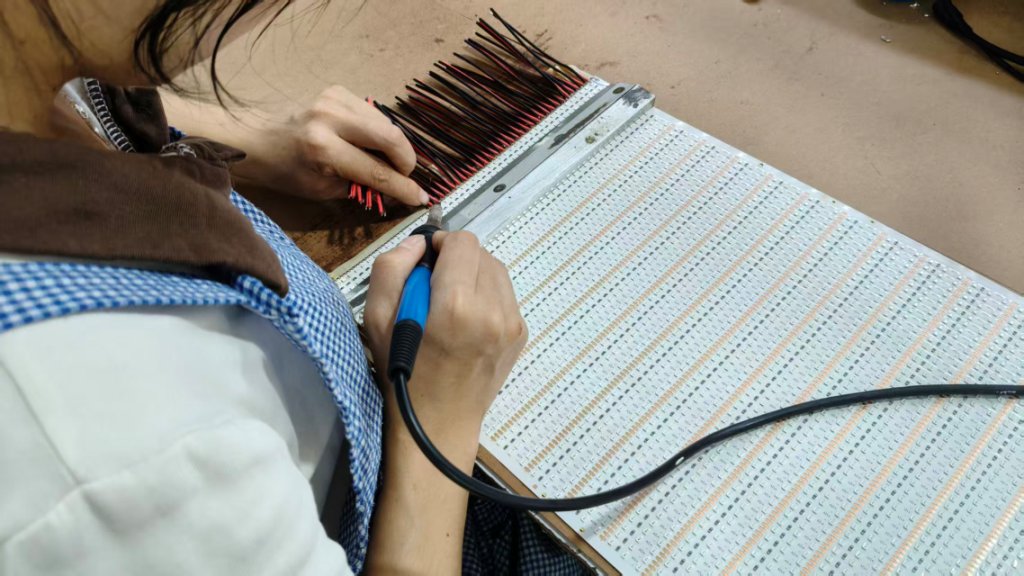
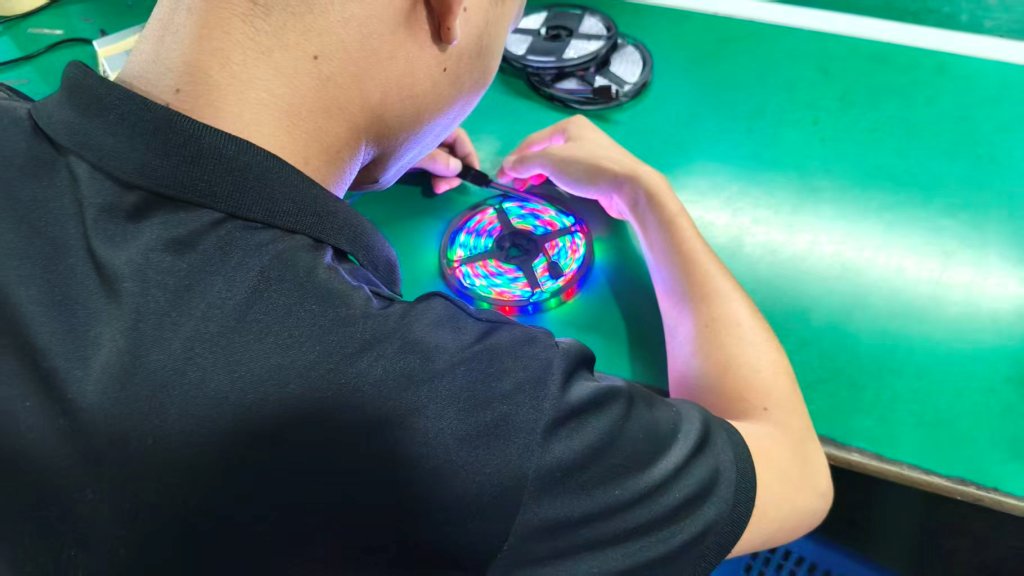
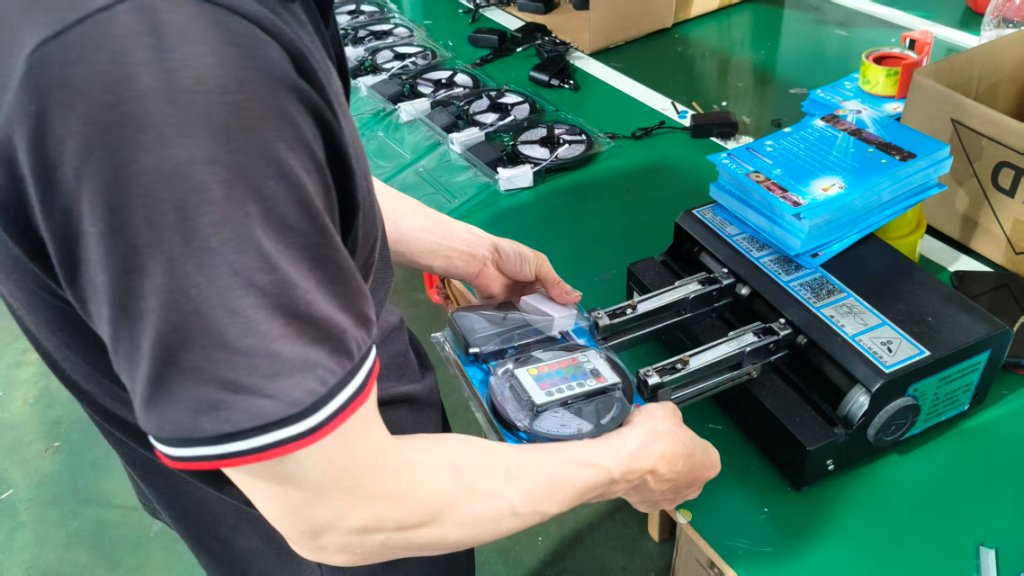
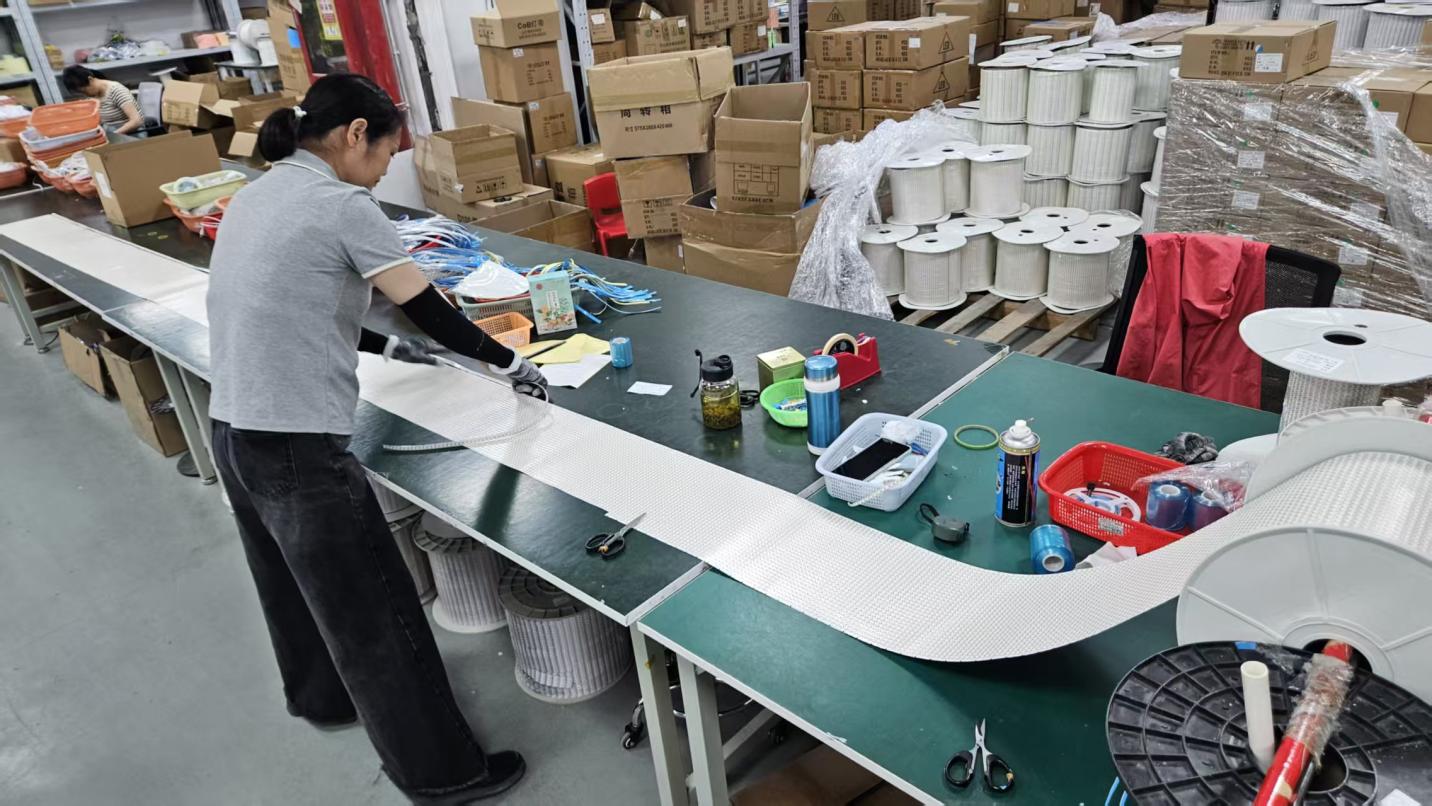
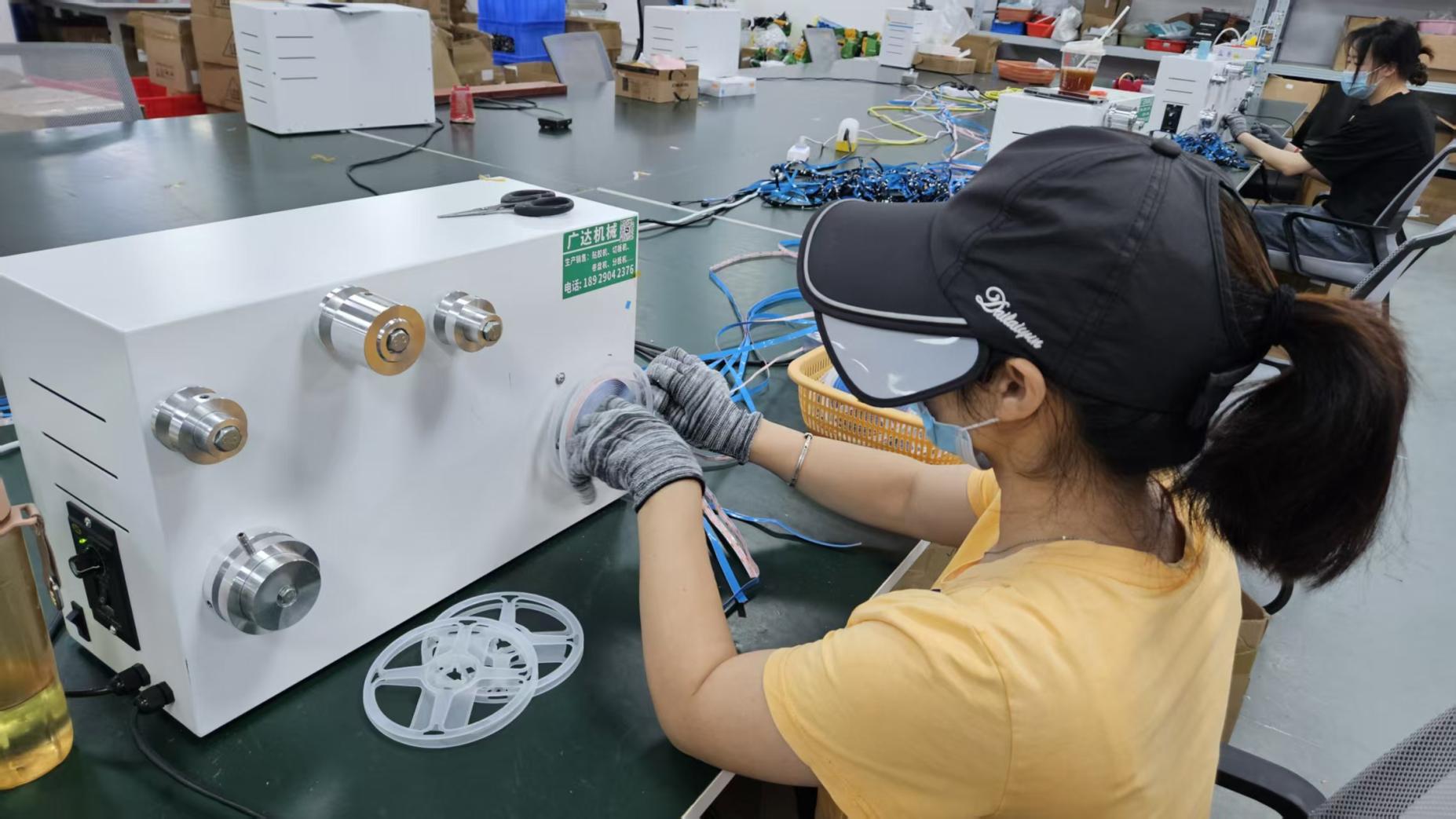
Every single submersible luminaire destined for the Malian market undergoes a rigorous, fully audited multi-stage production protocol within our specialized Shenzhen facility. This guarantees absolute compliance with international engineering safety guidelines.
Tailored Solutions for Commercial Developments, Eco-Resorts, and Civic Water Spaces.
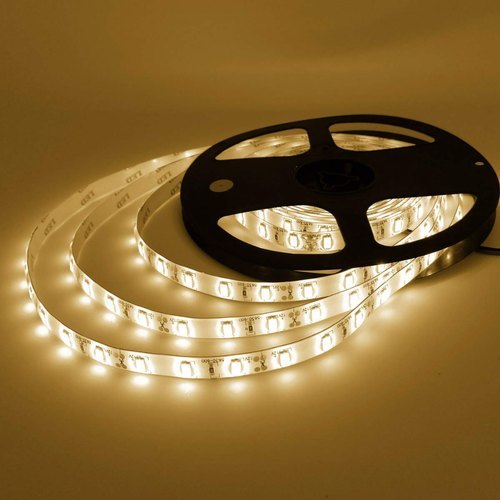
Our comprehensive portfolio of submersible LED systems is specifically customized to align with the unique aesthetic and architectural trends emerging across West Africa:
Ensuring Secure Transit, High Regulatory Alignment, and On-Site Installation Support.
Navigating cross-border procurement for large-scale engineering projects requires strict logistical oversight and compliance validation. Shenzhen Weisen Light Co., Ltd. ensures a frictionless commercial procurement lifecycle through extensive specialized services:
Our entire manufacturing process complies fully with CE, RoHS, and international IP68 waterproof standards. We provide complete certification documentation packages required by Malian customs authorities and international engineering inspection firms overseeing infrastructure execution.
To shield delicate optical equipment from maritime moisture during shipping and high dust exposure during overland transport from regional ports (such as Dakar or Abidjan) to Bamako, all shipments are packed in multi-layered, hermetically sealed, anti-static vacuum crates with internal desiccant matrices.
We provide complete IES photometric data files, detailed CAD structural drawings, and wiring topology schematics. This empowers local electrical contractors in Mali to achieve error-free installation, matching correct voltage drop balances across extended underwater cable runs.
High-Performance Optoelectronic Configurations Available for Direct Factory Order and Custom Engineering Provisioning.
Architectural and Engineering Guidance for Procuring Submersible Optoelectronics in West Africa.
Water resources in Mali, particularly when sourced from ground aquifers or river networks, often contain elevated mineral concentrations and suspended silt. Standard aluminum or plastics degrade quickly under thermal stress or suffer galvanic corrosion. Stainless steel (SUS304/316) provides superior resistance to scaling, structural pitting, and physical degradation from abrasive wind-borne sand particles.
Our commercial-grade fixtures operate via external constant-current drivers designed with wide-voltage input profiles (typically tolerating variations from 90V to 264V AC or using step-down safety DC12V/24V systems). These drivers feature built-in metal oxide varistors (MOVs) providing high-grade transient surge protection up to 6KV, isolating the sensitive LED array from destructive grid events.
Extreme temperature cycles in arid regions cause materials to expand and contract at different rates. Over time, traditional rubber compression gaskets can warp, leading to capillary water ingress. Filling the internal electronics chamber completely with high-transmittance polyurethane structural resin eliminates air voids, providing a permanent moisture barrier that maintains true IP68 performance despite continuous thermal fluctuations.
Yes. Our optoelectronic control architectures operate on open-standard USITT DMX512-A communication protocols. This ensures native compatibility with major global brands of programmable logic controllers (PLCs), frequency inverters, and commercial fountain pumps used throughout the West African engineering landscape.
Standard fabrication and quality verification require 15 to 20 business days depending on volume customization. Transportation can be expedited via air freight directly to Bamako International Airport (Senou) within 7 to 10 days, or managed via ocean transit through regional container gateways (Dakar/Abidjan) followed by secured overland rail/freight links.
Ready to specify industrial-grade submersible illumination for your next development project?
Initiate Enterprise RFQ Protocol Now