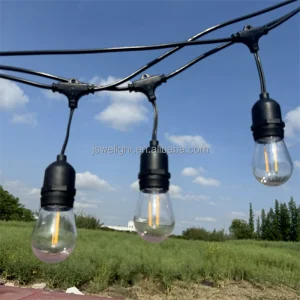
The global motion sensor LED lighting market is projected to reach $12.5 billion by 2028, driven by the shift toward energy-efficient smart cities. In North America and Europe, stringent energy regulations like Title 24 and ErP have transformed sensor-based lighting from a luxury to a baseline requirement.
Motion-activated systems provide an average of 35% to 60% energy savings compared to standard LED fixtures by ensuring light is only utilized when human presence is detected. This reduction in "phantom load" is critical for industrial ESG goals.
Warehousing and logistics hubs are the primary adopters, utilizing high-bay motion LEDs to manage vast footprints. Integration with IoT allows for "lighting-as-a-service" models, enhancing operational safety and reducing maintenance overhead.
Understanding the "Information Gain" in sensor technology is vital for B2B buyers. It is no longer just about turning a light on; it is about the precision of detection and the durability of the driver.
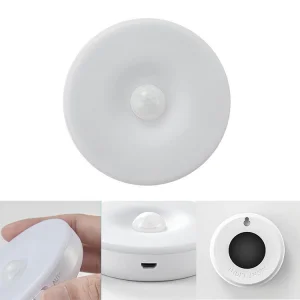
The standard for residential use. PIR sensors detect heat signatures (infrared energy) from the human body. Our latest PIR modules feature Fresnel lenses that minimize false triggers from pets or fluctuating temperatures.
Ideal for industrial settings. These sensors emit high-frequency radio waves. They can "see" through thin walls and glass, making them perfect for hidden installations or security-sensitive areas.
The future of the industry. Utilizing deep learning algorithms to distinguish between a person walking and a fan moving, significantly reducing energy waste in complex commercial environments.
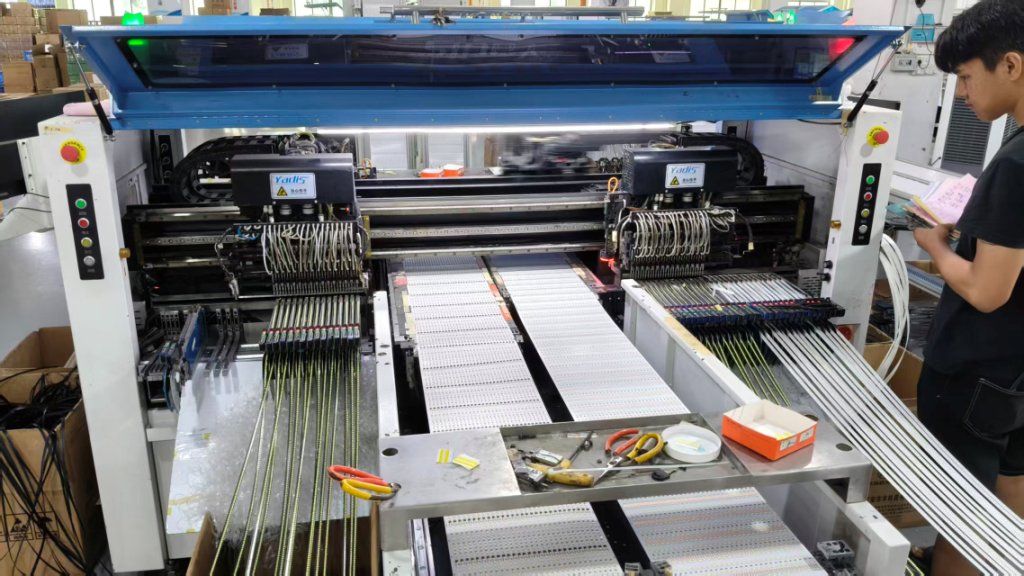
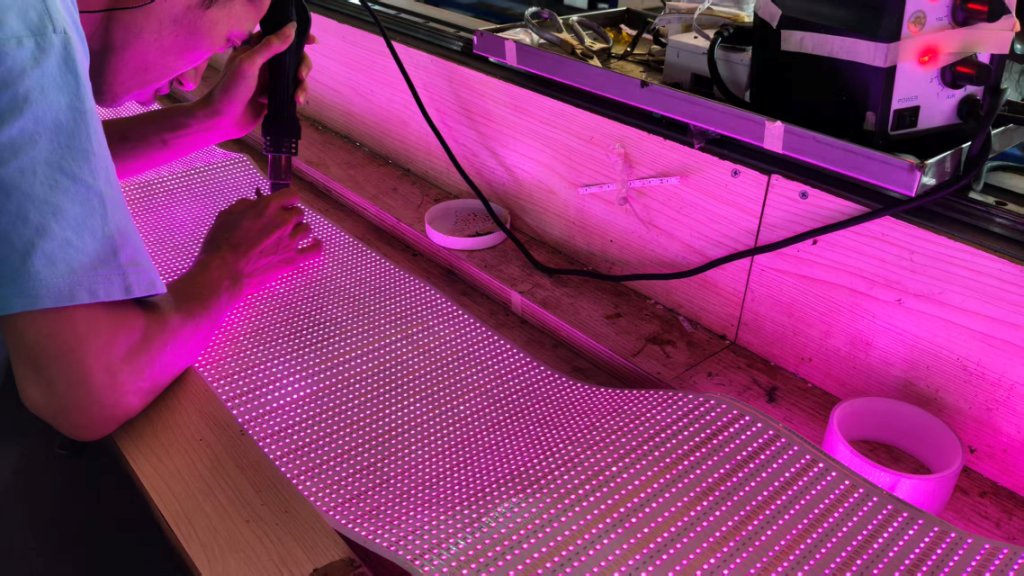
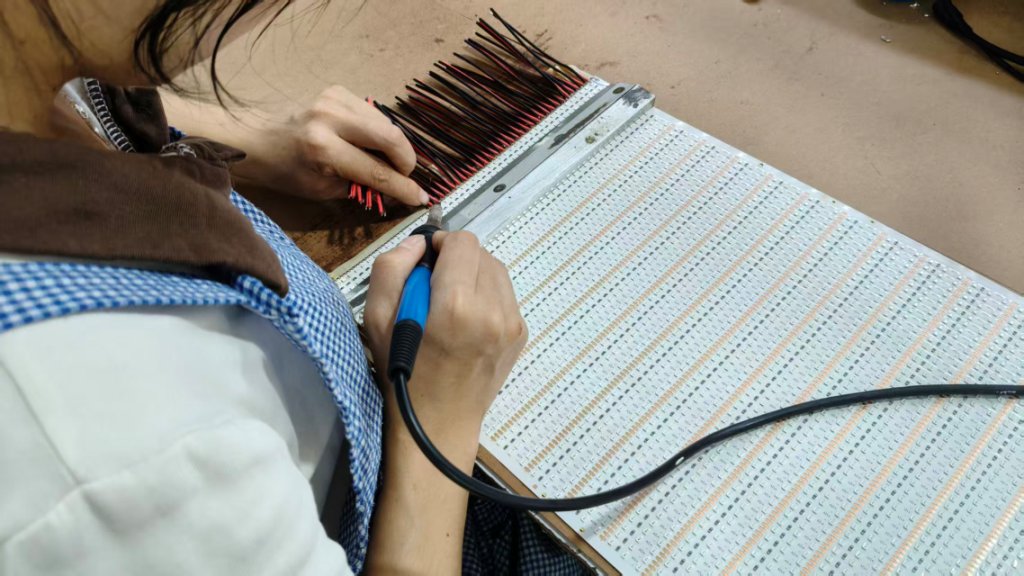
EEAT Principle: When selecting a supplier, prioritize those who offer "Constant Current Drivers" with 10KV surge protection. Motion-activated lights cycle through power on/off states thousands of times; without high-quality capacitors, the lifespan is halved. Shenzhen Weisen Light utilizes premium chips and SMT technology to ensure stability across 50,000 switching cycles.
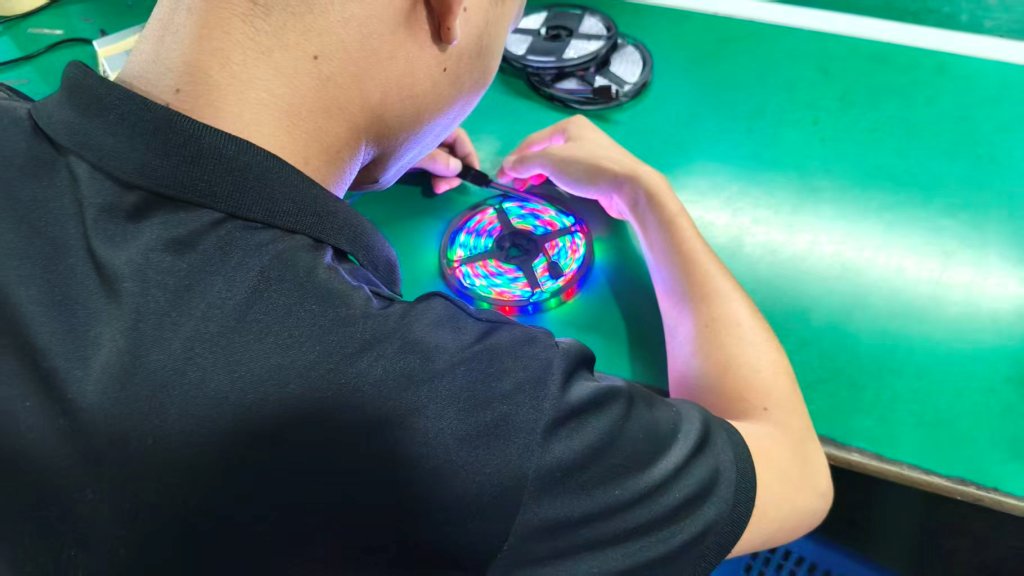
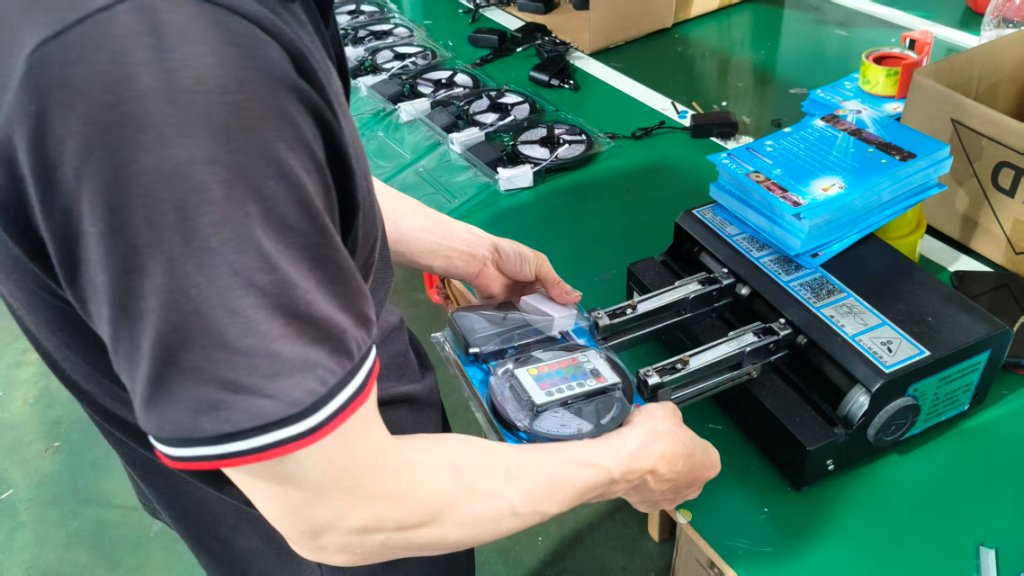
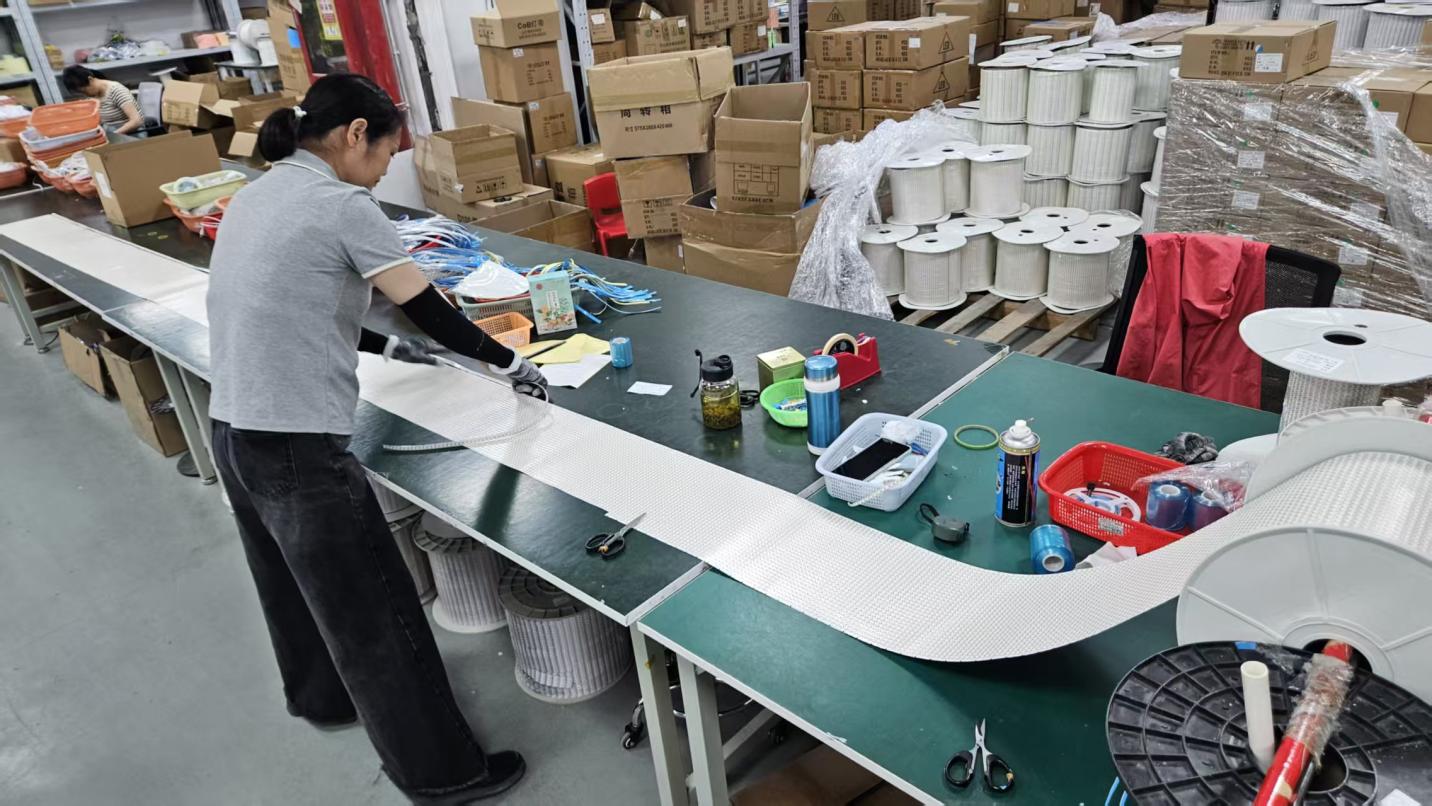
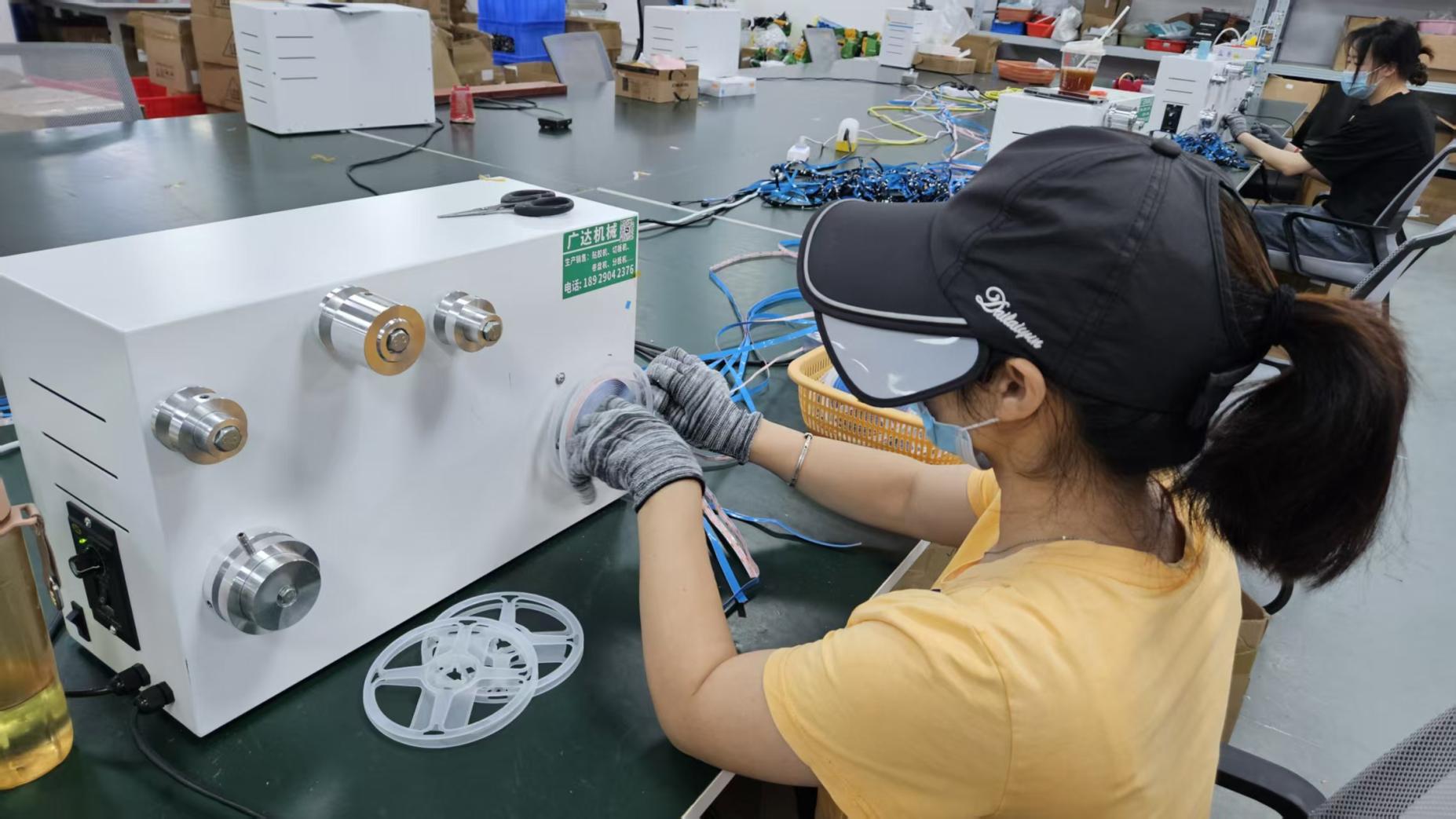
Established in 2016, Shenzhen Weisen Light Co., Ltd. is a dynamic and innovative high-tech enterprise dedicated to the research, development, and global supply of cutting-edge LED lighting solutions. With a mission to "Illuminate Life with Innovation and Elegance," we continuously strive to bring creative, high-quality products that make life more vibrant and beautiful for customers worldwide.
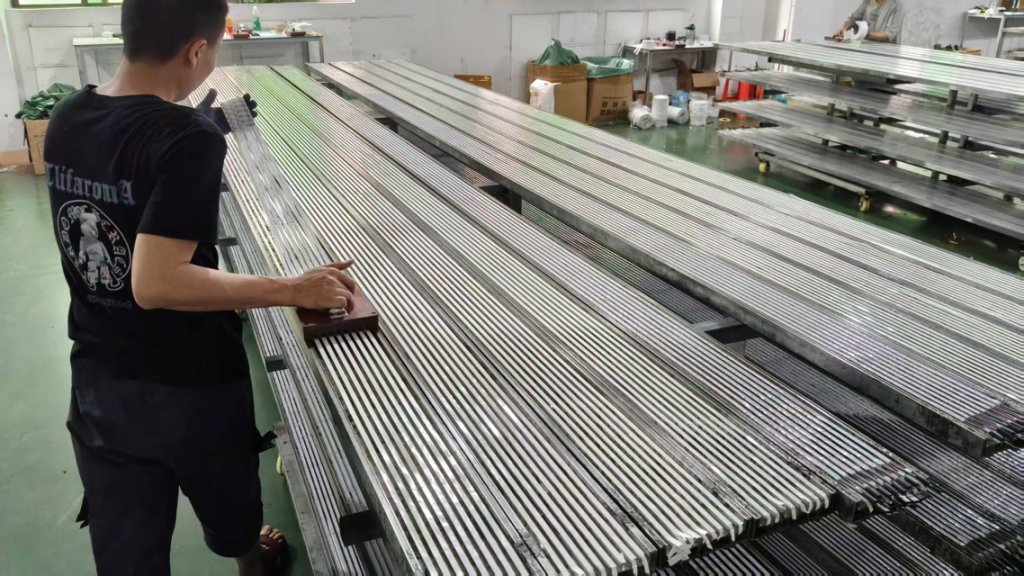
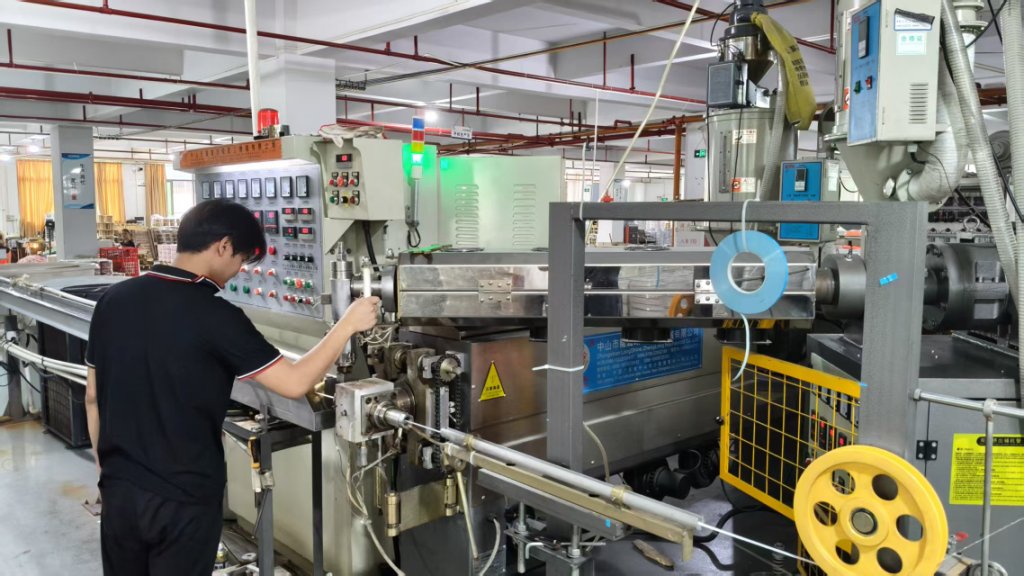
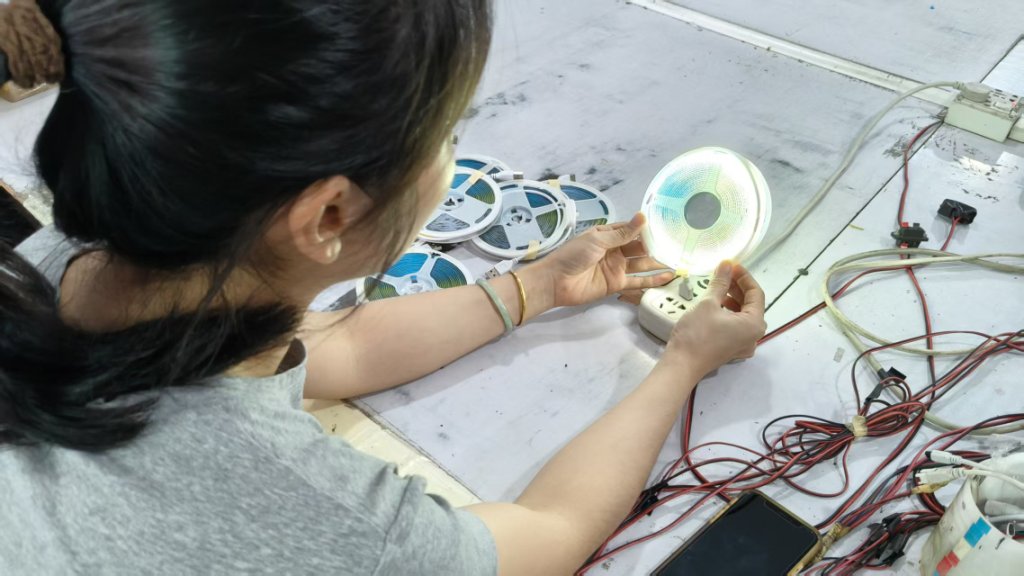
Our manufacturing roots date back to 2009. With over 17 years of deep-rooted expertise in the LED lighting industry, our factory has evolved into a robust production hub. We specialize in:
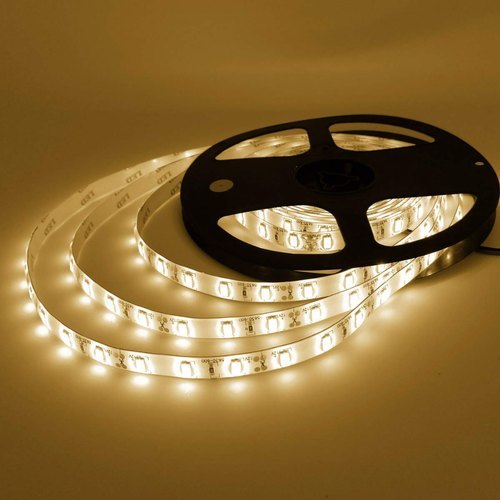
In Europe and North America, motion-activated floodlights are the first line of defense against burglary. Integration with smart doorbells and Wi-Fi alerts is now a standard requirement for these localized markets.
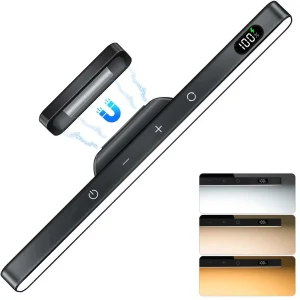
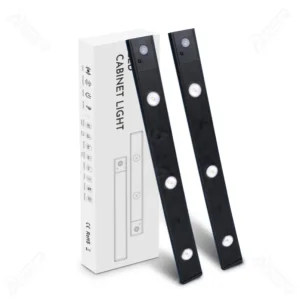
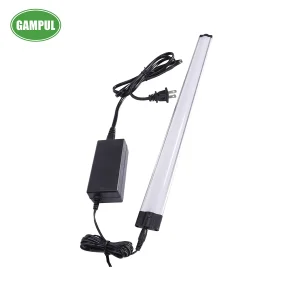
Hands-free illumination is essential in modern minimalist kitchen design. Ultra-slim LED bars with rechargeable batteries allow for tool-free installation under cabinets, enhancing utility without wiring costs.
PIR magnetic night lights are crucial in senior living facilities and hotels, preventing falls by providing instant pathfinding lighting that turns off automatically, preserving battery life.
For commercial offices, motion lights tied to DALI or Zigbee systems help buildings achieve LEED certification by ensuring no room is lit while unoccupied.
The next decade of motion-activated lighting will be defined by Human-Centric Lighting (HCL). Sensors will not only detect movement but also measure ambient light levels and adjust color temperature (CCT) from 2700K to 6500K to match human circadian rhythms. This is particularly relevant for the healthcare and education sectors, where lighting quality directly impacts productivity and well-being.
Furthermore, Matter Compatibility is becoming the holy grail of interoperability. As a leading China factory, Weisen Light is investing in chips that allow our motion sensors to communicate seamlessly with Apple HomeKit, Amazon Alexa, and Google Home without proprietary hubs. This reduces friction for end-users and increases the "stickiness" of the product ecosystem.
On a macro level, Sustainable Material Sourcing is no longer optional. The industry is moving toward biodegradable plastics and recycled aluminum for light housings, alongside solar-powered integration. By 2030, we expect motion sensor LEDs to be self-sustaining, powered entirely by ambient light or kinetic energy harvesting.