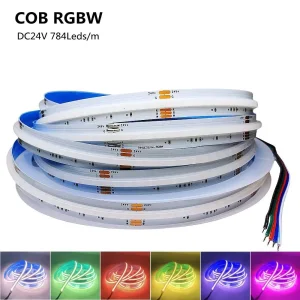
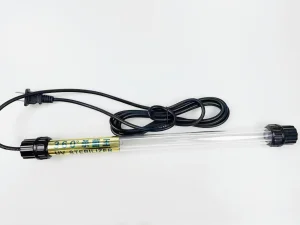
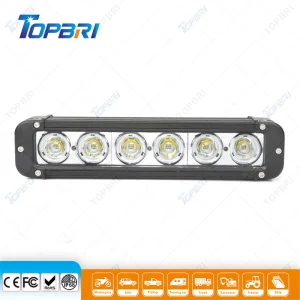
Engineered for architectural resilience, high conversion efficiency, and multi-environment adaptability.
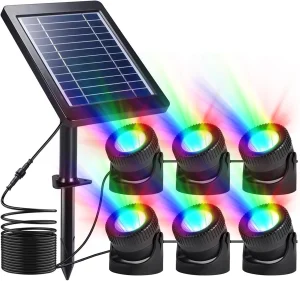
How solar landscape lighting is evolving from residential ornaments to smart, policy-driven municipal assets.
Global architectural standards (LEED, BREEAM) now mandate self-sustaining exterior lighting. Solar garden stake lights are no longer secondary fixtures; they are integral to net-zero building valuations worldwide.
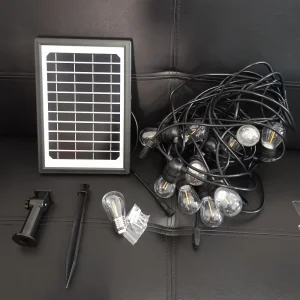
Modern commercial sites require monocrystalline silicon PV modules with conversion efficiencies exceeding 22%, paired with high-capacity LiFePO4 batteries to sustain consistent brightness during multi-day overcast periods.
Commercial stakeholders are shifting to IoT-enabled garden lights utilizing Zigbee or Bluetooth mesh protocols. These nodes coordinate light cycles, sense ambient motion, and report diagnostic metrics back to centralized BMS platforms.
Across North America, Europe, and Asia-Pacific, urban planners and commercial developers are replacing grid-connected landscape lights with advanced solar stake arrays. This transition eliminates massive trenching, wiring, and labor costs associated with traditional electrical installations. By utilizing low-voltage solar power, municipalities reduce carbon footprints while avoiding electrical shock hazards in public parks, water features, and high-foot-traffic greenways.
From an investment return (ROI) perspective, high-end solar stake lights pay for themselves within 12 to 18 months of commissioning. This rapid amortization is driven entirely by the omission of complex wiring runs, conduit requirements, trenching certifications, and ongoing utility fees. As modern cities implement smart-city mandates, lighting systems are required to operate independently from the primary electrical grid, proving that localized photovoltaic production is the key to municipal resiliency.
Why sourcing from Shenzhen's leading industrial nodes provides unprecedented technical and pricing leverage.
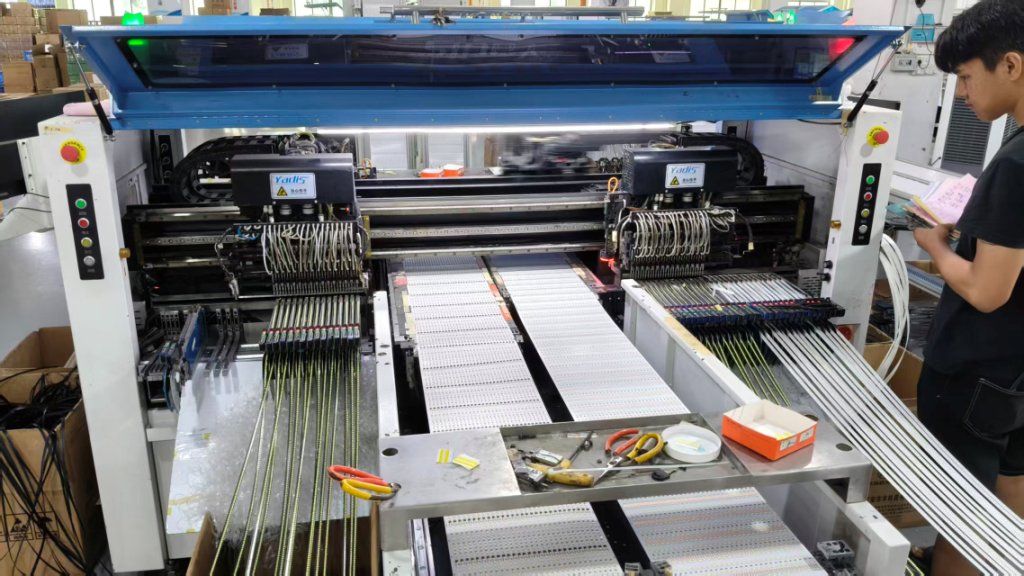
The global dominance of Chinese solar lighting manufacturers stems from an unparalleled vertical integration of components. Centered in the Pearl River Delta, specifically within the Shenzhen high-tech hub, factories have immediate access to raw silicon processing, SMT (Surface Mount Technology) assembly lines, high-grade PMMA/polycarbonate injection molding, and state-of-the-art laboratory testing. This high density of specialized sub-contractors reduces supply-chain lag times to virtually zero.
By grouping component suppliers—such as IC driver manufacturers, LED packaging plants, and lithium cell packagers—within a 50-kilometer radius, factories like Shenzhen Weisen Light Co., Ltd. can rapidly prototype custom designs. This layout enables rapid iteration from initial CAD modeling to finished, field-ready solar lights in days, compared to the months required in less integrated markets.
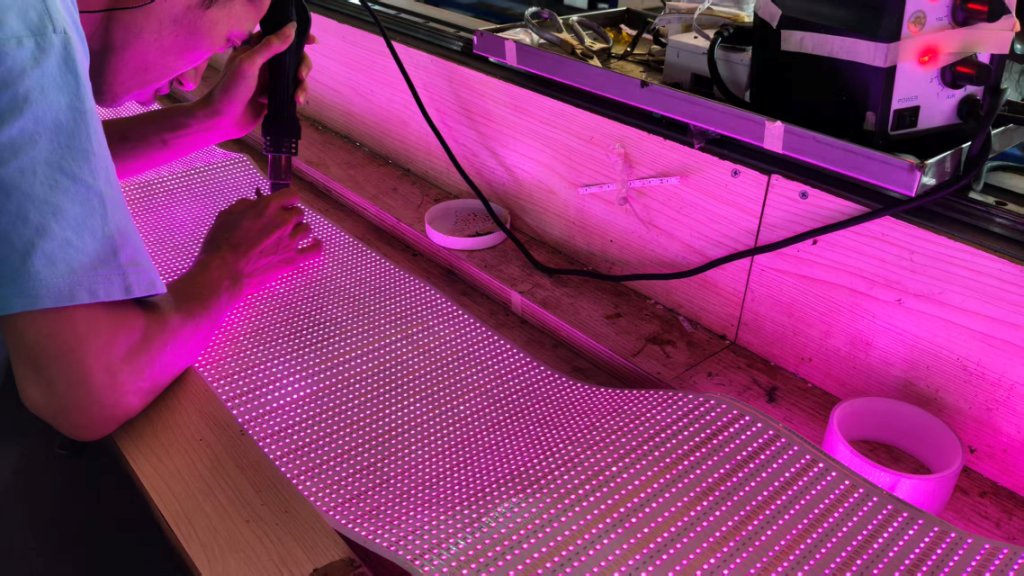
This geographic ecosystem ensures strict adherence to international standardizations. Shenzhen's leading export facilities run automated testing processes covering high-low temperature chamber cycles, salt spray tests for seaside deployments, UV degradation chambers, and integrated sphere photometric diagnostics. This system ensures that every solar garden stake light leaving the port matches the promised luminous flux, color temperature, and battery life expectancy.
Established in 2016, building on manufacturing foundations laid in 2009.
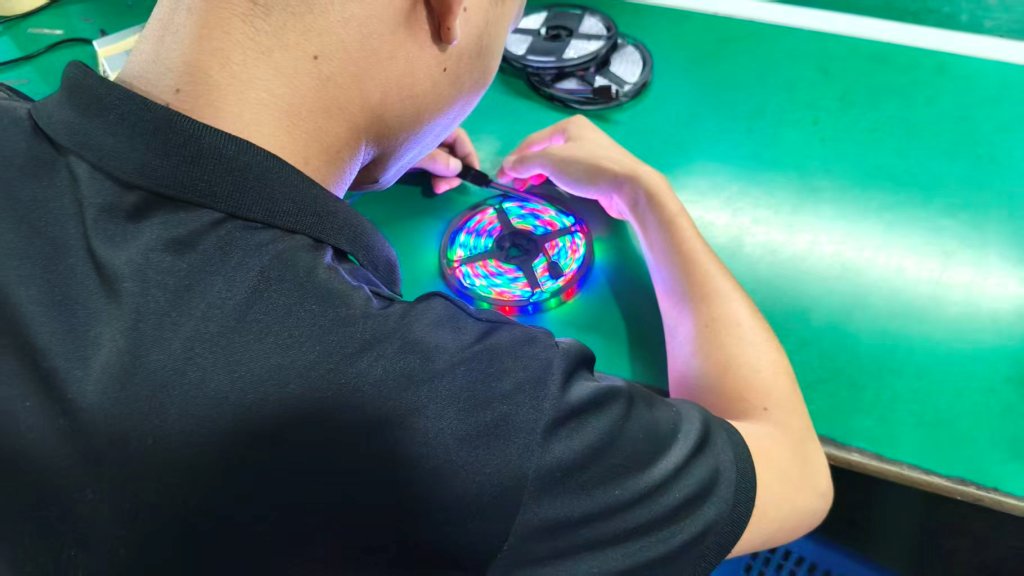
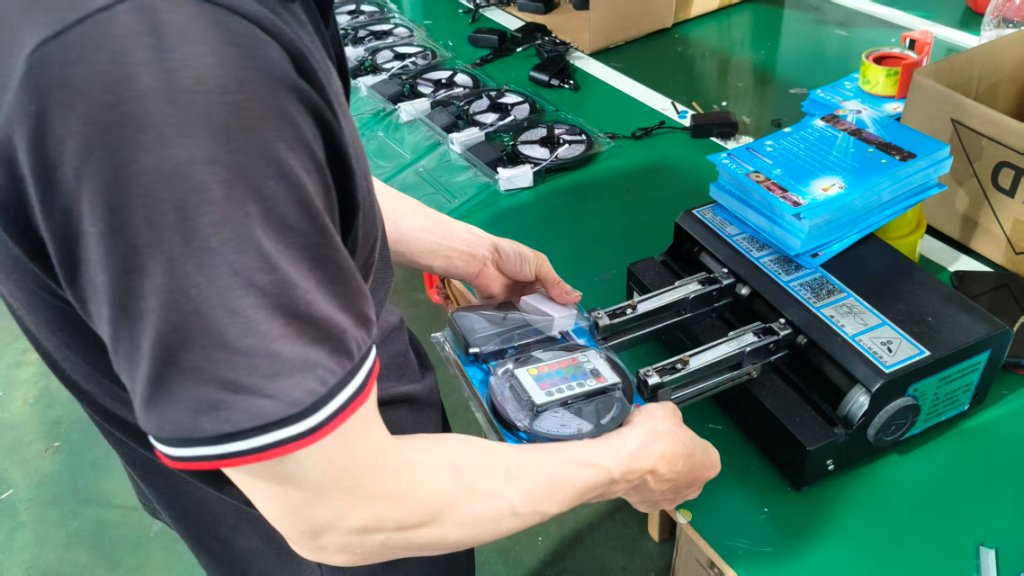
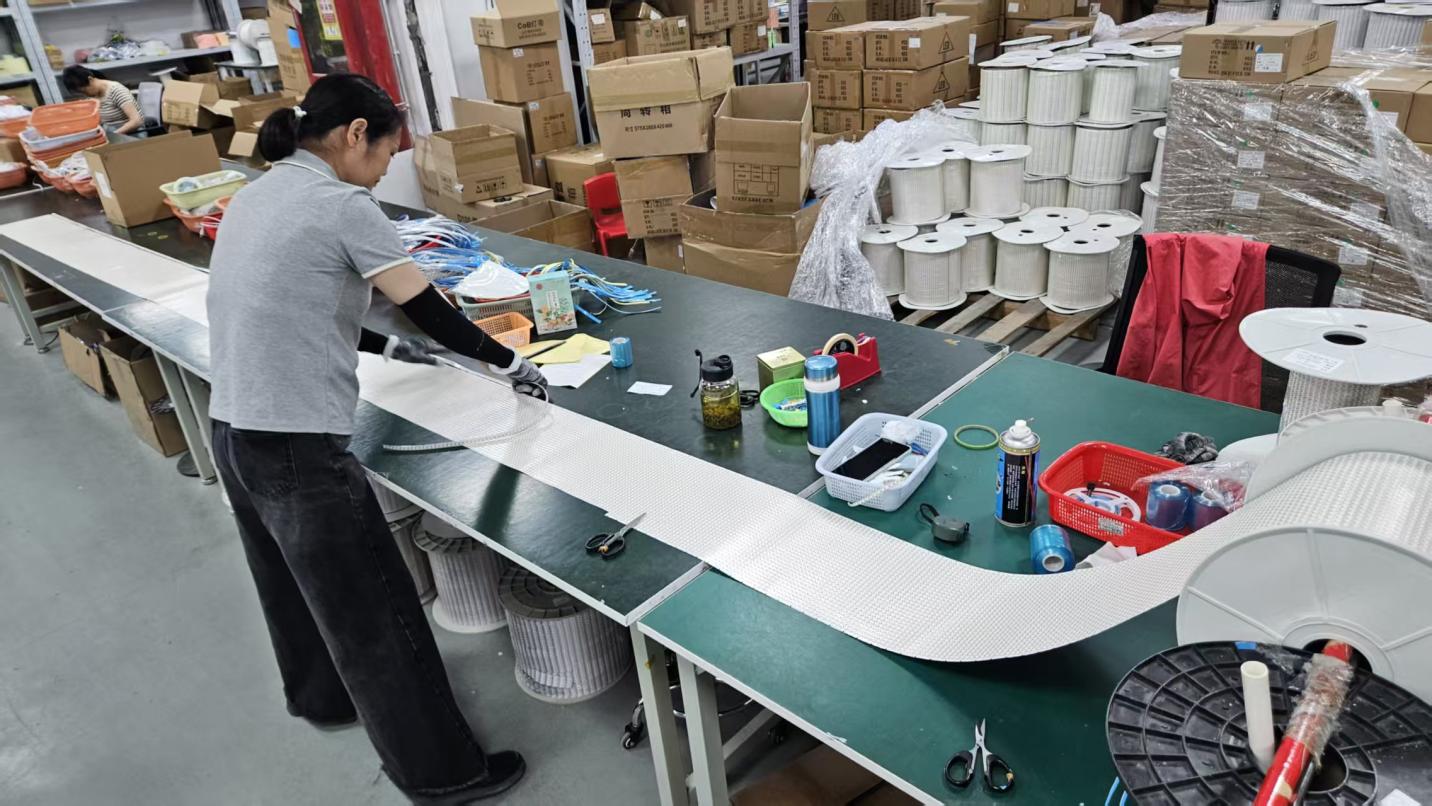
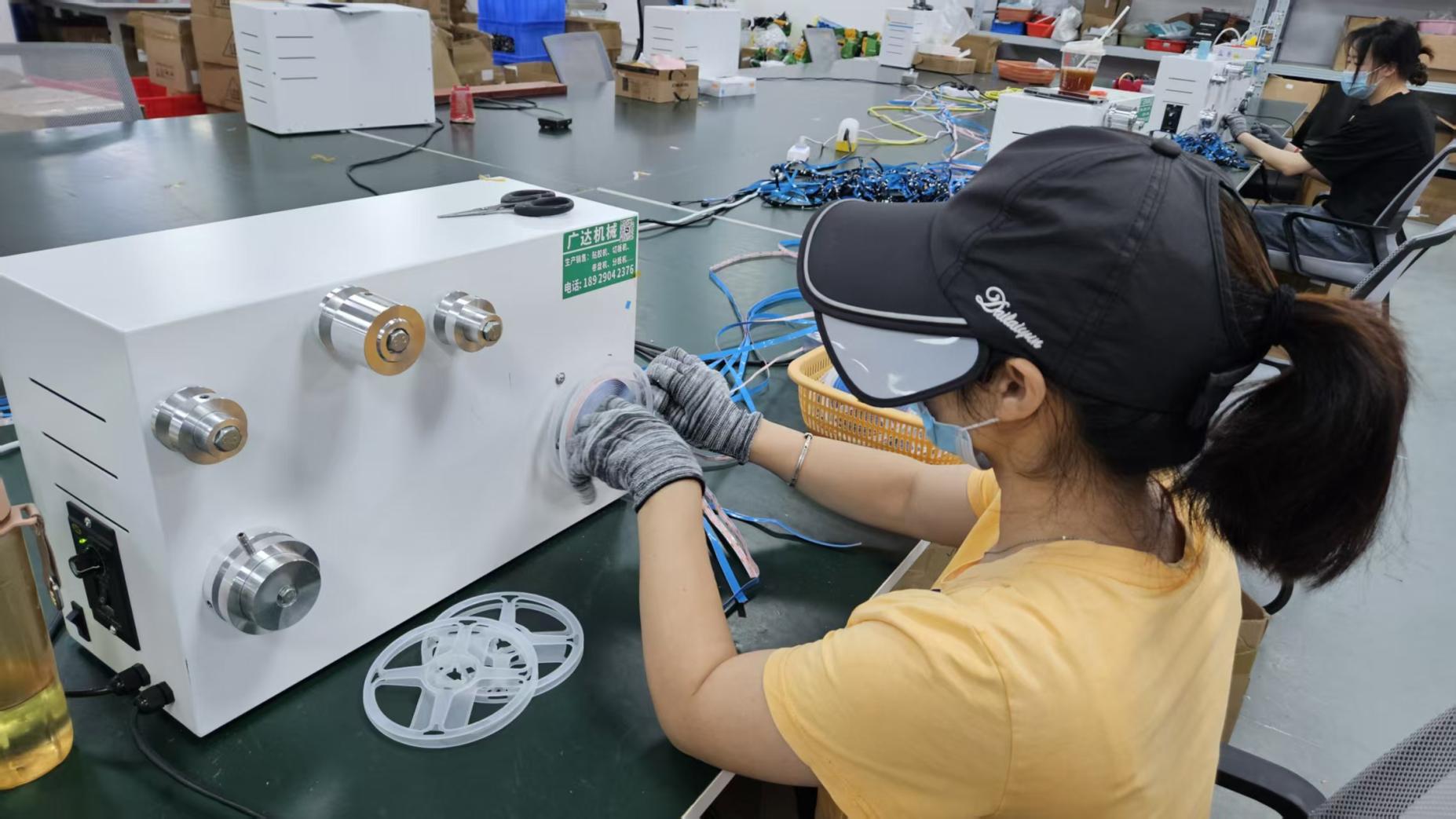
Shenzhen Weisen Light Co., Ltd. is a dynamic and innovative high-tech enterprise dedicated to the research, development, and global supply of cutting-edge LED lighting solutions. With a mission to "Illuminate Life with Innovation and Elegance," we continuously strive to bring creative, high-quality products that make life more vibrant and beautiful for customers worldwide.
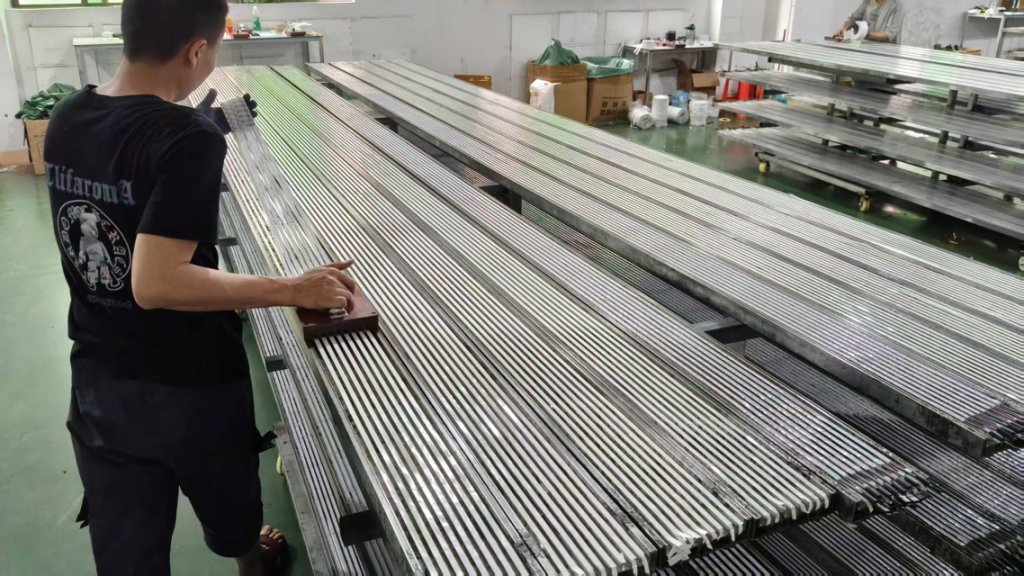
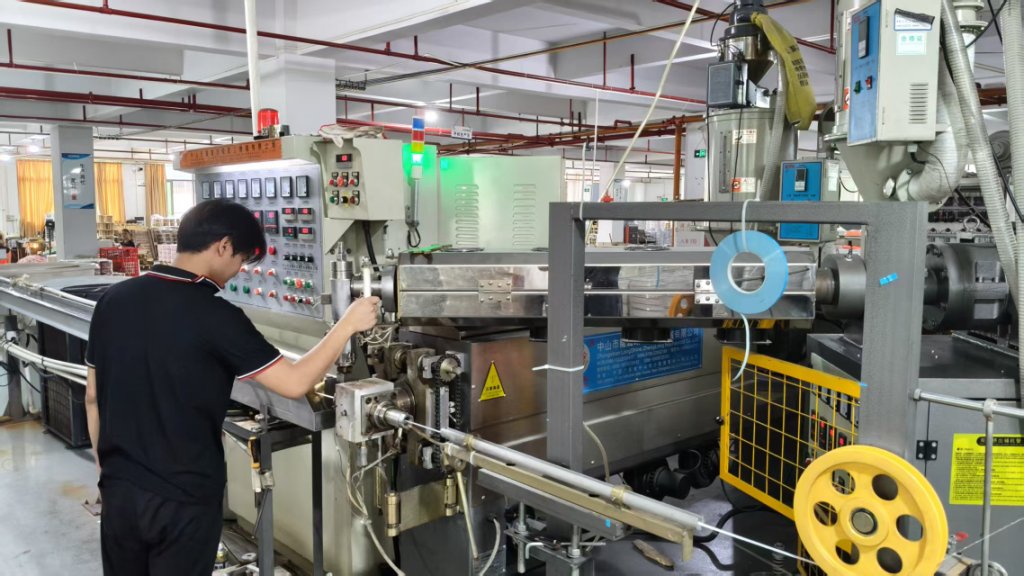
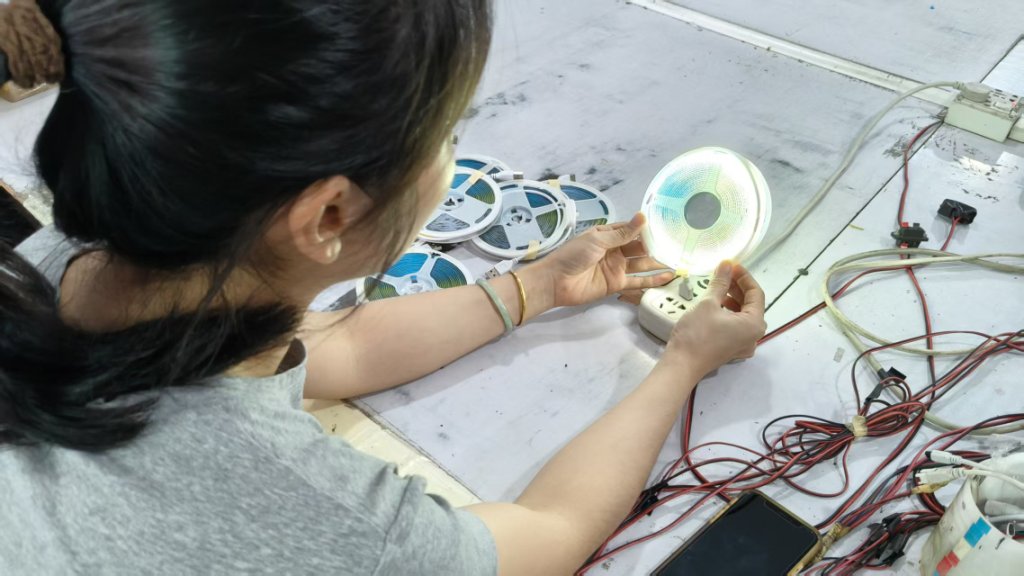
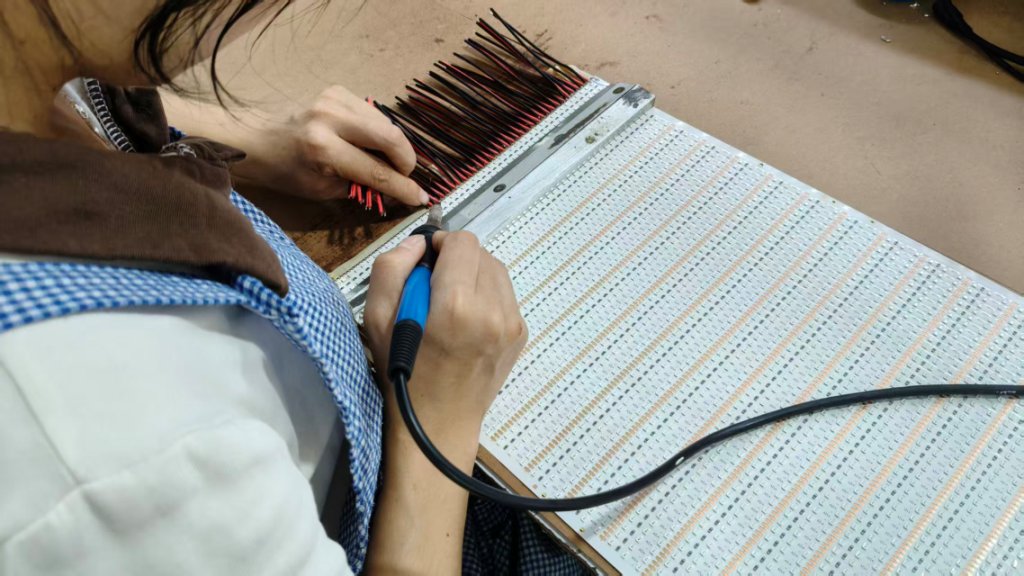
Our manufacturing roots date back to 2009. With over 17 years of deep-rooted expertise in the LED lighting industry, our factory has evolved into a robust production hub. We specialize in a diverse and comprehensive portfolio of lighting solutions, including:
Why Choose Weisen Light? We maintain a strong R&D program and extensive intellectual property, securing a robust portfolio of patents to keep global partners ahead of market trends. Our global OEM/ODM capabilities support customized designs and large-scale production with precision. Driven by a customer-centric philosophy, we prioritize user experience and continuously upgrade our products to meet international quality standards.
Tailoring lighting parameters to specific climatic and geographic constraints.
Requires glare-free warm illumination (2700K - 3000K) to path borders. IP67 housing safeguards against automated sprinkler systems, while integrated light sensors manage dynamic brightness based on crowd density and ambient light.
Requires salt-spray resistant polycarbonate and anodized aluminum housings. Coastal installations demand UV-stabilized optics to prevent yellowing or cracking under intense daily solar radiation.
Requires advanced low-temperature lithium chemistry (such as LiFePO4 with smart heaters) to sustain charge cycles down to -20°C. Panels are mounted at steep angles to shed snow and optimize light capture.
Landscape architecture relies on contrast and focal distribution to guide visual focus. Solar stake lights serve two key roles: establishing clear path margins for safety and highlighting texture on foliage or masonry. When specifying solar lighting, designers must consider beam angles. Wide-angle configurations are optimal for pathways, while narrow, concentrated beams are best suited for uplighting trees and structural columns.
Our engineering team designs products with modular optical components. Sourcing managers can select specific lens arrays, color rendering indexes (CRI > 85 for natural color rendering), and mounting accessories. This modular approach ensures that from a single factory production run, a distributor can stock products tailored to both modern concrete hardscapes and lush botanical gardens.
Key criteria to evaluate when selecting your high-capacity solar partner.
The transition from polycrystalline panels to high-efficiency N-type monocrystalline cells is accelerating, allowing for smaller solar panel sizes without compromising energy capture. At the same time, battery chemistry is shifting from Ni-MH cells to LiFePO4 packs, extending product lifespans from 500 charge cycles to over 2,000 cycles. These improvements keep solar stake lights operational for years without requiring battery replacements.
In addition, smart light management controllers are replacing basic photoresistors. Modern IC drivers monitor solar input in real time. If they detect low charging levels, the system automatically dials back maximum output to extend runtimes, preventing complete blackouts on rainy winter nights.
High-durability fixtures engineered for automotive, aquaculture, and architectural projects.
Technical answers to help buyers evaluate quality, performance, and international logistics.