Technical Blueprint: Sensor Integration & Power Efficiency
A deep dive into the engineering principles that distinguish high-performance under-cabinet luminaires.
1. Passive Infrared (PIR) Motion Sensing Calibration
The core sensor uses pyroelectric detection to capture thermal signatures in motion. Standard low-cost sensors often register false triggers due to warm ambient air currents (common in North African regions). Weisen Light's wireless cabinet light bars employ a dual-element PIR sensor with integrated Fresnel lenses, calibrated for a 120-degree detection arc and up to 3 meters sensitivity range. This prevents daytime false triggers while ensuring immediate activation upon hand proximity or cabinet door expansion.
2. Battery Chemistry & Power Management System (BMS)
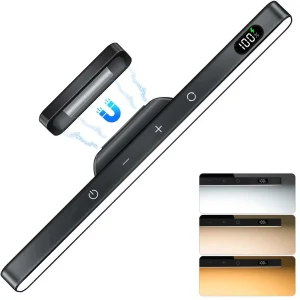
Equipped with high-performance lithium-ion cells (ranging from 1200mAh up to 2500mAh configurations), our light bars include protective circuits to prevent overcharging, over-discharging, and thermal runaways. By utilizing low standby current consumption (< 15μA in sleep mode), a single full charge can power the device for up to three months of standard sensor-driven operation. The transition to USB-C charging interfaces ensures faster charging times and structural compatibility with standard mobile charger blocks widely available in Libya.
3. Light Distribution & Color Rendering (CRI > 90)
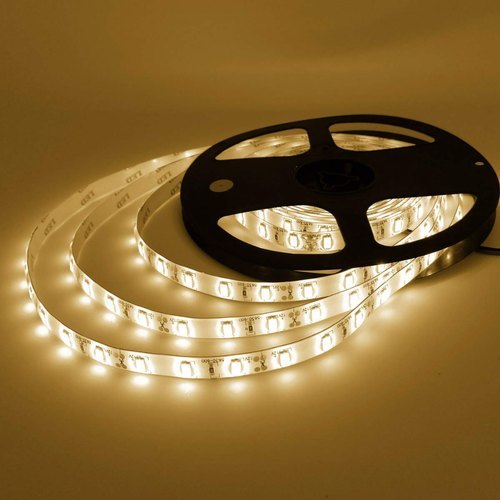
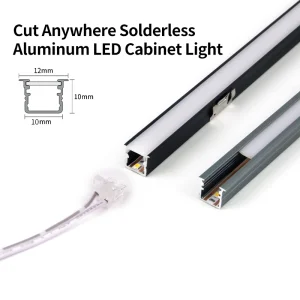
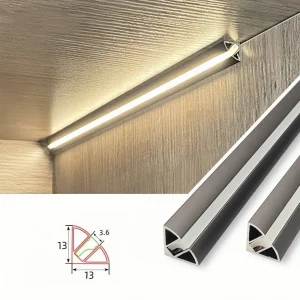
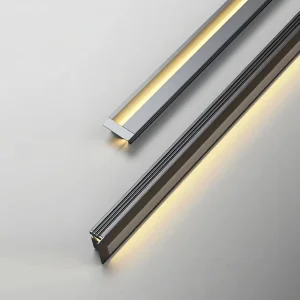
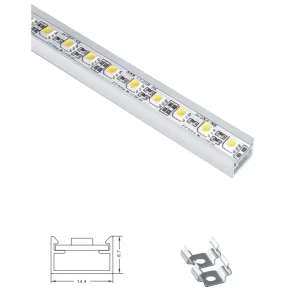
For modern residential kitchens, commercial laboratory environments, and retail storefront displays in Tripoli and Benghazi, standard cold-blue LED arrays are insufficient. Our architectural profiles utilize diffuse PMMA covers to eliminate hot spots, delivering a uniform, glare-free beam profile. With high color fidelity (CRI Ra > 90), these fixtures reproduce true colors under cabinets, over kitchen countertops, and in retail display configurations.